In soil mechanics, the Soil Static Lateral Pressure coefficient (K0) is defined as the ratio of horizontal effective stress to vertical effective stress for a soil under conditions of zero lateral strain. The widely accepted Jaky’s formula (1944) states: K0 = 1 - sin(φ'), where φ' is the effective angle of internal friction.
For overconsolidated (OC) soils, the formula requires refinement. Manufacturers now utilize integrated sensors to calculate K0,OC = K0,NC * (OCR)^sin(φ'), providing an information gain that accounts for the geological stress history of the site, essential for deep foundation designs.
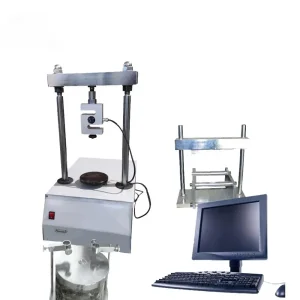
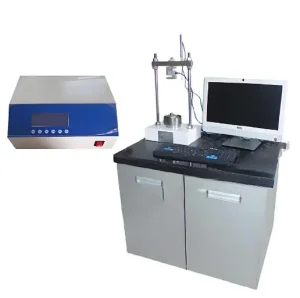
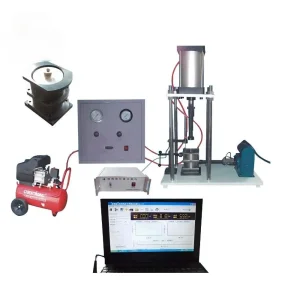
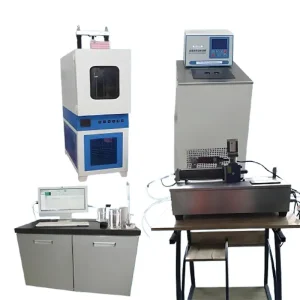
Modern geotechnical solutions by Xi'an Zealchon incorporate real-time data acquisition from triaxial and consolidation tests to dynamically solve for K0, reducing human error and enhancing the reliability of structural safety coefficients in highway and bridge engineering.
The global demand for high-accuracy soil testing equipment is surging, driven by mega-infrastructure projects in the Middle East, Southeast Asia, and North America. Procurement officers are no longer just looking for "machines"; they are seeking integrated technical solutions that offer:
Integration of LVDTs and pressure transducers with 0.1% accuracy to validate the Soil Static Lateral Pressure coefficient formula in real-world scenarios.
Meeting ASTM D4767, AASHTO T297, and BS 1377 standards is a non-negotiable requirement for international bidding and governmental projects.
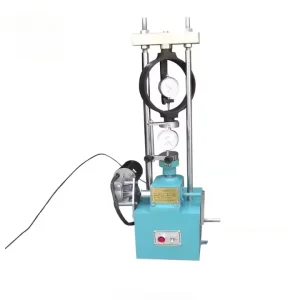
Transitioning from manual dial gauges to fully automated data logging systems that allow for 24/7 testing of soil creep and consolidation.
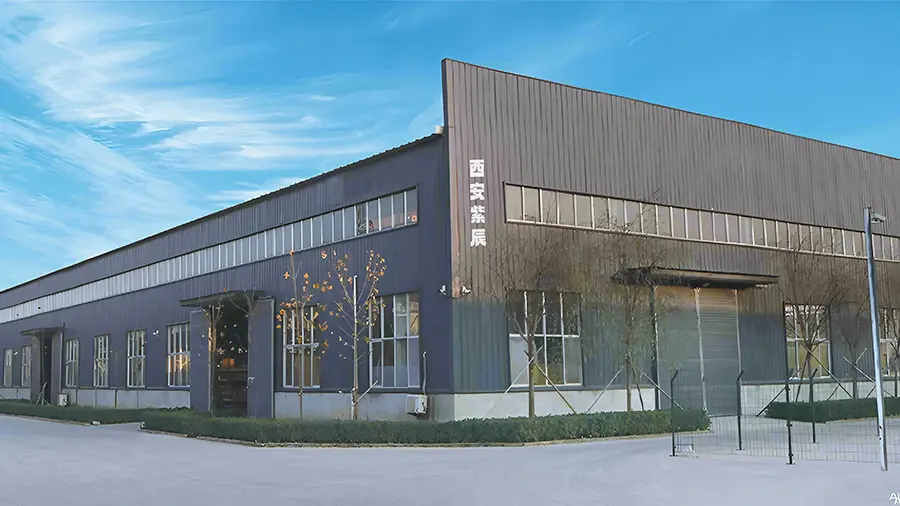
With more than 15 years of civil engineering background, located in the new technology industry development zone in Xi'an, an ancient city in China. It covers an area of 7500 square meters of building area.
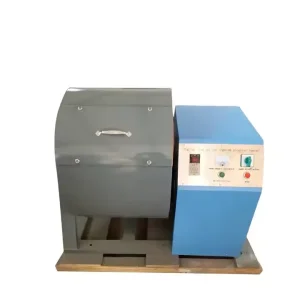
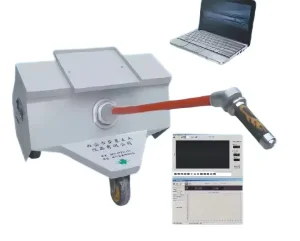
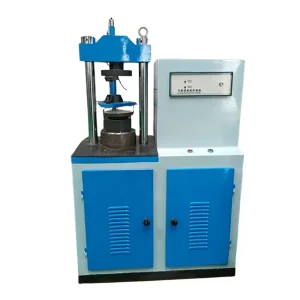
We manufacture and supply testing instruments for civil engineering, geological survey, water conservancy and hydropower, roads and bridges, highways, railways, and airports. We specialize in the production and sales of geotechnical testing instruments, asphalt and asphalt mixture testing instruments, cement and concrete testing instruments.
Zealchon is engaged in manufacturing and supplying a qualitative array of research and laboratory testing equipment. Zealchon specializes in civil engineering research and experimental apparatus; another focus is semiconductor laser research and development.
Replacement of analog measurement with high-resolution digital sensing and automated pressure control (APC) systems to stabilize lateral pressure coefficients during long-term testing.
Integration of cloud-based monitoring allowing geotechnical engineers to analyze K0 coefficients and shear stress distributions remotely from the laboratory to the site office.
Using Machine Learning algorithms to predict soil behavior under cyclic loading, utilizing historical data to refine the Soil Static Lateral Pressure coefficient formula for complex urban underground projects.
The production workshop has production equipment such as machining centers, CNC lathes, milling machines, planers, grinders, shearing machines, bending machines, electric welders, argon arc welders, etc.
Our research team is founded by personnel from Chang'an University, Xi'an Polytechnic University, and Xi'an Petroleum University, holding top-tier technology in this expertise.
Our products have won national, ministerial, and provincial awards, filling critical gaps in asphalt and geotechnical testing equipment both in China and abroad.
Our machines are used world-wide by government agencies, commercial testing laboratories, ready mix producers, contractors, and universities.
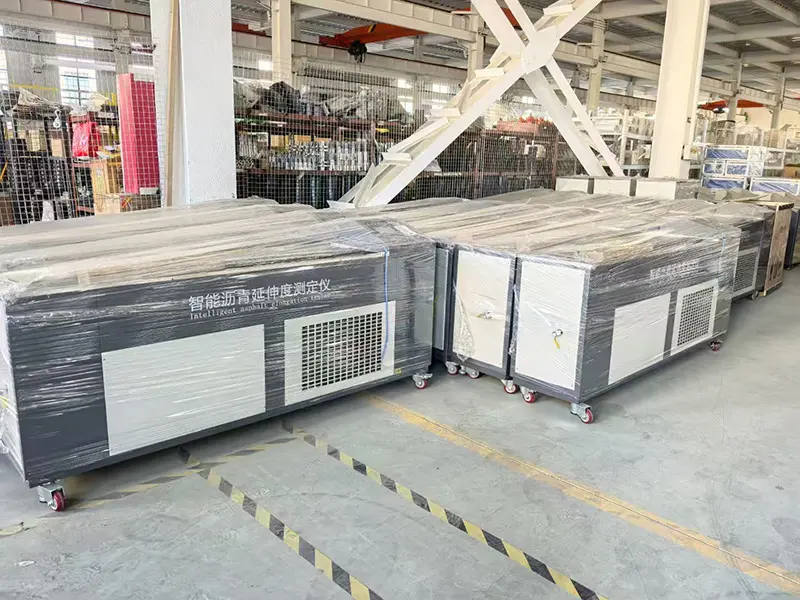
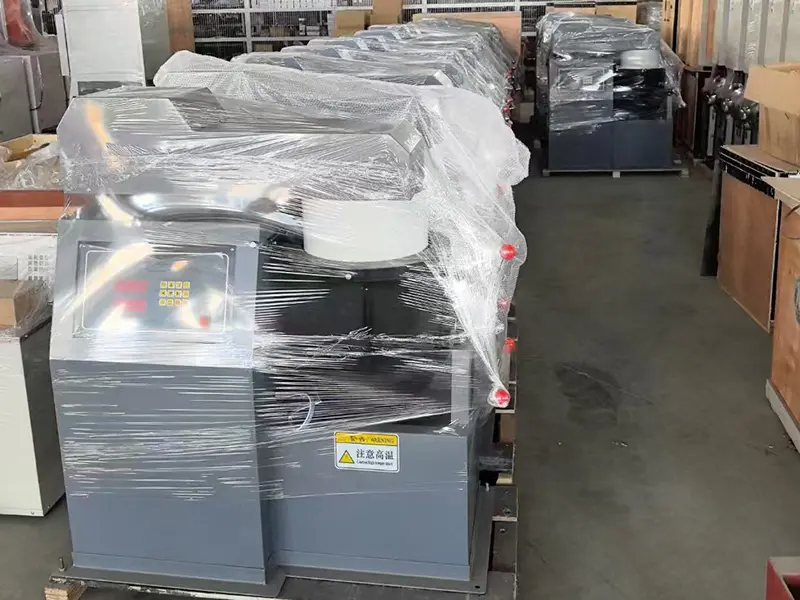
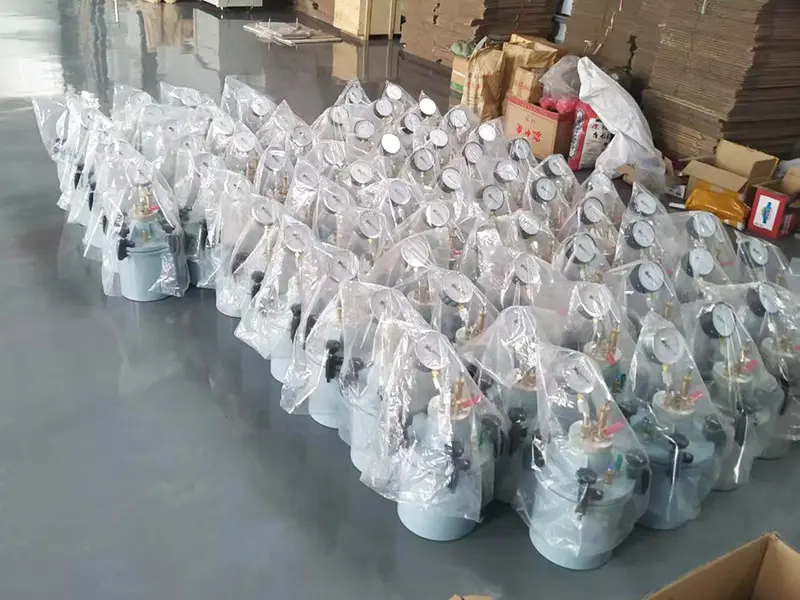
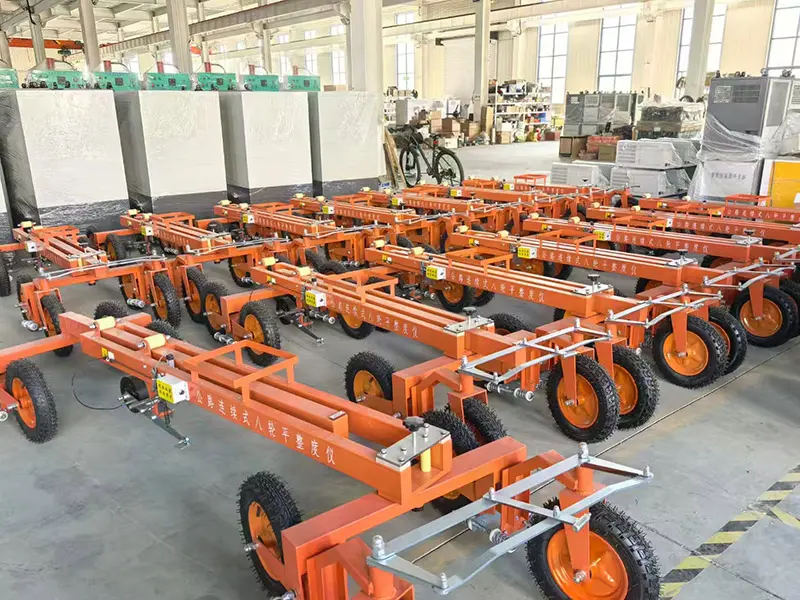
We provide localized technical support and training, ensuring that geotechnical laboratories in every time zone can maximize the efficiency of their testing cycles.
All instruments are calibrated to international standards, providing a "Quality First, Honesty First" guarantee that is essential for legal and safety compliance in construction.
By accurately calculating the Static Lateral Pressure, we enable engineers to optimize material usage, reducing the carbon footprint of deep foundation and retaining wall projects.
 Zealchon Electronic