OEM Laboratory Automatic Digital Shear Creep Testing Machine for Soil Supplier, Pricelist

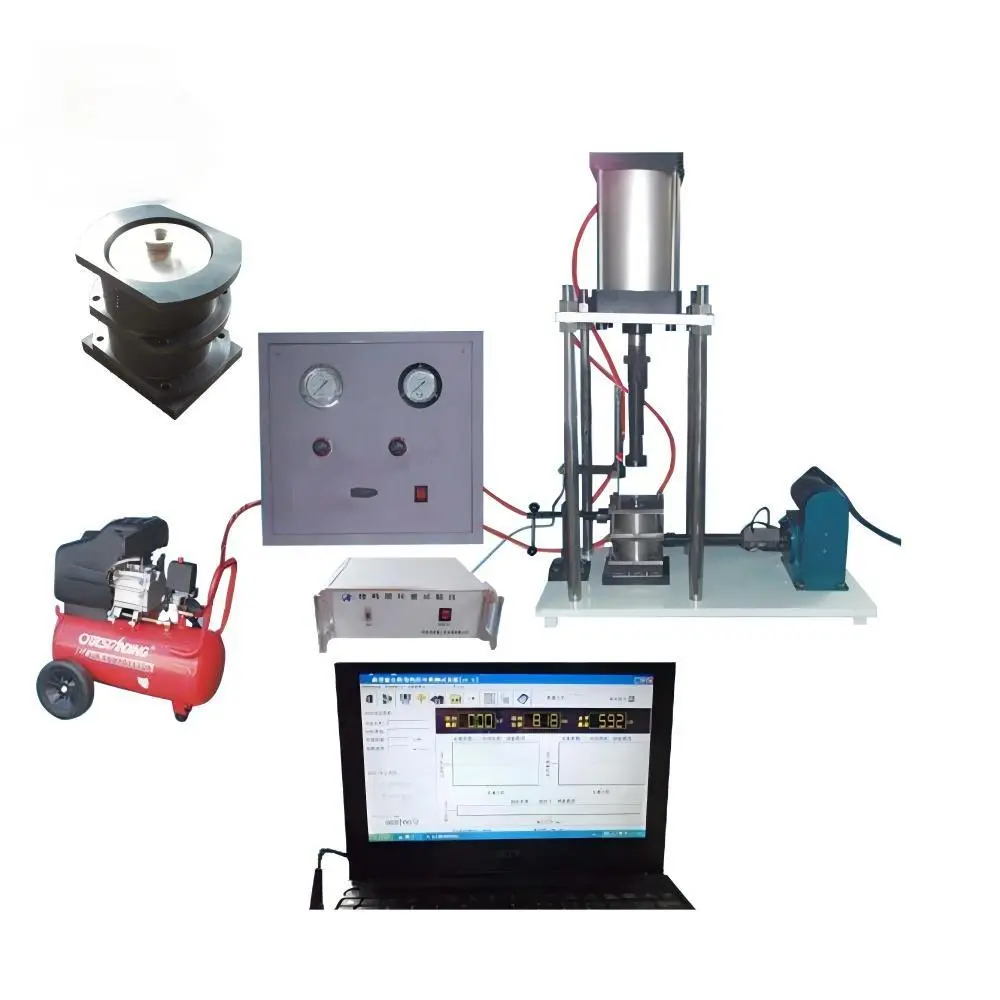
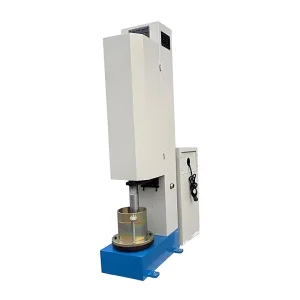
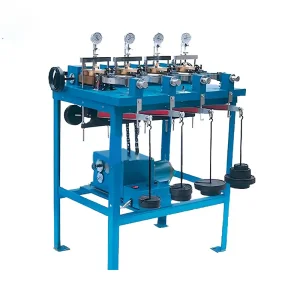
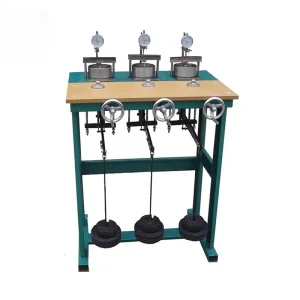
Soil shear creep tester is a specialized experimental equipment used to study the creep characteristics of soil under long-term shear stress. It simulates the shear deformation process of soil under constant load, measures parameters such as creep deformation, creep rate, and long-term strength of soil, and provides important data for stability analysis of geotechnical engineering (such as slopes, foundations, tunnels, etc.).

The rheological properties of soil are studied using the theoretical viewpoints and methods of elastic bodies (Hooke bodies), plastic bodies (Saint Venant bodies), and viscous bodies (Newtonian bodies) to investigate the stress-strain relationship of soil, which varies with temperature and time.

The fact that the shear strength of cohesive soil decreases over time due to creep effect is well known.

Product Description

Working Principle

1
Sample preparation
Fill the soil sample into the shear box according to the predetermined density and moisture content, which may be pre-consolidated.
2
Apply normal stress
Apply constant normal stress through a vertical loading system (simulating soil burial depth pressure).
3
Apply shear stress
Apply a constant shear stress (lower than the instantaneous shear strength) while keeping the normal stress constant.
4
Monitor creep deformation
Record the displacement of soil samples over time under shear stress. Curves are divided into attenuation, stability, and acceleration stages.
Testing Equipment Working Principle

Key Parameters

Creep Curve: A displacement-time relationship curve that reflects the rheological properties of soil.

Long-term Shear Strength: Determination of the critical creep stress threshold through multi-stage stress tests.

Creep Model Parameters: Fitting data for rheological models such as Burgers and Norton.

Application Scenarios

  • Evaluate deformation stability of soil under long-term loads (fill slopes, retaining walls).
  • Study engineering properties of rheological sensitive soils such as frozen soil and soft clay.
  • Provide soil rheological parameters for numerical simulations such as FLAC and Plaxis.

Test Method: ASTM D6467

Sample SizeΦ 61.8 × 40mm; Φ 61.8 × 20mm
Shear Force1.8KN ± 0.02%
Shear Deformation0-15mm ± 0.01mm
Consolidation Deformation0-10mm ± 0.01mm
Loading MethodPneumatic loading
Vertical Loading12.5KPa, 50KPa, 100KPa, 200KPa, 300KPa, 400KPa
Cutting Speed0.01-10mm infinite speed regulation
Shear Rate0.01KN/S to 10KN/S
Control MethodStress: 0-5000N constant force; Strain: 0.001-10mm
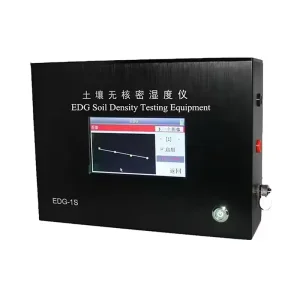
CompositionServo motor, sensors (force/deformation), pneumatic control, sample box, main frame, computer, software
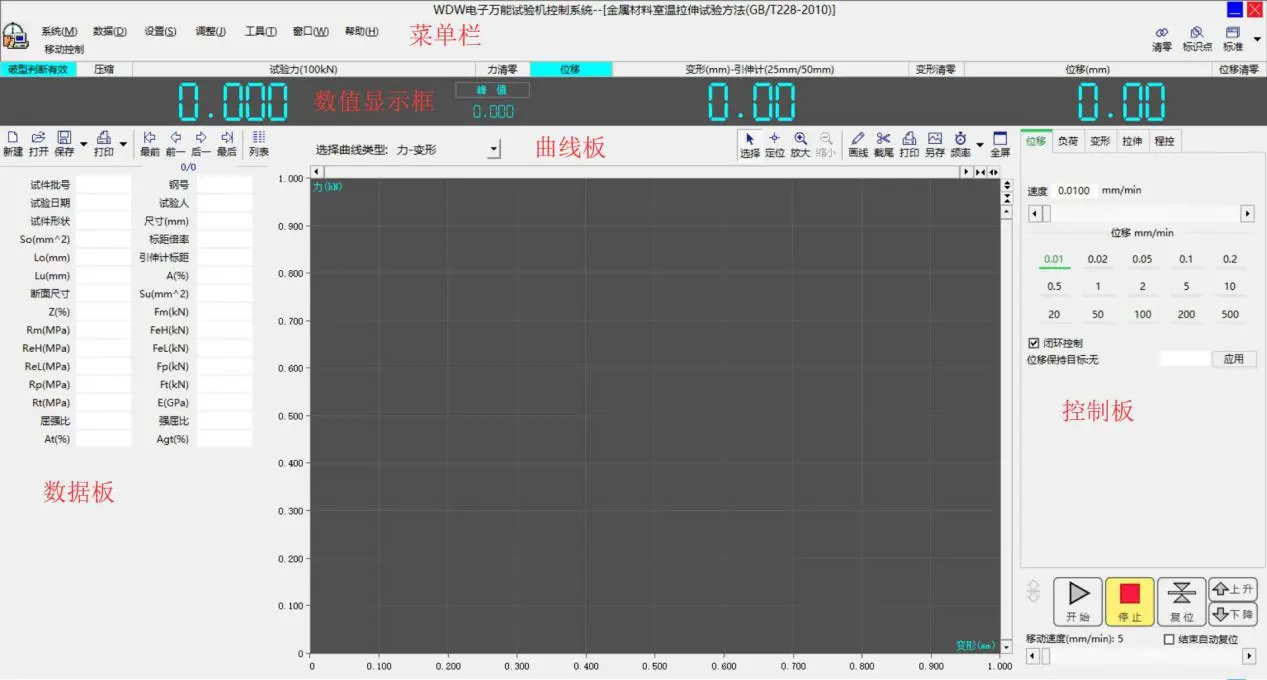
Data AcquisitionWindows-based system for real-time recording, automated stopping, and Excel export capability

Frequently Asked Questions

Q: What is the primary function of the Digital Shear Creep Testing Machine? A: It is designed to evaluate the long-term deformation and rheological properties of soil samples under constant shear and normal stress.
Q: Which international standard does this equipment follow? A: The machine is designed according to the ASTM D6467 standard for testing the shear strength of soil.
Q: What types of soil are best suited for this creep test? A: It is particularly useful for rheological sensitive soils such as soft clay, frozen soil, and soil used in fill slopes or retaining walls.
Q: How is the load applied during the testing process? A: The system utilizes pneumatic loading for vertical pressure and a high-precision servo motor for controlled shear application.
Q: Can the test results be used for professional engineering software? A: Yes, the data collected provides essential parameters for numerical simulation software like FLAC and Plaxis.
Q: Is the data collection process automated? A: Yes, the integrated computer software automatically collects, records, and stores data, which can be exported in Excel format.

Related Products