Wholesale Hand push type Pavement Walking Profilometer for International Roughness Index (IRI) Supplier, Pricelist

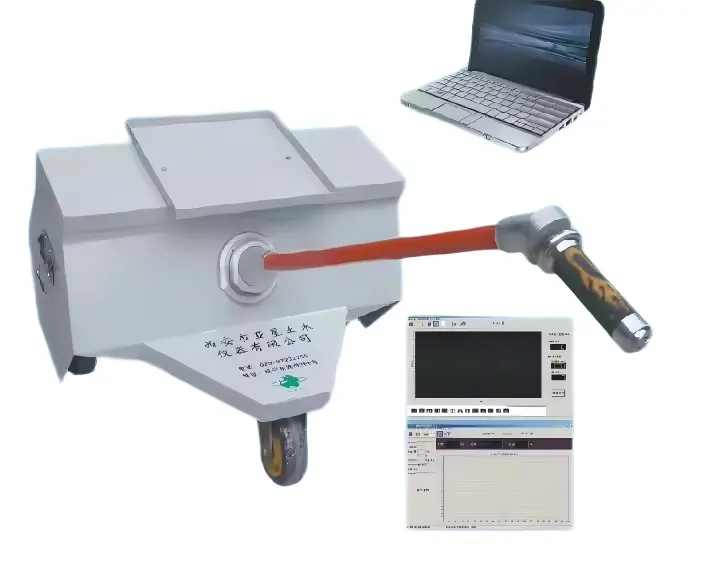
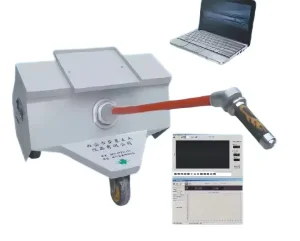
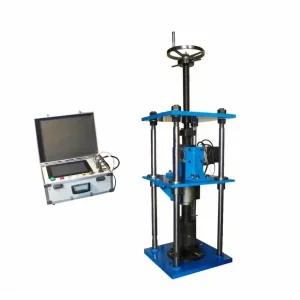
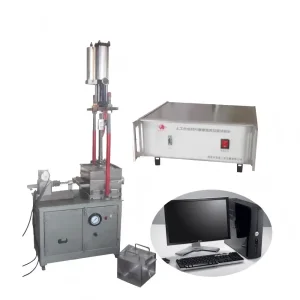
Hand pushed laser flatness meter is a portable road surface flatness detection device that uses laser ranging technology combined with inertial compensation system to measure the local flatness of pedestrian walkways, small roads, construction sections and other areas with high precision. Compared to vehicle mounted systems, it is more suitable for detecting low-speed, small range, or areas that are difficult for vehicle mounted devices to cover.
 
It can test quality acceptance of the building, rebuilding, pavement engineering and no serious potholes and rutting disease, and the road surface roughness without water, snow, mud and normal traffic detection.
 
Precision can be up to 0.01 mm, to measure the surface smoothness of the asphalt, the reliability of generating high speed transmission measurement data into the computer processed by special software,it also can output calculation table and waveform figure .
 
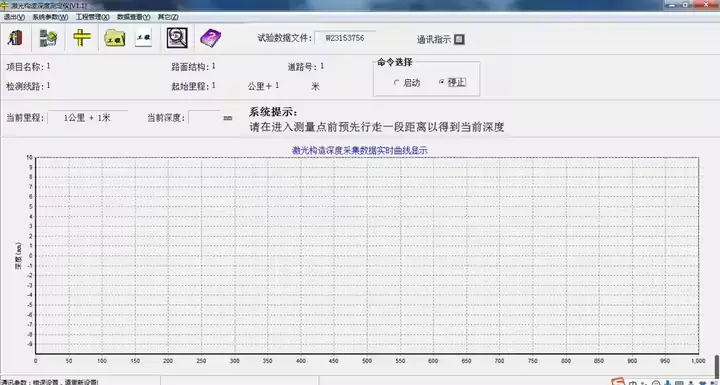
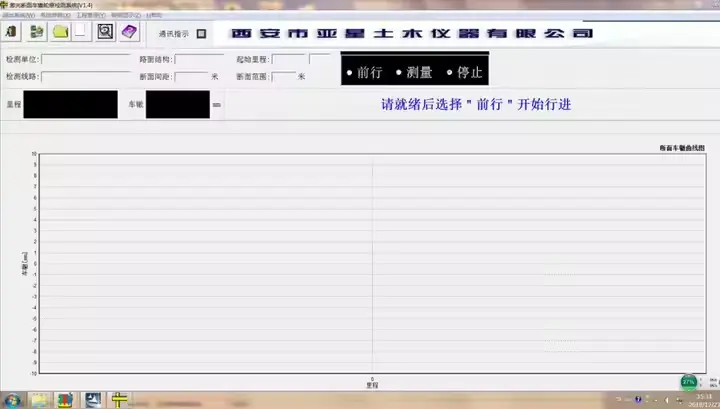
Laser flat instrument host computer program is application software mating road flat instrument host supporting, the software can run on Windows operating system, for data acquisition, storage, printing and data processing, calculation and generate reports and to facilitate further analysis.

Product Description

Working Principle

🛒

Manual Pushing

The operator pushes the equipment at a constant speed (usually 3-6km/h), and the laser sensor continuously collects road elevation data.

⚖️

Dynamic Compensation

IMU real-time corrects angle deviation caused by hand push shaking or uneven ground.

📊

Real Time Analysis

The built-in software automatically calculates the flatness index, and some devices can generate cross-sectional curve graphs or defect markers.

Core Advantages

🏃

Portable and flexible: lightweight (usually 10-30kg), suitable for inspection in narrow areas such as bridge joints and underground garages.

🎯

Ultra high precision: In static measurement mode, it can reach micrometer level and is suitable for laboratory or precision construction (such as high-speed rail track plates).

💰

Low cost: No need for vehicle modification, maintenance costs are lower than in car systems.

📱

Human computer interaction friendly: Some models support touch screen operation and on-site report generation.
Technical Parameters

Detection speed 20 km/h - 100 km/h
Continuous measurable distance > 50 km
Minimum sampling interval 10 mm
Sensor precision 0.1 mm
The number of operators 1-2 people
Operating temperature 0 ℃ to 50 ℃
System power supply DC 12 V
Laser sensor clearance 100 mm (testing)
Detection range: TRI 0-100 m (customizable)
Test repeatability Deviation factor: CV < 3%

Frequently Asked Questions

How does the device handle uneven manual pushing?
The system utilizes a built-in IMU for dynamic compensation, which corrects real-time angle deviations caused by hand shaking or ground irregularities.
Is the equipment suitable for indoor use?
Yes, its lightweight and portable design makes it ideal for narrow indoor areas such as underground garages and bridge joints.
What is the measurement precision of the sensors?
The sensors offer high precision with a 0.1 mm resolution, and can reach micrometer levels in static measurement modes.
What power source is required for operation?
The system operates on a DC 12 V power supply, ensuring stable performance during field inspections.
Can the software generate reports on-site?
Yes, the system supports user-friendly interaction and is capable of generating real-time flatness indices and sectional curve graphs on-site.
What is the recommended operating temperature range?
The equipment is designed to operate reliably in temperatures ranging from 0 ℃ to 50 ℃.

Related Products