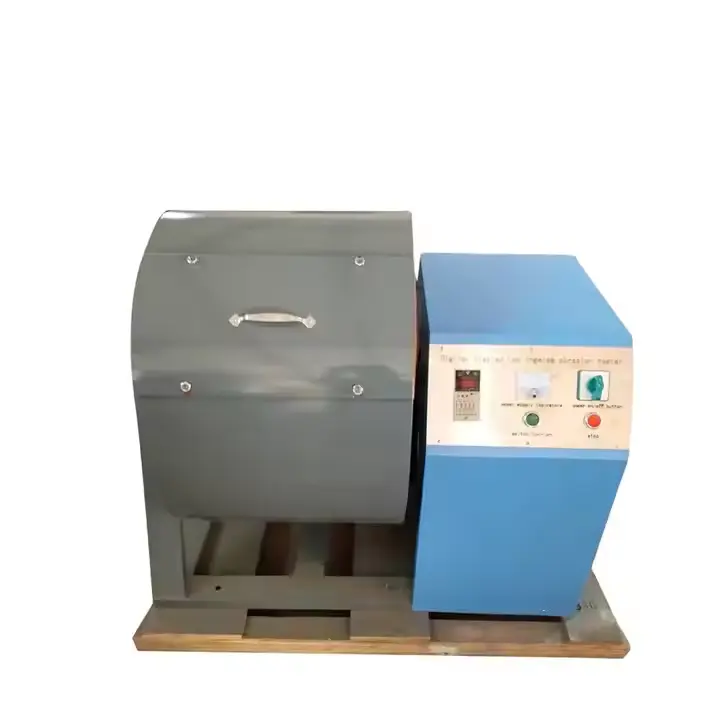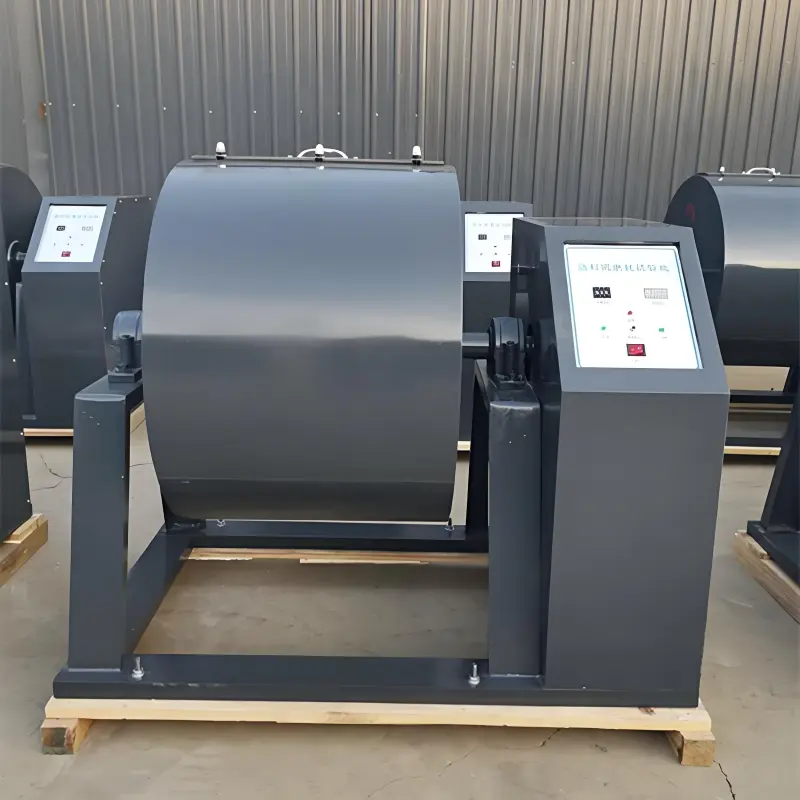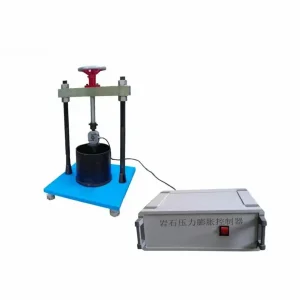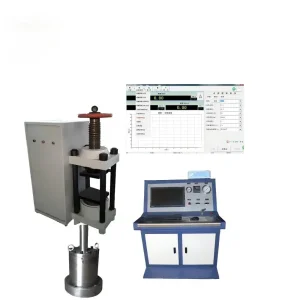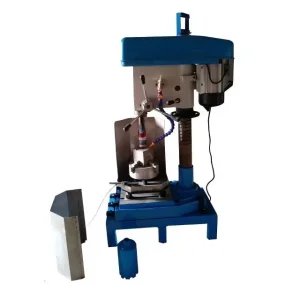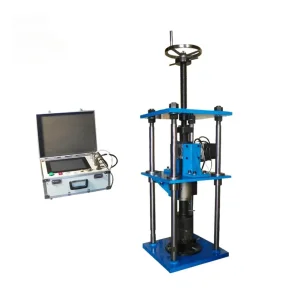
High-Quality Los Angeles Splitter Aggregate Abrasion Testing Machine Used To Crushed Rock, Gravel and Slag Suppliers, Quotes

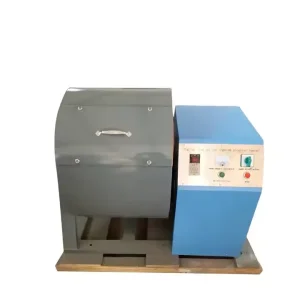
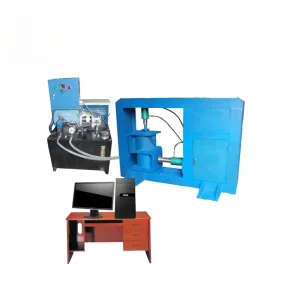
This device is used to measure the ability of coarse aggregate (sand) to resist friction and impact under standard conditions, expressed as wear loss (%).

The Los Angeles abrasion loss method is an important indicator of the performance of stone materials, especially closely related to the anti rutting ability, compressive strength, wear resistance, and durability of concrete, asphalt mixtures, and base stone materials.


Generally, aggregates with low wear loss are hard and have good wear resistance and durability. However, stone materials with high content of weak particles and severe weathering undergo severe abrasion testing and crushing. The Los Angeles abrasion tester is an important means of testing stone materials.

Product Description

!

Technical Parameter

Voltage: 380V ± 5V. Automatic working time setting: 0-9999 minutes.
Sample cylinder (optional): Inner diameter 710mm ± 5mm, inner length 510mm ± 5mm; OR Inner diameter 305mm ± 5mm x inner length 305mm ± 5mm. Closed at both ends, equipped with a steel cover for the feeding port, sealed with fastening bolts and rubber pads.
Sample cylinder rotation rate: 30r/min to 33r/min.
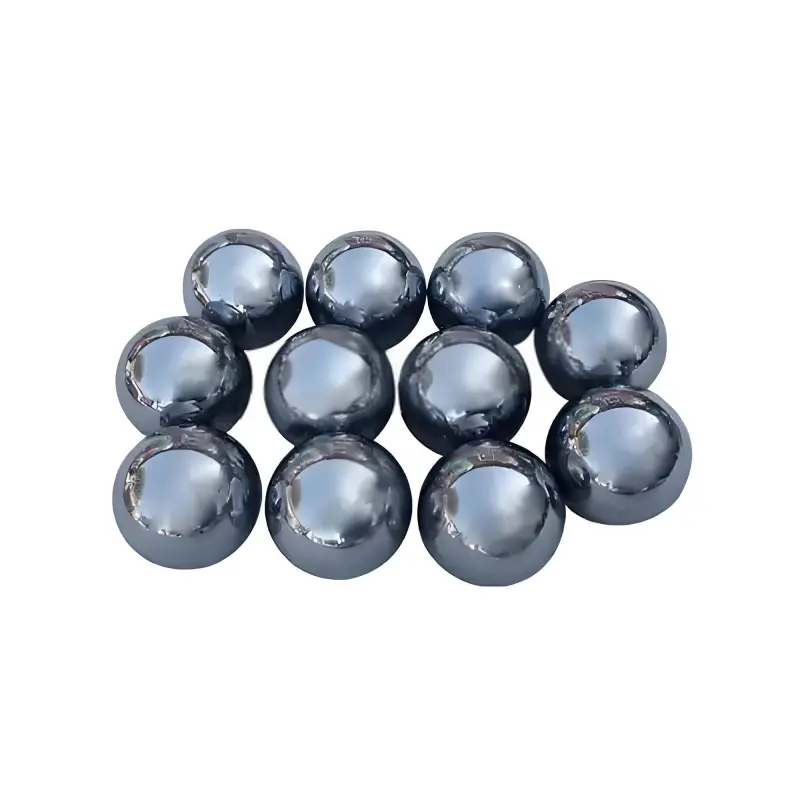
Steel ball: Diameter of approximately 46.8mm and a mass ranging from 390g to 445g. Various sizes are assembled to meet the specific total mass requirements.
Total Mass: According to the composition of coarse aggregate particle size, the total mass of test wear balls (6, 8, 11, 12) is 5000g ± 25g.
Detailed Technical View 1
Detailed Technical View 2
Detailed Technical View 3
?

Frequently Asked Questions

Q1: What is the standard operating voltage for this equipment?

The equipment operates on a voltage of 380V ± 5V.

Q2: Can the working time be adjusted automatically?

Yes, it features an automatic working time setting that can be adjusted from 0 to 9999 minutes.

Q3: What are the size options for the sample cylinder?

There are two options: a larger cylinder (710mm x 510mm) and a smaller cylinder (305mm x 305mm), both with precise tolerances.

Q4: What is the rotation speed of the cylinder during testing?

The rotation rate is maintained between 30r/min and 33r/min for consistent testing results.

Q5: How are the steel balls specified for the wear test?

The balls have a diameter of approximately 46.8mm. They are selected with masses between 390g and 445g to achieve a total required mass of 5000g ± 25g.

Q6: How is the feeding port secured to prevent leakage?

The feeding port is equipped with a robust steel cover and is sealed using fastening bolts and high-quality rubber pads.
Related Products