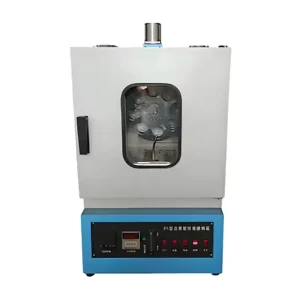
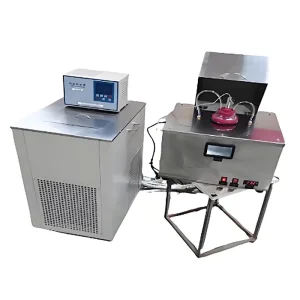
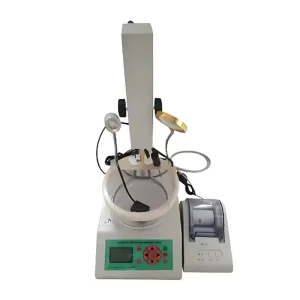
Main Structure
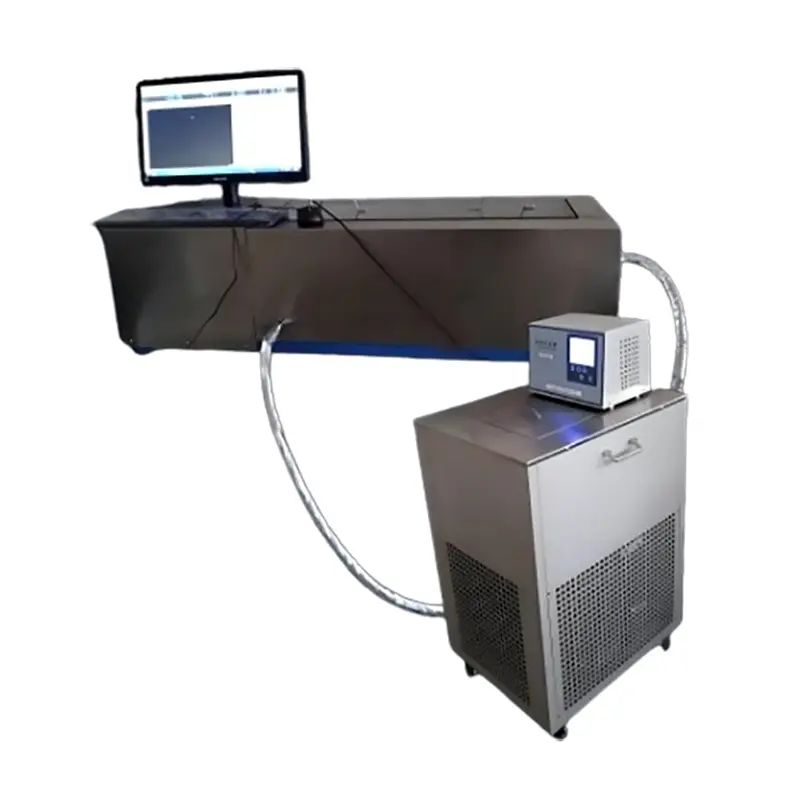
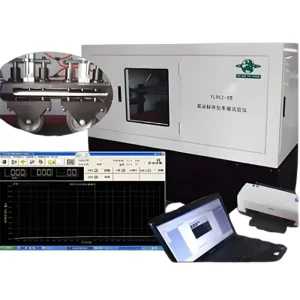
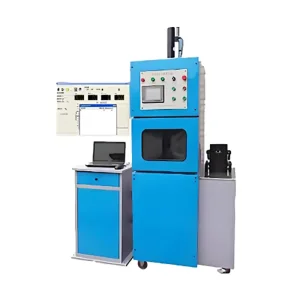
1. Host: Including servo loading mechanism, used to apply tension to the sample.
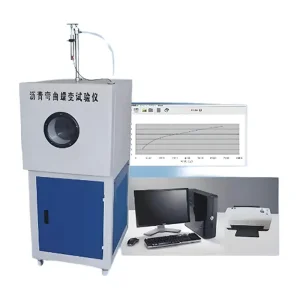
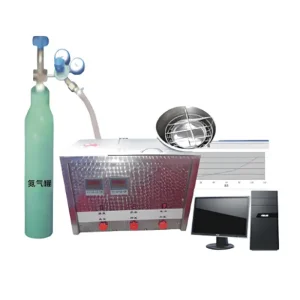
2. Thermostatic water bath: Used to maintain a constant temperature of the sample during testing, typically ranging from -40 °C to room temperature.
3. Control and data acquisition system: Microcomputer control technology with high-precision sensors for real-time data collection.
4. Touch controller: Large screen touch LCD display controller for independent experiments or computer connection.
5. Force and displacement sensors: High precision force sensors and LVDT displacement sensors for precise measurement.
6. Refrigeration cycle unit: External circulation structure to maintain low temperatures while reducing vibration.
Main Features
High Automation: Fully automated experimental process, data collection, and analysis via microcomputer control.
High Precision: Tension accuracy up to ± 1.0%; displacement measurement accuracy up to ± 0.1 mm.
Accurate Temp Control: Dual compressor stacked combination ensures accuracy up to ± 0.1 °C.
Data Processing: Real-time display and storage; supports interaction with software like Microsoft Excel.
Application Area & Instrument Structure
The Asphalt Direct Tensile Determination is widely used in asphalt production enterprises, highway pavement construction, testing units, research institutes, and universities to evaluate low-temperature fracture performance.
The machine features computer control, automatic acquisition, and software processing for real-time graphics display and data export. It is equipped with a circulating cold source and special tensile fixtures.
System Specifications
● Loading system: Double-column loading frame with precise motor actuator and load sensors for stable tensile force.
● Temperature control system: Range from -40 °C to 80 °C, including temperature box, refrigeration unit, and heating devices.
● Measurement and CDAS: 8-channel control and data acquisition system (CDAS) monitors load and displacement in real time.
Key Parameters
- Fracture strength (MPa): Reflects material tensile strength.
- Failure strain (%): Indicates ductility and crack resistance.
- Stiffness modulus (MPa): Evaluates material stiffness.
Application Scenarios
- Material R&D (SBS, rubber modifiers).
- Pavement design and climate adaptation.
- Quality inspection and PG grading.
Main Technical Parameters
| Parameter Item |
Specification Details |
| 1. Tensile load |
0~1000N ±0.1% accuracy; 0.3%FS constant force |
| 2. Tensile speed |
0.01~100mm/min adjustable constant speed |
| 3. Elongation deformation |
0~400mm ±1um constant displacement |
| 4. Tensile stroke |
0~470mm (measuring range) |
| 5. Tensile end pendant |
40 × 40mm |
| 6. Test piece |
80 × 6.35mm (100mm) |
| 7. Environmental chamber |
-40 °C ~ 100 °C (Adjustable ±0.1 °C), programmable cycles |
| 8. Control mode |
Pulse servo control |
| 9. Additional Functions |
Fault self-check, test data correction function |
Frequently Asked Questions
Q1: What is the primary purpose of the Asphalt Direct Tensile Tester?
It is primarily used to evaluate the low-temperature fracture performance and ductility of asphalt materials, which is crucial for pavement durability in cold climates.
Q2: What temperature range does the environmental chamber support?
The chamber typically operates from -40 °C up to 100 °C, with a high precision control of ±0.1 °C to ensure stable testing environments.
Q3: How is the data collected and processed?
The system uses an 8-channel Control and Data Acquisition System (CDAS) that collects real-time load and displacement data, which can be exported to Microsoft Excel for further analysis.
Q4: Can this machine be used for modified asphalt like SBS?
Yes, it is ideal for R&D to compare the performance of different modifiers such as SBS and rubber in asphalt mixtures.
Q5: What safety features are included in the instrument?
The machine is equipped with limit switches and overload protection devices to prevent damage to the sensors and ensure the safety of the operator.
Q6: Is the tensile speed adjustable?
Yes, the tensile speed is fully adjustable within the range of 0.01 to 100 mm/min to accommodate different testing standards and research requirements.
 Zealchon Electronic