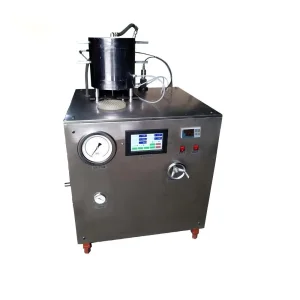
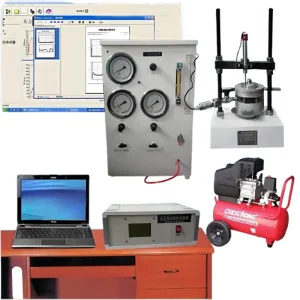
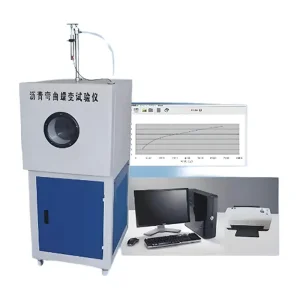
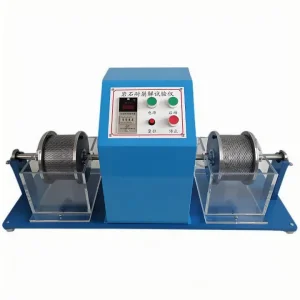
Introduction to Dispersive Clays: Dispersive clays are a unique category of soils that are highly susceptible to internal erosion through a process known as "piping." Unlike traditional erosive processes driven by high-velocity surface water, dispersive clays fail at the microscopic level due to the electrochemical repulsion between soil particles. This phenomenon occurs even in relatively still water, making it a "hidden killer" for earth dams, canal linings, and road embankments.
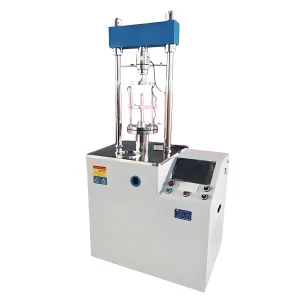
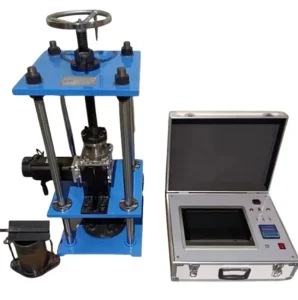
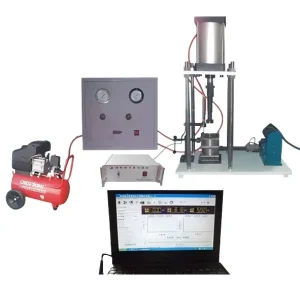
The Pinhole Test (standardized under ASTM D4647) is the most definitive physical test for identifying the erodibility of these soils. By simulating the flow of water through a 1mm hole in a compacted soil specimen, engineers can observe whether the water remains clear or becomes turbid with suspended clay particles, providing a direct measurement of "dispersivity."
In regions such as Australia, South Africa, and the Southern United States, dispersive clays represent a multi-billion dollar risk factor. Infrastructure projects require rigorous testing to prevent catastrophic failures like the Teton Dam collapse. Our wholesale supply chain provides laboratories worldwide with the precision instrumentation needed to mitigate these risks effectively.
The industry is moving toward "Digital Pinhole Analysis." Future iterations of our testing equipment will incorporate high-resolution optical sensors to measure turbidity in real-time, eliminating human error in visual grading and providing data-driven "erodibility indices" that can be fed directly into BIM (Building Information Modeling) software.
Whether it's for local irrigation canals in arid regions or high-speed rail embankments crossing clay-rich plains, the Pinhole Test determines if local soils can be used or if expensive chemical stabilization (like lime or gypsum treatment) is required.
Years Industry Experience
Production Facility
Standard Compliance
Global Export Markets
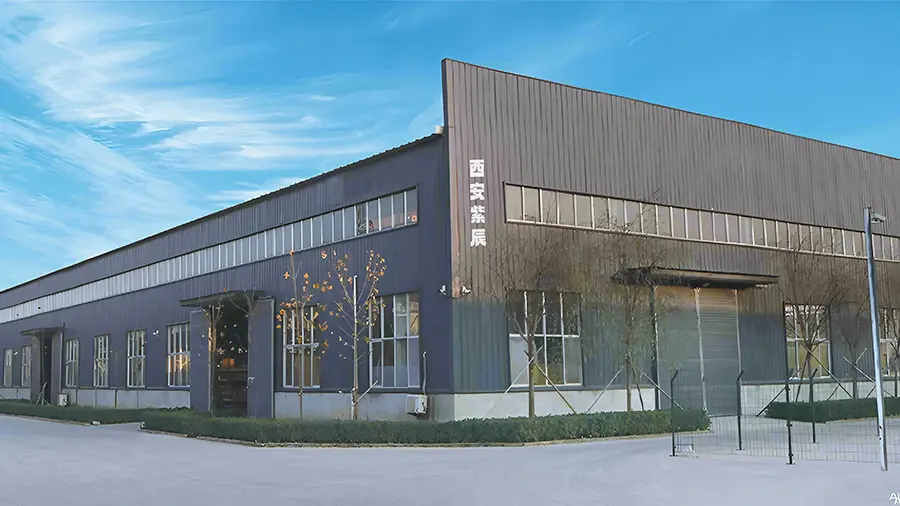
Xi'an Zealchon Electronic Technology Co., Ltd. is a leading manufacturer with over 15 years of civil engineering background. Located in the high-tech industry development zone of Xi'an, we bridge the gap between ancient engineering wisdom and modern technological precision.
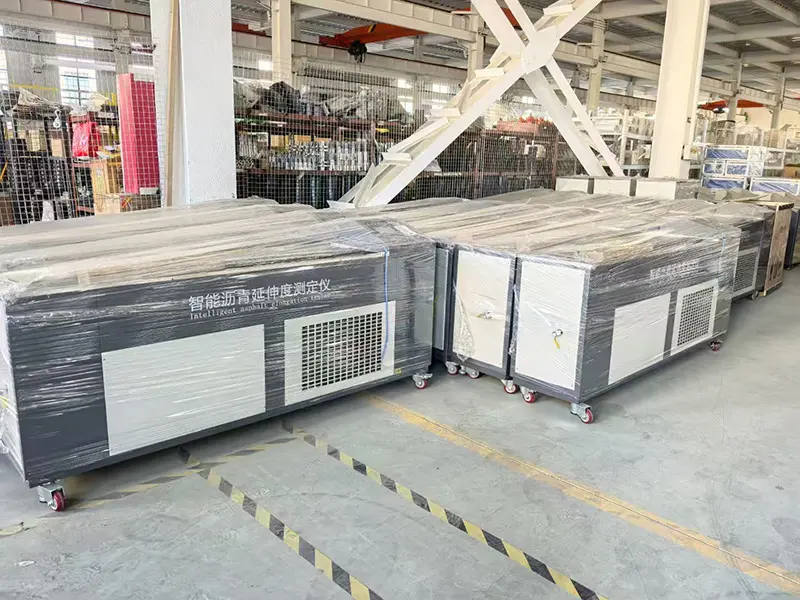
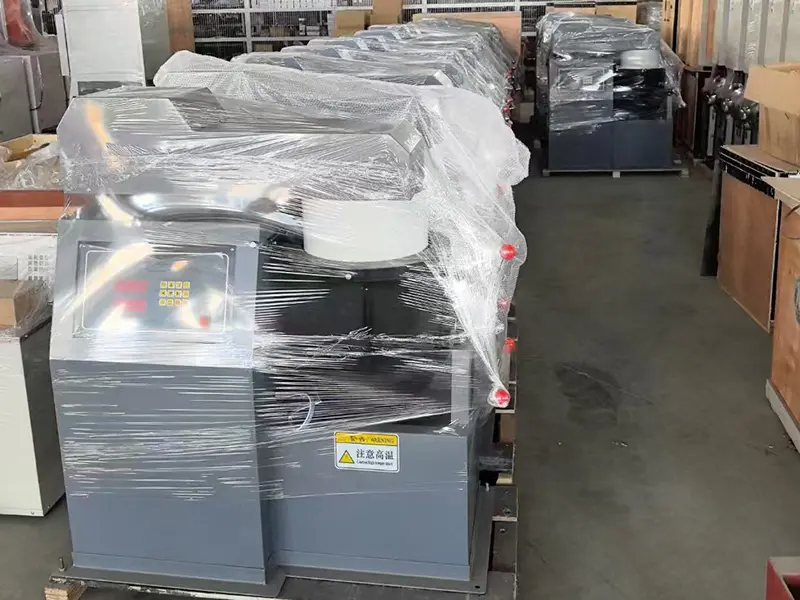
Our production workshop is a hub of precision engineering, featuring CNC lathes, machining centers, and advanced welding technology. Under the guidance of professors from Chang'an University and the Air Force Engineering University, we have developed the "Xiya" trademark—a symbol of quality in Shaanxi Province.
The management of dispersive soils is not merely a laboratory challenge but a macro-economic necessity. As global climate change leads to more frequent and intense rainfall events, the hydraulic pressure on existing earth structures increases. This has led to a renewed focus on Advanced Soil Stabilization Strategies. Current industry trends emphasize the integration of "Smart Testing" where the Pinhole Test is the primary diagnostic tool in a broader suite of tests, including the Crumb Test and Double Hydrometer analysis.
Our technical roadmap focuses on Automation and IoT integration. We envision a future where Pinhole Test results are automatically uploaded to a cloud-based repository, allowing geotechnical engineers to compare data across different geographic zones instantly. This "Big Data" approach to soil mechanics will revolutionize how we predict dam failures and design remedial measures.
Furthermore, the move toward sustainable infrastructure is driving research into bio-polymers and eco-friendly soil stabilizers. Testing these new materials requires high-precision instrumentation that can detect subtle changes in erosivity, a niche where Zealchon’s specialized equipment excels.
 Zealchon Electronic