Industry-Leading Civil Engineering & Soil Mechanics Apparatus
Comprehensive Analysis of OEM Proctor Compaction Test Calculations & Methodologies
In the realm of geotechnical engineering, the Proctor compaction test stands as a foundational pillar. Whether constructing high-speed rail embankments, airport runways, or residential foundations, understanding the relationship between moisture content and dry density is paramount. As a leading OEM Proctor Compaction Test Calculations Manufacturer & Supplier, we recognize that precision in these calculations isn't just a laboratory requirement—it's a safety imperative.
The Proctor test, named after Ralph R. Proctor who developed it in 1933, determines the maximum dry density (MDD) a soil type can reach under a specific compactive effort. The OEM Proctor Compaction Test Calculations involve a series of rigorous steps to plot the compaction curve, identifying the Optimum Moisture Content (OMC).
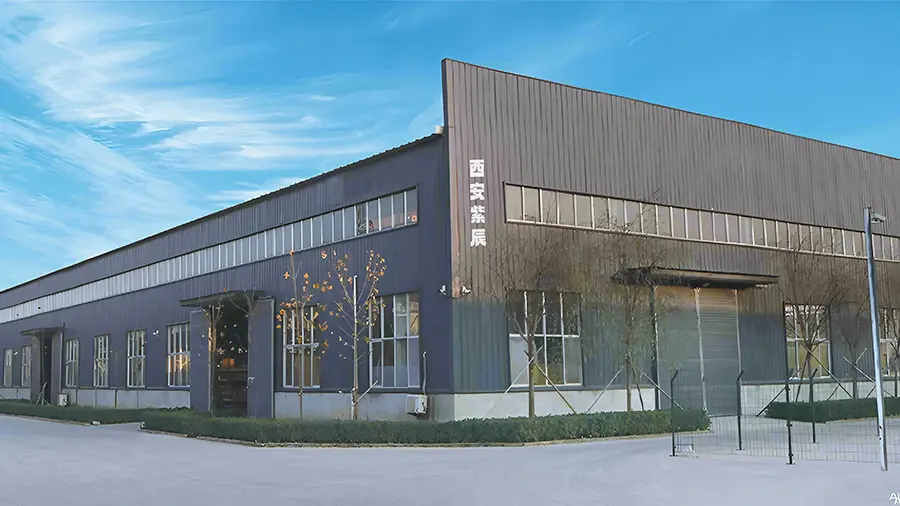
The global demand for high-precision soil testing equipment has surged, driven by massive infrastructure projects in the Asia-Pacific and MENA regions. Modern civil engineering demands OEM solutions that integrate digital sensors and automated calculation software to eliminate human error. In the current industrial landscape, the accuracy of Proctor calculations directly influences the cost-efficiency of earthworks. Over-compaction leads to unnecessary energy expenditure, while under-compaction can result in catastrophic structural failures costing millions in litigation and repairs.
To achieve E-E-A-T (Experience, Expertise, Authoritativeness, and Trustworthiness) standards, laboratory technicians must adhere to ASTM D698 (Standard Proctor) or ASTM D1557 (Modified Proctor). The primary calculations include:
Compliance with ISO/ASTM standards for global laboratory interoperability.
Transitioning from manual hammers to automated Proctor rammers with integrated data logging.
Real-time data transmission from field labs to centralized engineering hubs.
Predictive modeling of soil behavior based on historical compaction data sets.
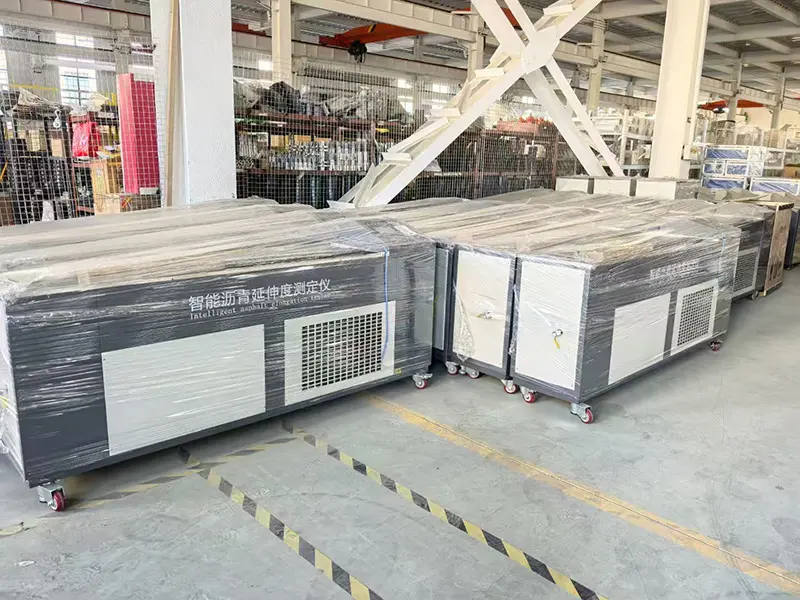
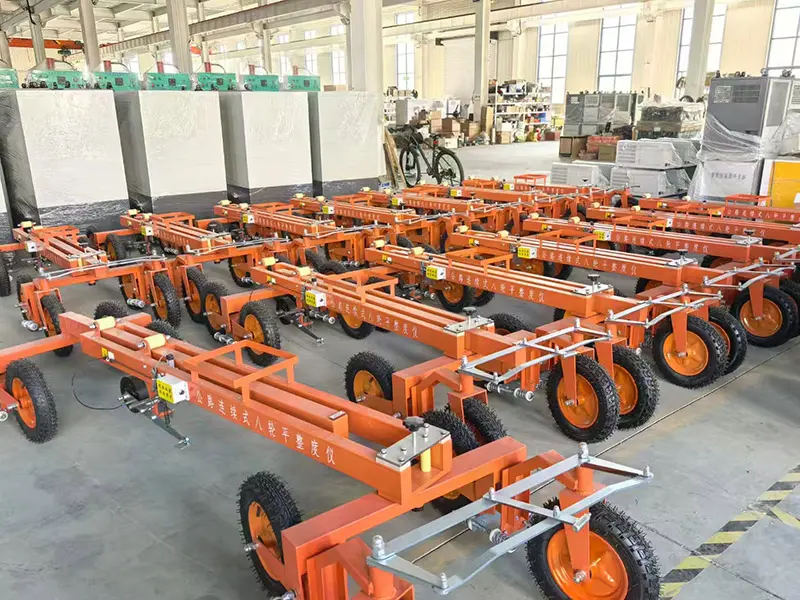
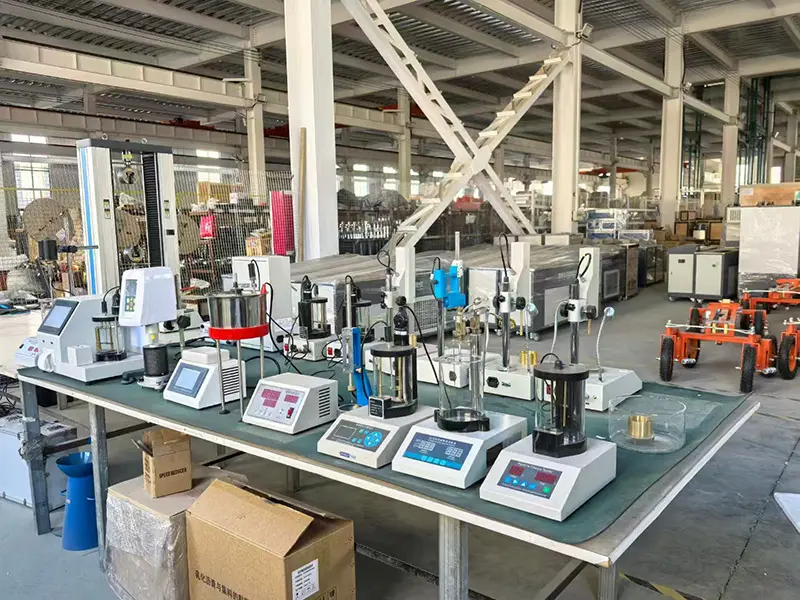
With more than 15 years of civil engineering background, located in the new technology industry development zone in Xi'an, an ancient city in China. It covers an area of 7500 square meters of building area. We manufacture and supply testing instruments for civil engineering, geological survey, water conservancy and hydropower, roads and bridges, highways, railways, and airports.
Zealchon is engaged in manufacturing and supplying a qualitative array of research and laboratory testing equipment. Zealchon specializes in civil engineering research and experimental apparatus; another focus is semiconductor laser research and development.
Innovation and Excellence in Geotechnical Instrumentation
The "Xiya" trademark was rated as a trademark of Shaanxi Province, reflecting our deep roots and trusted reputation.
Developed under the guidance of professors from Chang'an University and Xi'an University of Technology, filling gaps in specialized instrument technology.
Our machines are used worldwide by government agencies, commercial testing laboratories, and contractors in over 50 countries.
Our research has accomplished leading domestic standards, winning national, ministerial, and provincial awards for asphalt and soil testing equipment.
Years Experience
Production Base
Core Products
Quality Guarantee
The Proctor Compaction Test varies slightly by region. In North America, ASTM standards dominate, while in Europe, EN 13286-2 is the benchmark. In China, JTJ 051-93 is vital for highway engineering. As a global supplier, Zealchon provides equipment with localized software interfaces, ensuring that OEM Proctor Compaction Test Calculations are automatically adjusted for regional units (metric vs. imperial) and specific gravitational constants.
The industry is moving towards "Smart Compaction." Future developments include:
Addressing Frequent Challenges in Proctor Compaction Calculations
Bulk density includes the weight of water, which is variable. Dry density measures the solid soil particles per unit volume, providing a consistent metric for soil strength regardless of temporary moisture fluctuations.
Our automated systems use high-precision load cells and displacement transducers. The integrated software performs the dry density and moisture content calculations in real-time, plotting the curve automatically and removing the risk of manual entry errors.
The Modified Proctor test (ASTM D1557) uses a heavier rammer and a greater drop height, applying roughly 4.5 times the compactive energy of the Standard test (ASTM D698). This is used for projects like airport runways that face higher loads.
Reliable Solutions for Global Infrastructure Projects
Commitment to Quality, Innovation, and Customer Success
The company keeps up with the pace of national, ministerial, and industry standards, deeply trusted by user units globally.
Adhering to "people-oriented, unity and cooperation, pursuit of excellence," ensuring quality first and honesty.
Three guarantees for all products sold. We provide craftsman spirit and professional services to all our clients.
Our dedicated teams in China provide comprehensive customer support, marketing, and web services for seamless collaboration.
 Zealchon Electronic