 Zealchon Electronic
1 / 1
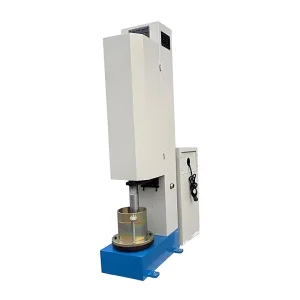
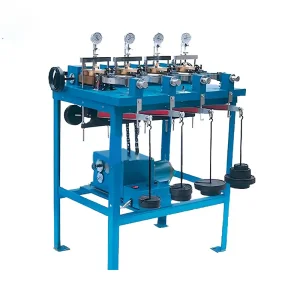
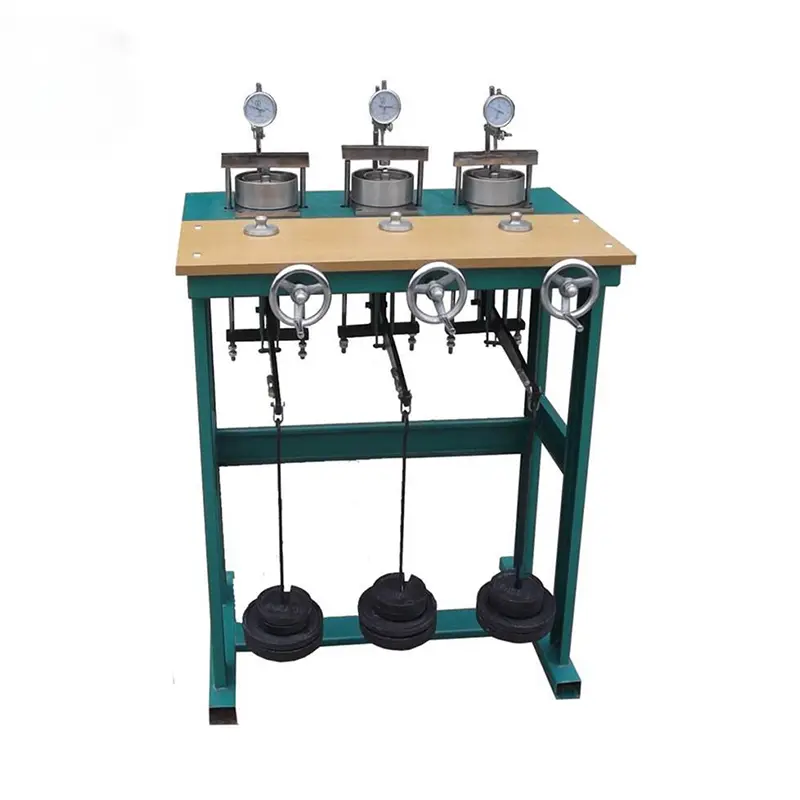
The soil four link consolidation instrument is primarily utilized to determine the consolidation characteristics of soil under various loads, including:
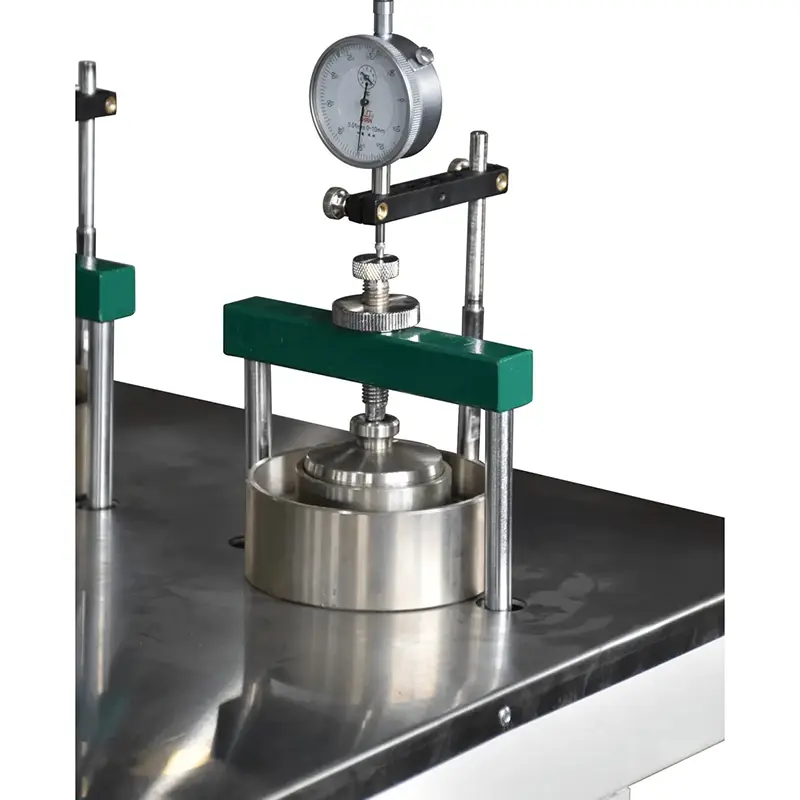
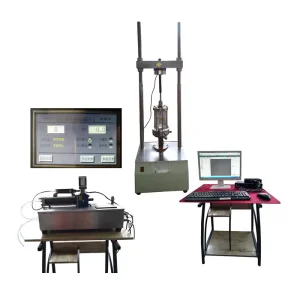
During the experiment, the soil sample is placed in a precision consolidation container. A controlled load is applied through a specialized loading system. The consolidation consolidometer system automatically records deformation and pressure changes, while the data acquisition system saves all real-time data for analysis. The control system ensures experimental conditions remain consistent throughout the process.
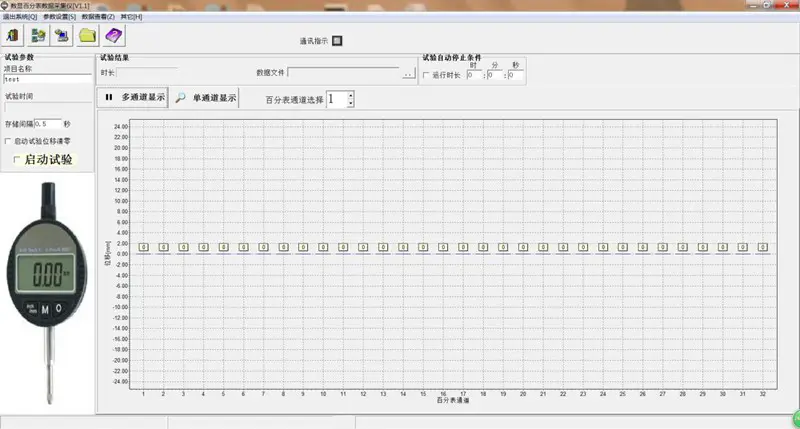
Utilizing modern electronic digital technology, the geotechnical test data processing and acquisition system software automatically collects, records, and stores test data in real time. This eliminates manual reading errors and significantly improves work efficiency compared to traditional instruments.
The system determines deformation and pressure under lateral and axial drainage conditions. It calculates critical values including the compression coefficient, rebound index, compression modulus, and pre-consolidation pressure based on engineering requirements. The triple-form design allows for three sets of tests to be performed simultaneously, optimizing lab throughput.

| Parameters | Details |
|---|---|
| Sample Area | 30cm² / 50cm² |
| Lever Ratio | 1:12 |
| Vertical Load (30cm²) | 12.5, 25, 50, 100, 200, 300, 400, 800 kPa (Eight levels) |
| Vertical Load (50cm²) | 12.5, 25, 50, 100, 200, 300, 400 kPa (Seven levels) |
| Vertical Deformation | Dial gauge 0-10mm, precision 0.01mm (Three pieces optional) |
| Dimensions | 650 x 500 x 900mm |
| Parameters | Details |
|---|---|
| Sample Area | 30cm² / 50cm² |
| Lever Ratio | 24:1 (30cm²) / 20:1 (50cm²) |
| Loading Form | Weight loading |
| Maximum Pressure | 4000 kPa (30cm²) 11 loading / 2000 kPa (50cm²) 10 loading |
| Pressure Range | 12.5 kPa ~ 4000 kPa |
| Dimensions | Steel structure: 820 x 820 x 1240mm |
It is used to determine the consolidation characteristics of soil samples, specifically measuring the consolidation coefficient, compression index, and permeability coefficient under applied loads.
The triple-form design allows the machine to perform three independent sets of tests simultaneously, which significantly increases productivity and ensures consistency across multiple samples.
The electronic digital system automatically records vertical displacement and force values in real time. This eliminates the need for manual monitoring, reduces human error, and facilitates easier data storage and analysis.
Yes, the instrument is designed to accommodate standard sample areas of both 30cm² and 50cm², with specific loading levels tailored for each size.
The high-pressure consolidation instrument can reach a maximum pressure of 4000 kPa for 30cm² samples and 2000 kPa for 50cm² samples, with a pressure range starting from 12.5 kPa.
Yes, the leverage ratio (1:12 for medium and up to 24:1 for high pressure) amplifies the applied force, allowing for significant pressure with fewer weights, thereby reducing manual labor intensity.