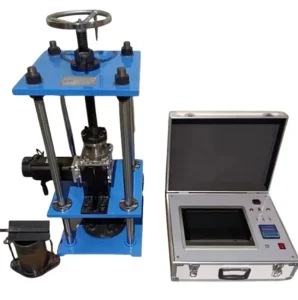
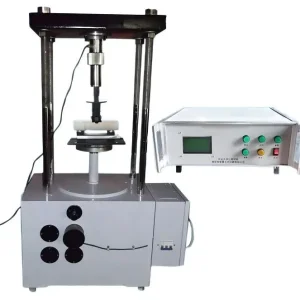
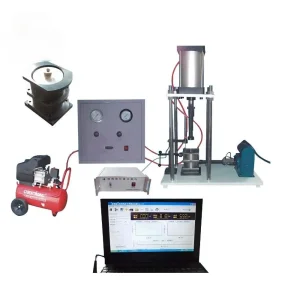
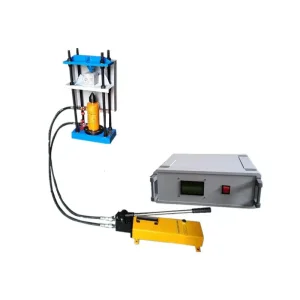
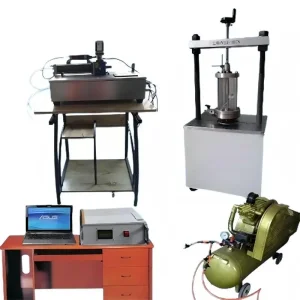
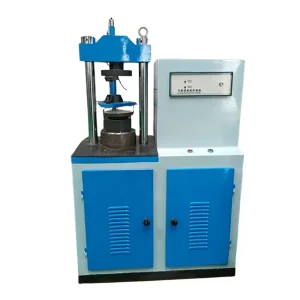
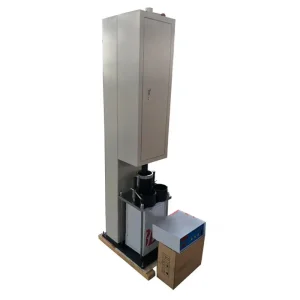
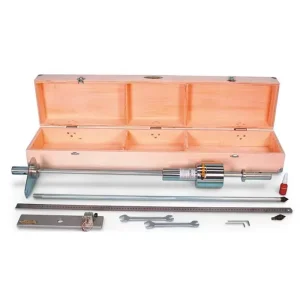
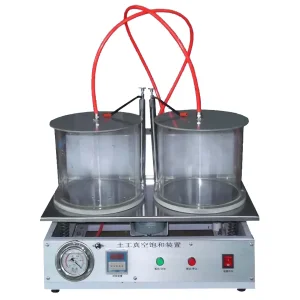
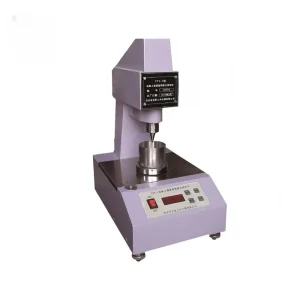
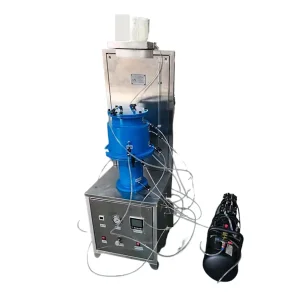
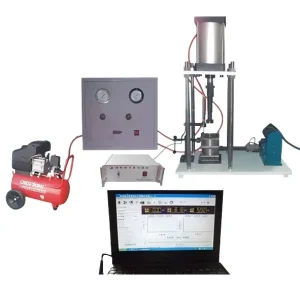
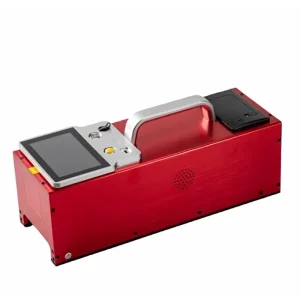
In the contemporary landscape of global civil engineering, the Automatic Rebound Modulus Tester has transitioned from a specialized laboratory tool to a critical component of infrastructure life-cycle management. As urbanization accelerates across Asia, Africa, and South America, the demand for resilient pavement and stable subgrade foundations has reached an all-time high. The rebound modulus (the ratio of a repeated stress to the recoverable strain) is a fundamental parameter in the mechanistic-empirical design of pavement structures.
Traditional manual testing methods for rebound modulus are fraught with human error, ranging from inconsistent loading rates to subjective interpretation of dial gauge readings. Modern Automatic Rebound Modulus Testers utilize high-precision LVDTs (Linear Variable Differential Transformers) and closed-loop hydraulic or electromechanical loading systems to ensure 99.9% repeatability—a prerequisite for Tier-1 highway projects and international airports.
Meeting ASTM D1195 and AASHTO T222 standards, our systems provide the mechanical characterization required for modern "Smart City" infrastructure.
Global contractors now require digital verification of subgrade modulus to mitigate long-term liability and maintenance costs.
Designed to integrate with BIM (Building Information Modeling) workflows, providing localized data for various international building codes.
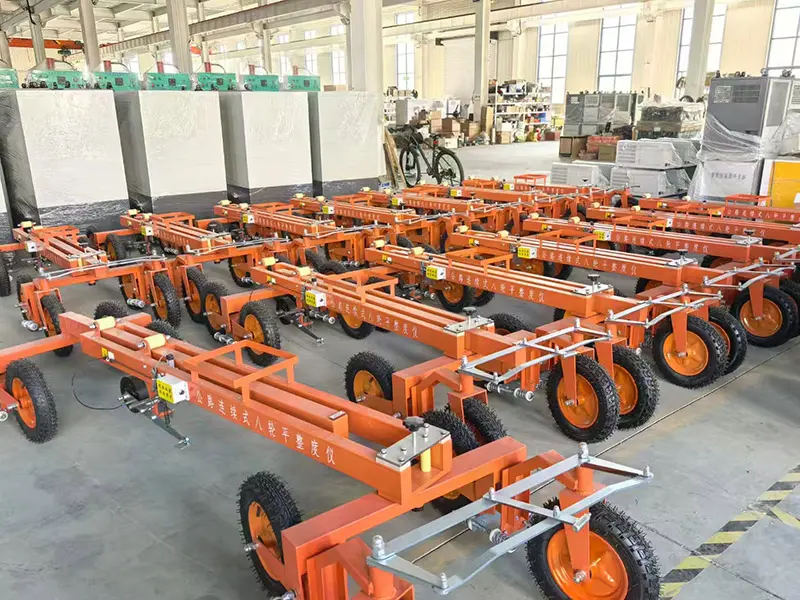
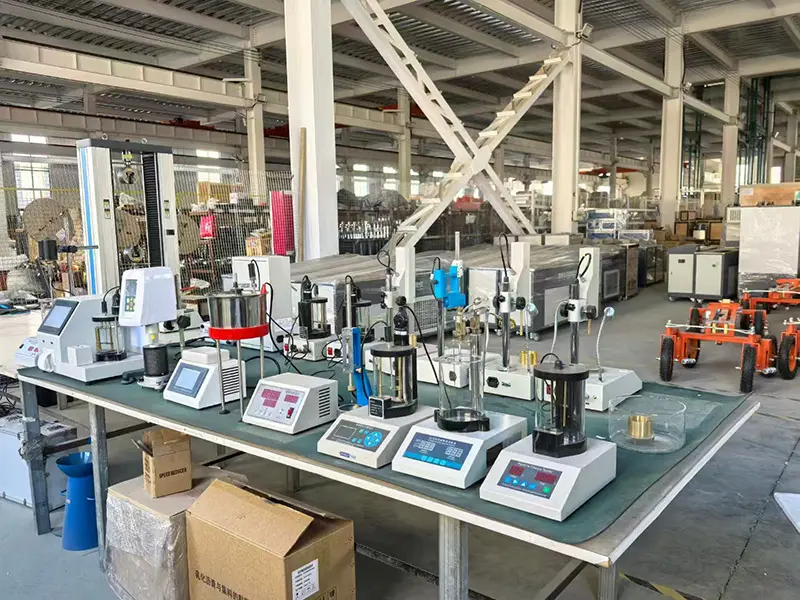
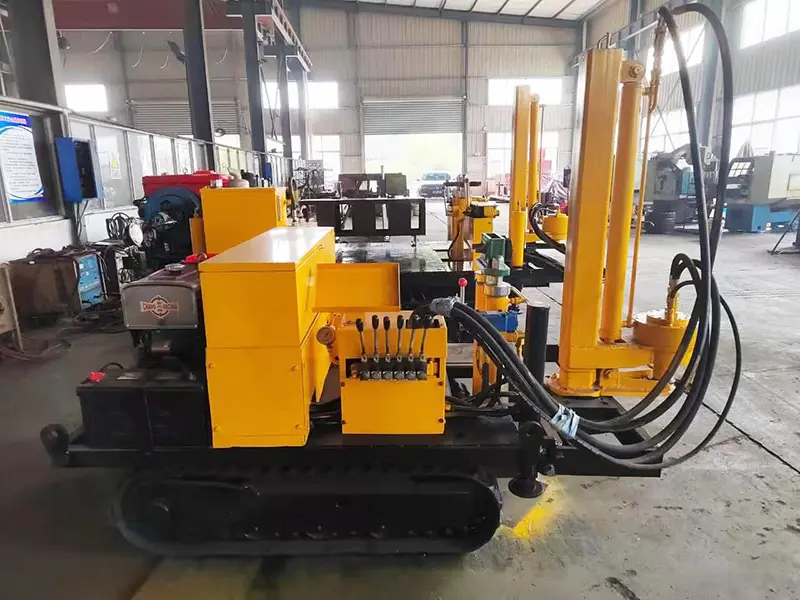
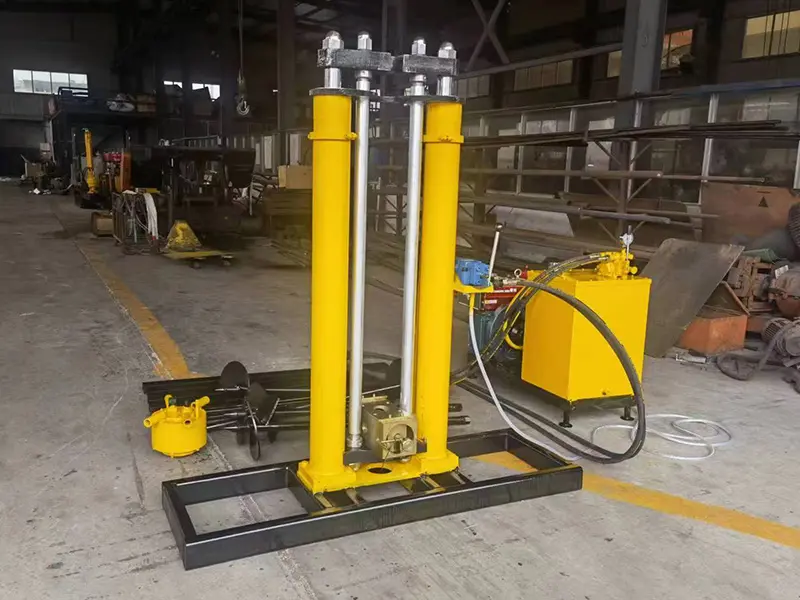
Xi'an Zealchon Electronic Technology Co., Ltd. stands as a titan in the civil engineering testing industry. With a heritage spanning over 15 years, we are strategically located in the high-tech development zone of Xi'an, the ancient capital of China and a modern hub for aerospace and structural engineering research.
Spanning a 7,500 square meter facility, Zealchon is not merely a manufacturer; we are a research-driven enterprise. Our partnership with prestigious institutions like Chang’an University Highway College and the Air Force Engineering University allows us to translate theoretical geotechnical breakthroughs into field-ready automated testers.
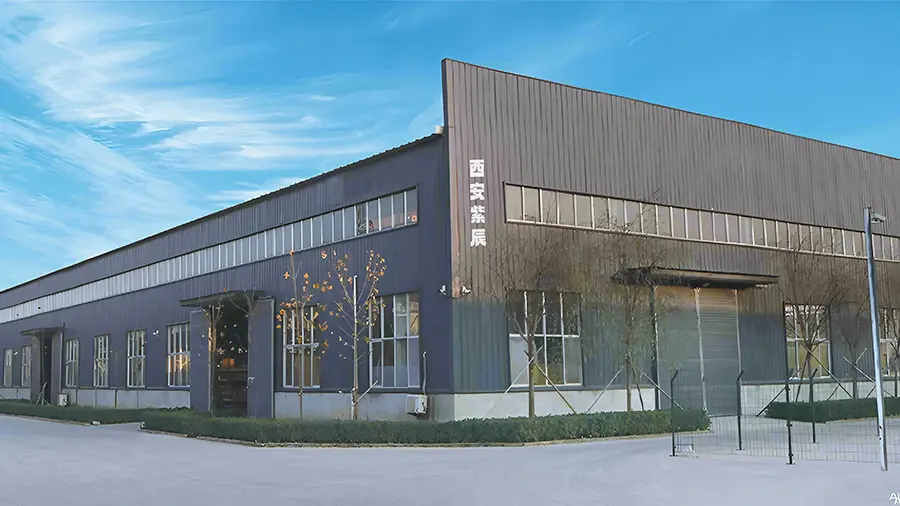
Our core expertise lies in the "Xiya" trademark series, recognized throughout Shaanxi Province and internationally for filling critical gaps in pavement, bridge deck, and geotechnical structural testing. By integrating semiconductor laser technology with traditional geotechnical sensors, we offer a "Zero-Error" environment for modulus calculations.
The future of Automatic Rebound Modulus Testing is not just in the load; it is in the data. Zealchon is currently developing 4th-generation testers that feature:
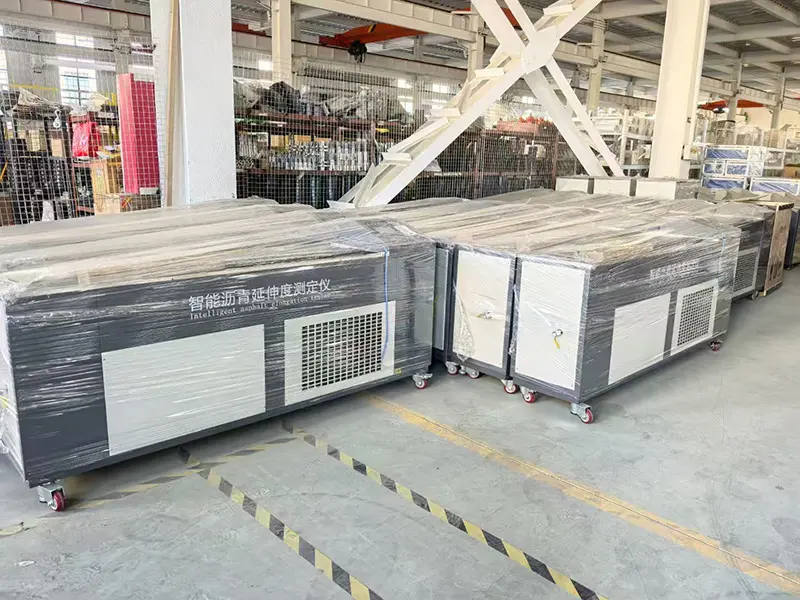
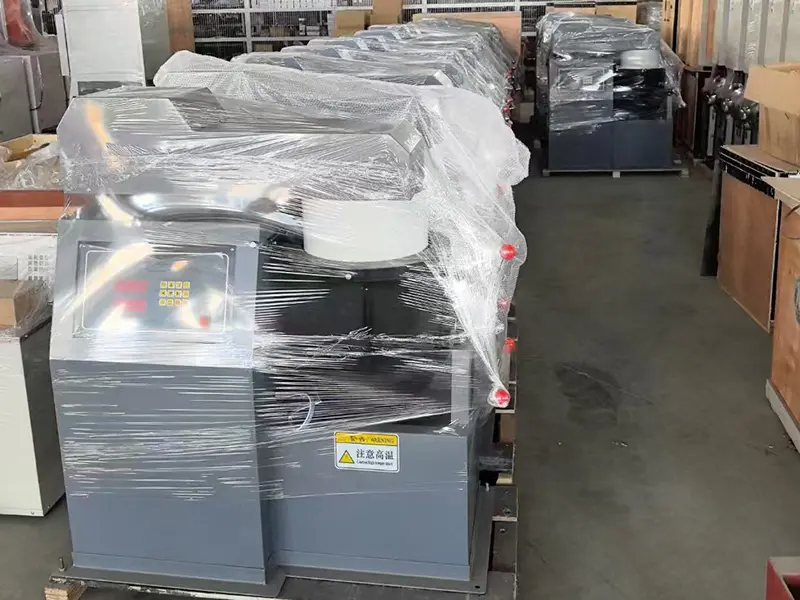
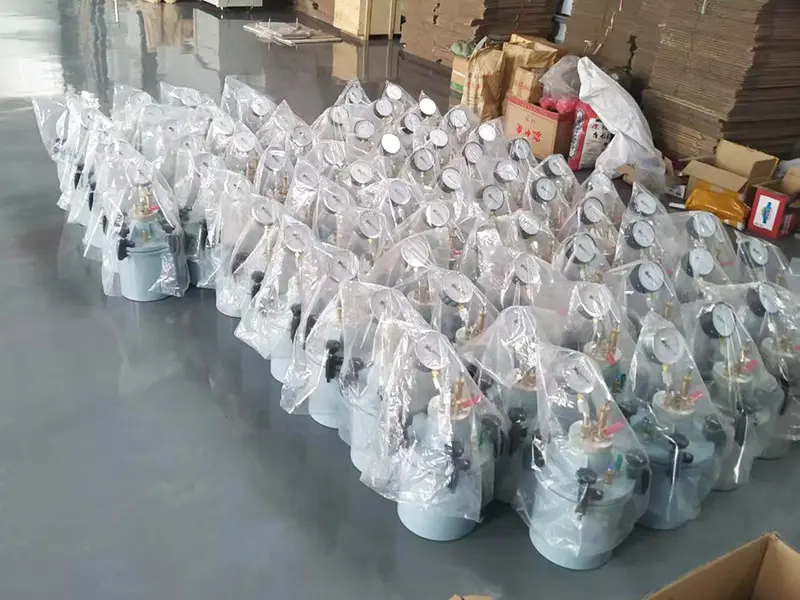
We strictly adhere to the pace of national and international standards. Every unit undergoes rigorous 72-hour stress testing before dispatch.
Supported by professors from Xi'an University of Technology, we offer more than equipment—we provide testing methodology consultation.
While manufactured in China, our web development and marketing teams ensure localized technical documentation for every market.
"Everything is based on customer needs as the working goal" - Our Promise of Three Guarantees and Craftsman Spirit.
Static testing involves slow, incremental loading, whereas dynamic testing (using equipment like the FWD) simulates the impact of moving vehicle loads. Our automatic testers are versatile enough to provide high-resolution data for static analysis while maintaining the data acquisition speed required for rapid field assessment.
Manual measurement of lateral vs. axial strain is notoriously difficult. Our integrated digital display uniaxial compression testers use synchronized multi-channel sensors to capture simultaneous deformation, providing a significantly more accurate Poisson's ratio for complex soil and rock specimens.
Yes, all Zealchon instruments, including the soil uniaxial compression rebound modulus tester, are shipped with factory calibration certificates traceable to ISO/IEC standards. We also support on-site calibration verification through our network of international distributors.
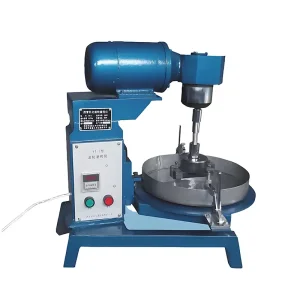
Our range includes specialized equipment for coarse-grained soil and gravel permeability, as well as digital liquid/plastic limit devices for fine-grained clays. We provide a holistic testing ecosystem for all soil types encountered in highway and railway construction.
 Zealchon Electronic