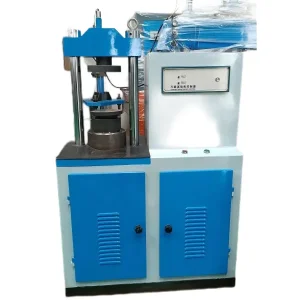
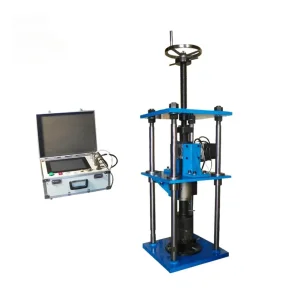
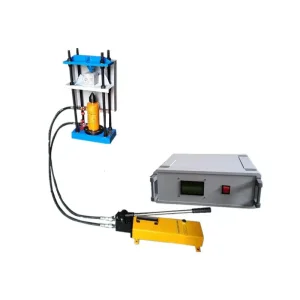
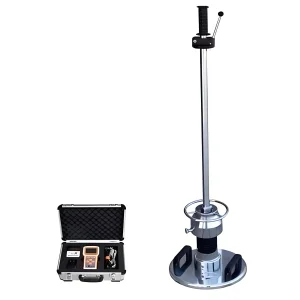
Industry-Standard Equipment for Reliable Laboratory and Field Analysis
A Deep Dive into Proctor Compaction Test Results and Geotechnical Optimization
In the realm of civil engineering, the Proctor Compaction Test stands as a foundational pillar for ensuring the structural integrity of embankments, road bases, and earthen dams. Developed by Ralph R. Proctor in 1933, this laboratory method determines the optimal moisture content (OMC) at which a given soil type becomes most dense and achieves its maximum dry density (MDD). As a leading authority with over 15 years of specialization, Xi'an Zealchon Electronic Technology Co., Ltd. provides not just equipment, but the technical benchmarks required for high-stakes infrastructure projects.
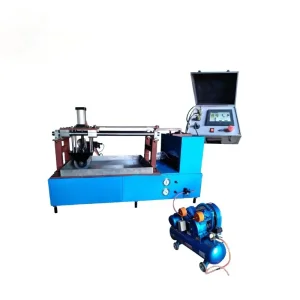
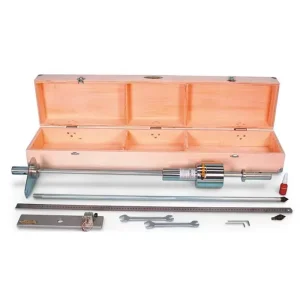
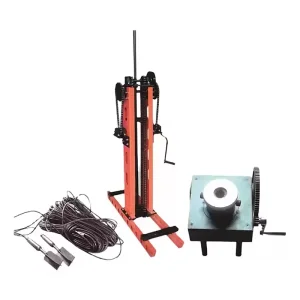
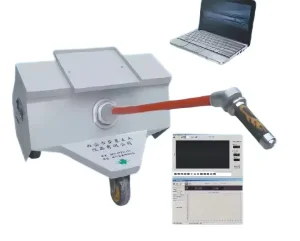
The significance of Proctor compaction test results extends beyond mere numbers; it represents the "fingerprint" of a soil's mechanical behavior under load. Our wholesale pricelists for compaction testing equipment reflect the integration of digital precision with traditional geotechnics, catering to the evolving needs of global testing laboratories.
Modern geotechnical analysis focuses on the Compaction Curve. By analyzing the relationship between dry density and water content, engineers can predict soil stability, permeability, and shear strength. Our equipment provides high-resolution data gain to minimize margin of error.
While the Standard Proctor Test (ASTM D698) is suitable for traditional construction, the Modified Proctor Test (ASTM D1557) is essential for heavy-load applications like airport runways. We provide solutions that seamlessly switch between these international standards.
Wholesale procurement of our testing suites ensures consistency across large-scale projects. By utilizing standardized equipment from Zealchon, firms can guarantee that Proctor results from different site locations are directly comparable.
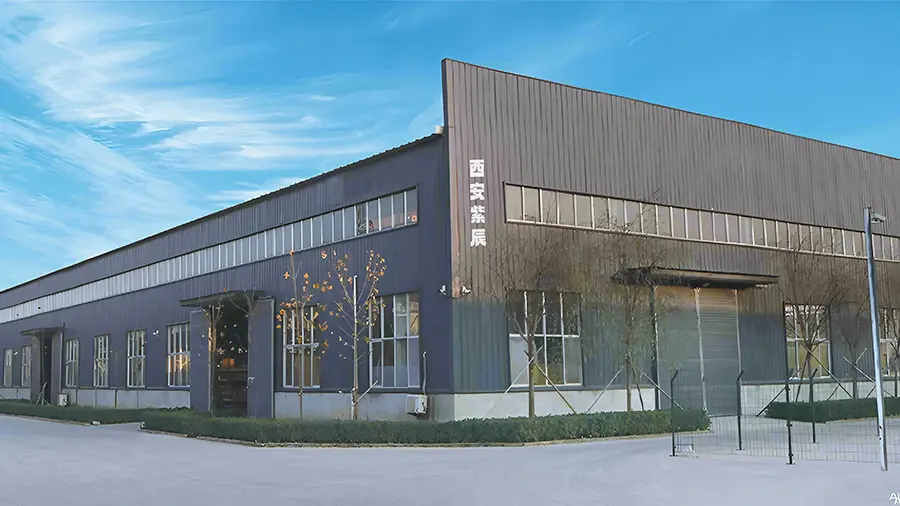
Located in the ancient technological hub of Xi'an, China, Xi'an Zealchon Electronic Technology Co., Ltd. spans 7,500 square meters of state-of-the-art manufacturing space. Our 15-year journey in civil engineering has been defined by a relentless pursuit of craftsman spirit and professional service.
Our research team, drawing experts from prestigious institutions like Chang'an University and Xi'an University of Technology, ensures that our Proctor compaction tools are not just machines, but sophisticated diagnostic instruments.
How Modern Civil Engineering is Reshaping Proctor Compaction Standards
The industry is moving toward "Connected Construction." Modern Proctor testing now involves automated data logging and cloud-based analysis, allowing project managers to view compaction results in real-time from anywhere in the world.
Procurement departments are increasingly seeking Wholesale Quotes that include lifecycle support. In the post-pandemic era, localized support and rapid parts replacement have become as critical as the initial machine cost.
The rise of recycled materials (like crushed concrete or slag) in road bases requires a new approach to Proctor testing. Our latest models are designed to handle non-traditional aggregates with higher precision.
Transitioning from Manual Testing to Intelligent Soil Analysis
The future of Proctor compaction test results lies in Machine Learning integration. We are currently developing a series of "Smart Molds" and automated rammers that can detect the soil's resistance in real-time, effectively predicting the OMC before the test sequence is even completed. This "Information Gain" will drastically reduce laboratory man-hours and improve the reliability of geotechnical reports.
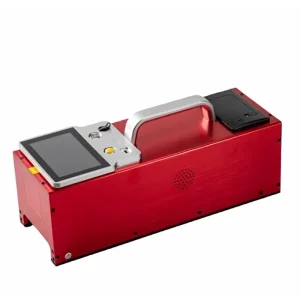
Our roadmap includes the development of portable, non-nuclear density gauges that correlate directly with Proctor results in the field, providing a seamless bridge between laboratory theory and onsite reality. For wholesale buyers, this represents a significant shift from purchasing "tools" to investing in "data ecosystems."
Answers to Common Technical and Sourcing Questions
Extending Excellence Across Geotechnical and Material Science
 Zealchon Electronic