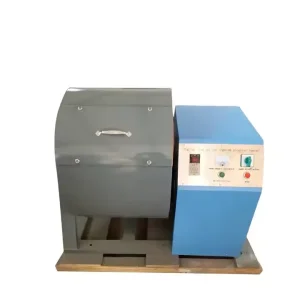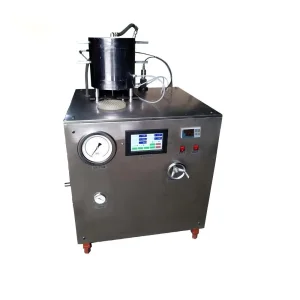
Custom Fully automatic rock drillability tester Manufacturer, Pricelist

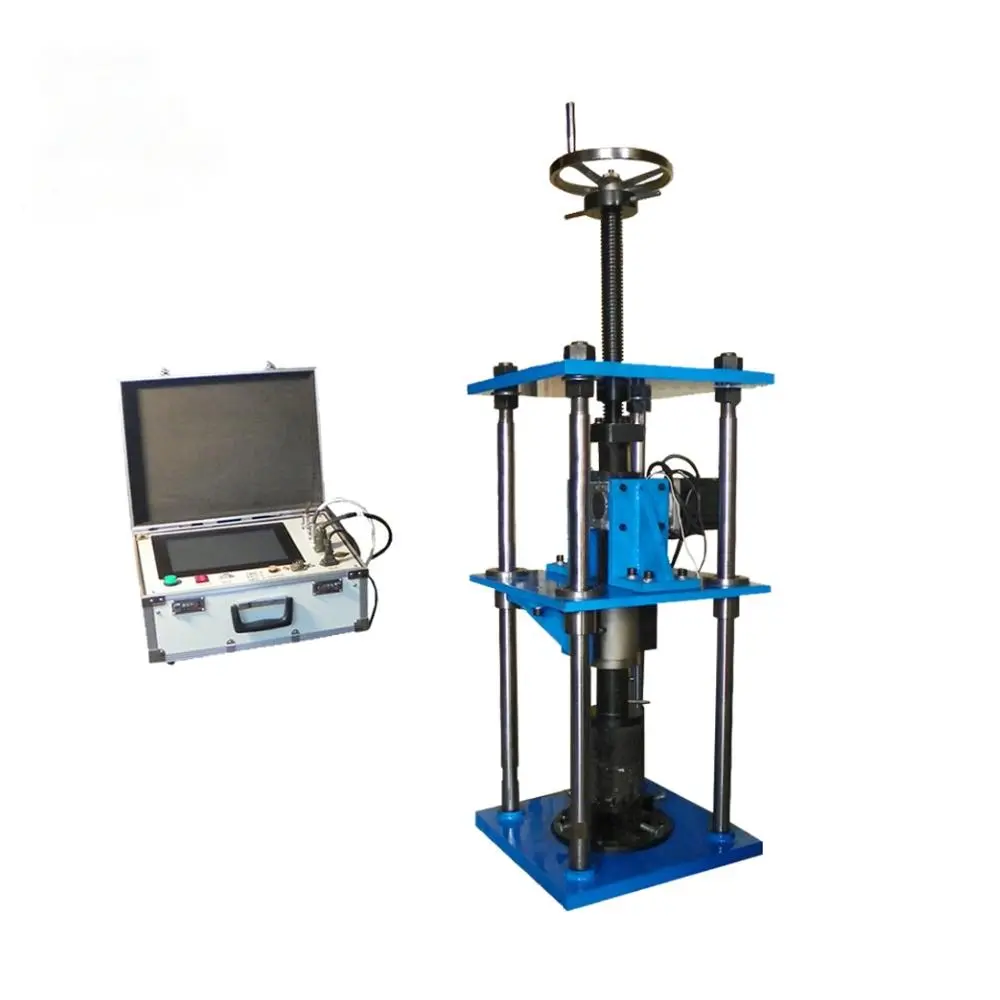
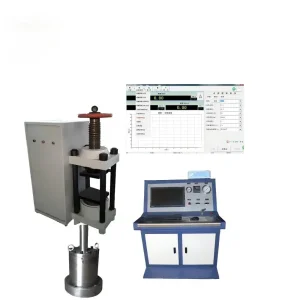
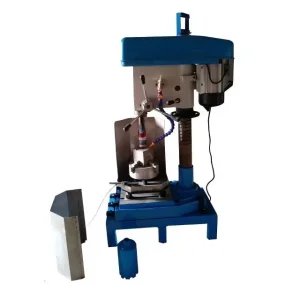
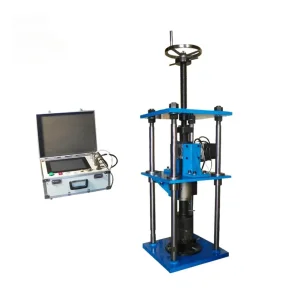
The fully automatic rock drillability tester is an intelligent experimental device used to evaluate the difficulty level (drillability) of rock drilling. By simulating the drilling process and quantifying the rock's resistance to drilling, it provides key parameters for fields such as petroleum drilling, geological exploration, and mining.

Functions

-Automated determination of rock drillability index (such as micro drilling rate index (MDR) drillability level value (DR), etc.).
-Simulate real drilling conditions (rotational speed, drilling pressure, drill bit type, etc.) and predict actual drilling efficiency.

Product Description

Major Component

  • Drilling system Electric control drill bit (standard size hard alloy/diamond drill bit).
    High precision servo motor (controls speed and drilling pressure, typically ranging from 0 to 1000 rpm, 0 to 10 kN).
  • Rock sample fixture A hydraulic or mechanical clamping device that ensures the stability of the rock sample.
  • Sensor module Torque sensor: Real time monitoring of drilling resistance.
    Displacement sensor: Records drilling depth (accuracy 0.01 mm).
    Vibration/acoustic emission sensor (optional): Analyze rock fragmentation characteristics.
  • Control system PLC or industrial computer, pre-set test program and automatically adjust parameters.
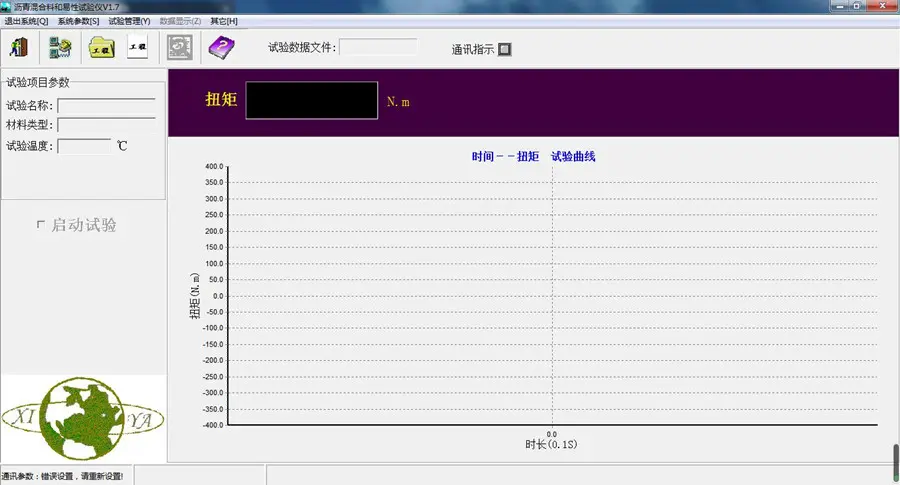
  • Data analysis software Automatically generates drillability curves, calculates indices, and exports reports.
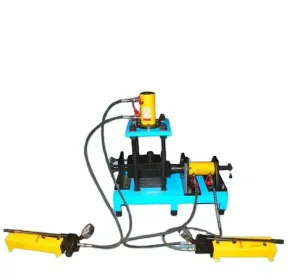
Structural composition (1)

Testing Principles

  • Micro drilling speed method Measure the drilling depth (mm/min) per unit time under standard drilling pressure and rotation speed, and convert it into drillability level value.
  • Energy method Evaluate rock fragmentation energy consumption by drilling power consumption (torque x speed).

Application Scenarios

  • Oil and gas industry Optimizing drilling parameters (such as drill bit selection, speed design).
  • Mining engineering Evaluate rock drillability before blasting to reduce mining costs.
  • Research institutions Study new drill bit materials or rock drilling tool interaction mechanisms.

Compliant Standards

  • API RP 10B Extended Application of Drilling Fluid Testing Specification for Petroleum Industry.
  • ISO 22476-12 Standard for Geotechnical Engineering Investigation.

Parameter

1
Voltage: 220V; 50Hz; Power 2KW
2
Infinite speed regulation: 0-100mm/min (factory calibrated 55r/min ± 1r/min)
3
Sample size: side length 100 × 100mm; Φ25 × 80mm; Other specifications available for selection
4
Micro drill bit 1: Use a blade shaft to insert 8 and 9 spacer pads into the drill bit body, with a diameter of 31.75mm after assembly.
Micro drill bit 2: PDC drill bit is a device that symmetrically clamps two PDC composite pieces onto a drill bit rigid body, with a diameter of 32mm after assembly.
5
Static and dynamic load: 0-10KN adjustable (factory calibration 890N ± 10N) (PDC drilling pressure factory calibration 500N ± 20N)
6
Drilling depth displacement: 0-20mm accuracy 0.01mm
7
Drill pressure torque rotation sensor: 0-100N · m ± 0.1N. m (optional)

Frequently Asked Questions

Q1 What are the major components of the drilling system?

The system consists of an electric control drill bit (standard size hard alloy/diamond drill bit) and a high-precision servo motor that regulates speed and drilling pressure ranging from 0 to 1000 rpm and 0 to 10 kN.

Q2 How does the micro drilling system measure rock drillability?

It evaluates rock properties using two primary principles: the Micro Drilling Speed Method, which measures drilling depth (mm/min) under standard parameters, and the Energy Method, which assesses energy consumption via torque and speed parameters.

Q3 Which industry standards does this testing system comply with?

The equipment is fully compliant with standard guidelines including API RP 10B (petroleum industry testing specification for drilling fluids) and ISO 22476-12 (geotechnical engineering investigation standards).

Q4 What rock sample dimensions are compatible with the fixture?

The standard rock sample sizes supported are side lengths of 100 × 100mm and Φ25 × 80mm. Custom sample specifications are also available upon selection to accommodate different testing needs.

Q5 What sensors are integrated for real-time data collection?

The system integrates a displacement sensor with 0.01 mm precision for depth tracking, a torque sensor for real-time resistance monitoring, and an optional vibration/acoustic emission sensor to study fragmentation features.
Related Products