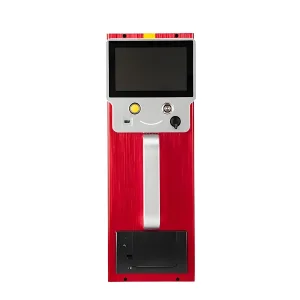
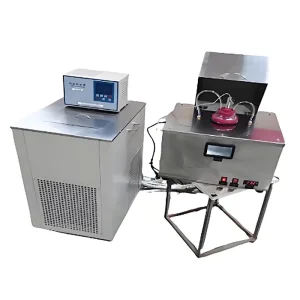
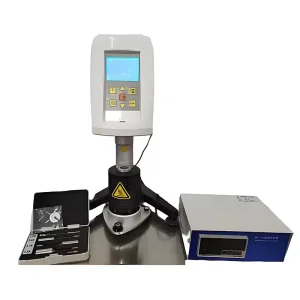
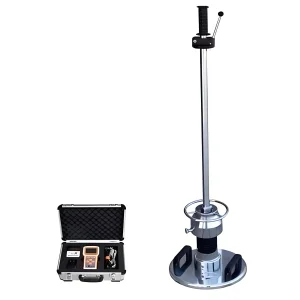
In the contemporary era of mega-infrastructure projects, the role of a Triaxial Vibration Tester has transitioned from a specialized laboratory instrument to a critical cornerstone of global safety and structural integrity. As urban landscapes reach higher and transport networks delve deeper, understanding the complex interplay of multidirectional forces—X, Y, and Z axes—is no longer optional; it is a fundamental requirement for Information Gain in geotechnical engineering.
Whether it's simulating seismic activity for high-rise foundations in Tokyo, testing the durability of high-speed rail embankments in Europe, or ensuring the stability of offshore wind turbines, the Triaxial Vibration Tester provides the empirical data necessary to predict long-term performance under dynamic stress.
The global geotechnical testing market is experiencing a 6.5% CAGR, driven by "Smart City" initiatives. Modern procurement teams now prioritize Triaxial Vibration Testers that offer integrated AI data analysis over traditional manual systems.
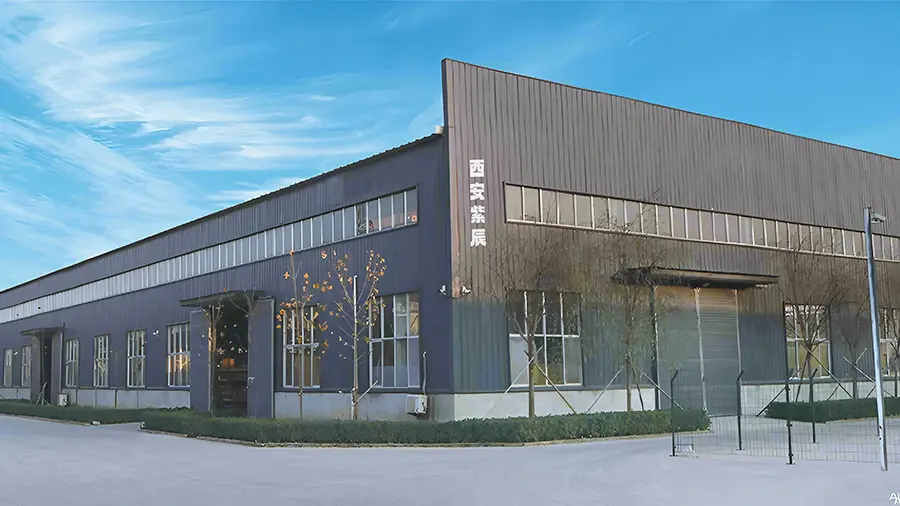
Based in the Xi'an High-Tech Zone, manufacturers like Zealchon benefit from a hyper-efficient supply chain. We integrate CNC precision machining with local university R&D (Chang’an University), reducing lead times by 30% compared to Western counterparts.
From the permafrost of the Qinghai-Tibet railway to the humid coastal subgrades of Southeast Asia, our testers are calibrated for extreme environmental variations, ensuring reliability in any localized climate condition.
As we move towards 2025, several key trends are reshaping the Triaxial Vibration Tester landscape:
Xi'an Zealchon Electronic Technology Co., Ltd. stands as a beacon of E-E-A-T in the testing instrument industry. With over 15 years of civil engineering background, we don't just sell equipment; we provide validated scientific solutions.
Under the cooperation of professors from Chang'an University and Xi'an University of Technology, we fill market gaps with provincial award-winning professional technology.
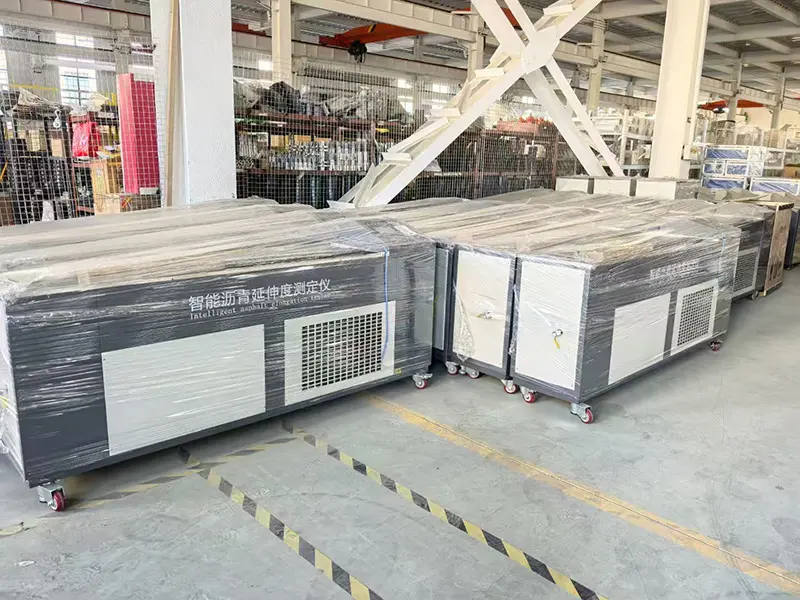
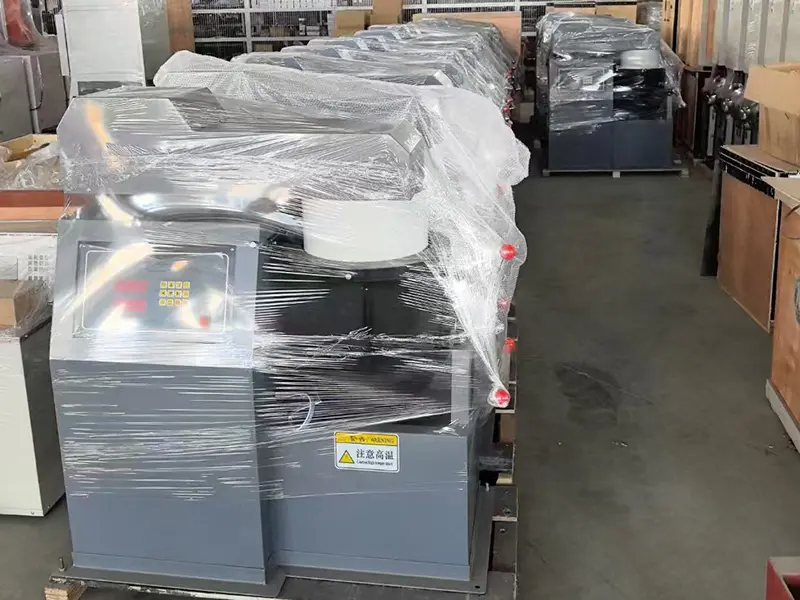
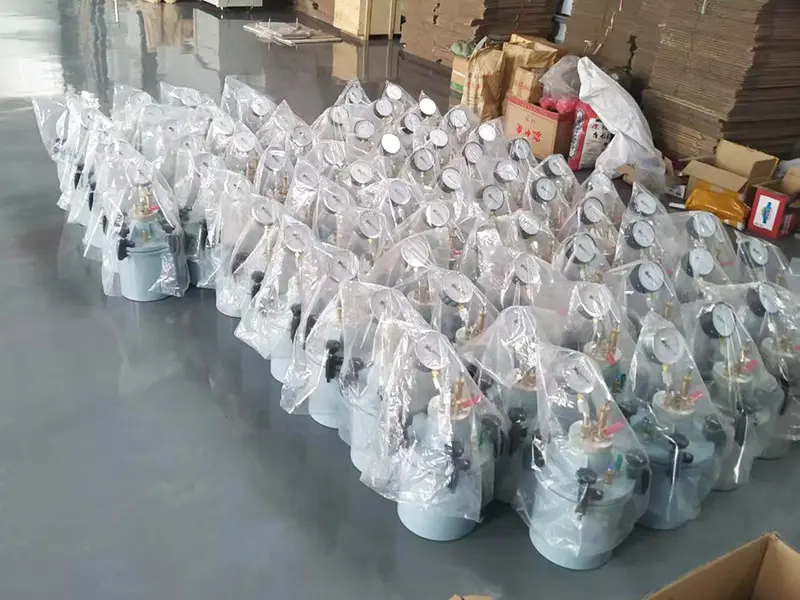
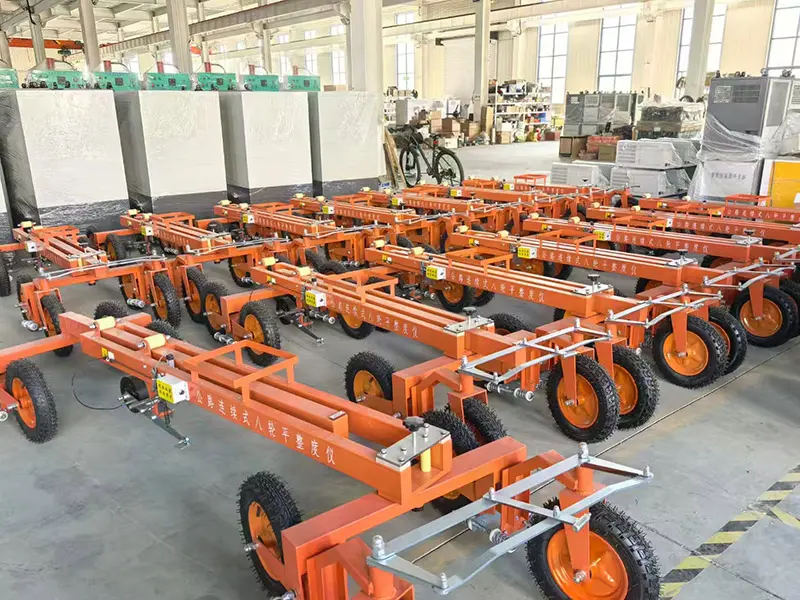
Our workshop utilizes machining centers, CNC lathes, and argon arc welding to ensure every Triaxial Vibration Tester meets "Xiya" trademark standards.
Our machines are utilized worldwide by government agencies, commercial laboratories, and prestigious universities, recognized for quality, performance, and value.
For international buyers, selecting a manufacturer requires a focus on Reliability and Information Gain. Key criteria include:
Ensure the equipment adheres to ASTM, BS, or ISO standards. Our testers are designed to comply with leading domestic and international standards.
In seismic simulations, a high sampling rate (up to 1000Hz) is essential for capturing peak stress values during vibration cycles.
We provide "Three Guarantees" for all sold products, backed by a technical support team that understands the "Craftsman Spirit."
Static triaxial testing measures the shear strength under constant load, while dynamic (vibration) testing evaluates how soil or rock responds to cyclic loading, such as traffic or seismic waves, measuring liquefaction potential and damping ratios.
We utilize high-precision pressure transducers and LVDTs (Linear Variable Differential Transformers) coupled with high-speed data acquisition cards, calibrated against national standards to ensure 0.1% accuracy.
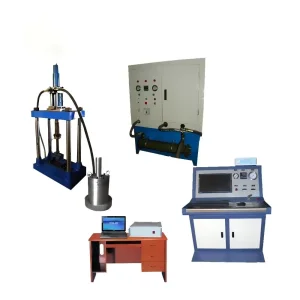
Yes, we offer custom rock dynamic triaxial rheological testing machines specifically designed for high-stiffness samples with high-confining pressure requirements.
We ship worldwide. While many systems are self-calibrating via software, we offer remote technical support and local technician training to ensure your lab remains compliant.
 Zealchon Electronic