High-Quality Rock Soil Vacuum Saturation Test Device Manufacturers, Pricelist

The soil density vacuum saturation device is suitable for saturating soil, rock, and other material samples using the vacuum saturation method. It offers advantages such as time and labor saving, short saturation time, and high saturation (approximately 97% saturation by vacuum saturation).

Product Description

Equipment Composition

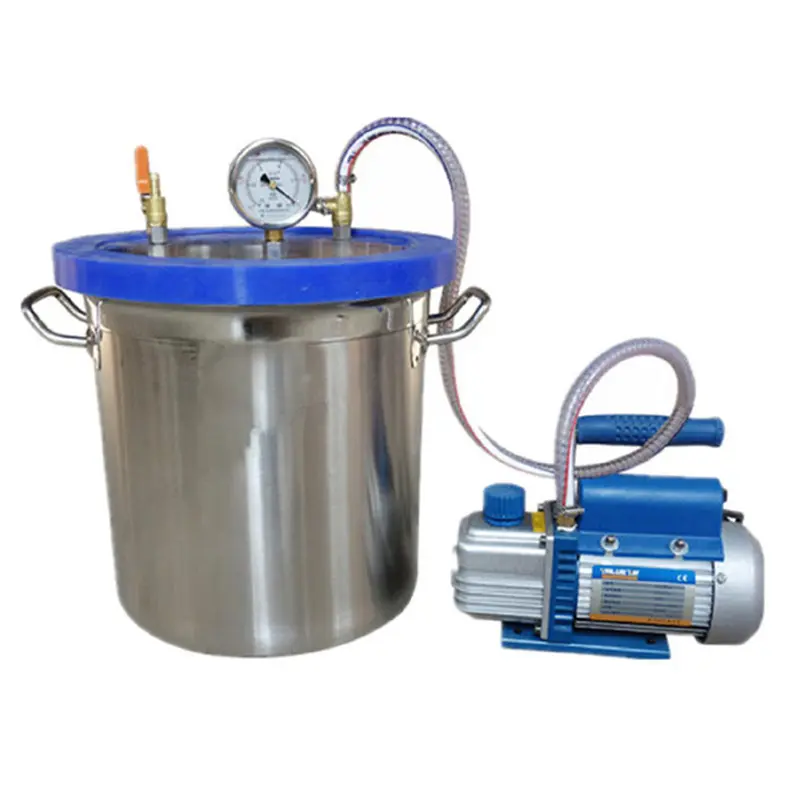
The Vacuum Saturation Test Device is a high-performance apparatus designed for professional geotechnical testing. It consists of a high-efficiency pump, air valve, precision vacuum gauge, and a saturation cylinder.

This apparatus is constructed from high-quality stainless steel, featuring a large size (300*300) while maintaining a light weight for ease of operation. It is specifically manufactured to comply with the "Sample Preparation and Saturation" chapter of the GB/T50123-1999 Geotechnical Testing Methods standard.

Vacuum Saturation Test Device

Technical Parameters

Power Supply Voltage:
220V ± 10%
Pump Power:
150W
Pressure Range:
0 ~ -96kPa
Saturation Cylinder:
Φ400 × 400mm

Test Requirements & Procedures

When saturating soil samples according to the GB/T50123-1999 standard, ensure the sample is properly loaded and the apparatus is connected to the vacuum pump via the dedicated vacuum hose. Follow these critical steps before connecting the power supply:
1
Valve Preparation: First, ensure both valves on the cover (the vacuum valve and the water injection valve) are firmly closed.
2
Initial Startup: Apply slight pressure to the cover and start the vacuum pump.
3
Controlled Opening: Slowly open the vacuum valve. It is crucial not to open the valve too quickly, as rapid pressure changes can cause the vacuum pump to spray oil.
4
Monitoring: Observe the vacuum pressure gauge; a rising vacuum value indicates the system is functioning normally.

Frequently Asked Questions

Q1: Which industry standard does this device comply with?
The Vacuum Saturation Test Device is manufactured in strict accordance with the GB/T50123-1999 Geotechnical Testing Methods standard, specifically the "Sample Preparation and Saturation" chapter.
Q2: What material is used for the saturation cylinder?
The apparatus is made of high-grade stainless steel, ensuring durability, corrosion resistance, and a lightweight design for easier handling in laboratory environments.
Q3: What is the maximum pressure range the device can achieve?
The device features a pressure range from 0 down to -96kPa, making it suitable for a wide variety of soil saturation requirements.
Q4: Why must the vacuum valve be opened slowly during operation?
Opening the valve too quickly creates a sudden pressure surge which may cause the vacuum pump to spray oil. A slow opening ensures stable operation and equipment longevity.
Q5: What are the dimensions of the saturation cylinder?
The saturation cylinder has a diameter of 400mm and a height of 400mm (Φ400×400mm), providing ample space for geotechnical samples.
Q6: What power supply is required for the vacuum pump?
The system operates on a standard power supply voltage of 220V ± 10%, with a pump power rating of 150W.

Related Products