In the realm of civil engineering and geotechnical stability, the Standard Proctor Test Apparatus remains the cornerstone of laboratory soil mechanics. Originally developed by Ralph R. Proctor in 1933, the test provides a scientific method to determine the maximum dry density and optimum moisture content of soil—critical parameters for the construction of highways, embankments, and structural foundations.
As a leading Custom Standard Proctor Test Apparatus Supplier, Xi'an Zealchon Electronic Technology Co., Ltd bridges the gap between traditional geotechnical principles and modern digital precision. Our equipment is designed not just to meet, but to exceed international standards including ASTM D698 and AASHTO T99. By providing high-fidelity data, our apparatus ensures that engineering projects are built on foundations of absolute certainty.
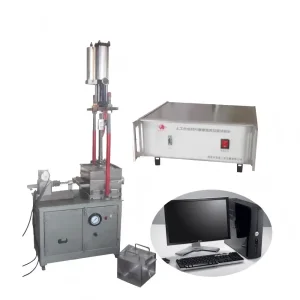
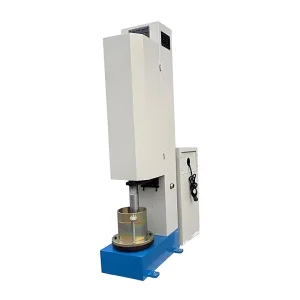
The global construction industry is rapidly shifting from manual Proctor rammers to Automatic Compactor Systems. Modern procurement requests now prioritize digital displays, programmable blow counts, and automated mold rotation to eliminate human error and operator fatigue, ensuring repeatable results across global lab networks.
Search Quality Rater Guidelines emphasize "Reliability." In soil testing, this translates to Traceable Calibration. Leading firms now require apparatus with integrated sensors that log compaction energy, providing a digital "birth certificate" for every soil sample tested.
Customization is no longer a luxury. Whether it is 4-inch (101.6mm) or 6-inch (152.4mm) molds, or specialized plating for corrosive soils, global contractors need "Custom Standard Proctor Test Apparatus" tailored to specific regional geologies and project specifications.
Our Proctor molds are manufactured using high-grade, cold-drawn steel, plated for maximum wear resistance. Unlike standard off-the-shelf products, our Custom Proctor Moulds feature precision-machined internal diameters with tolerances significantly tighter than industry requirements, minimizing volume error in density calculations.
The kinetic energy of the rammer drop is the heart of the Proctor test. Zealchon's rammers are calibrated to deliver exactly 5.5 lbf (2.5 kg) or 10 lbf (4.5 kg) for Modified Proctor tests, ensuring that the 12,400 ft-lbf/ft³ (600 kN-m/m³) energy threshold is maintained with sub-1% variance.
Beyond the apparatus, we provide a holistic geotechnical ecosystem designed for large-scale infrastructure.
Rail foundations require ultra-low moisture variance. Our systems integrate with laboratory information management systems (LIMS) for real-time data sync.
Specialized oversized molds for rocky soil compaction, catering to the unique needs of water conservancy projects.
Optimized for Modified Proctor protocols required for heavy-load airfield pavement and subgrade stabilization.
Under the guidance of professors from Chang'an University and Xi'an University of Technology, we have developed professional core technology testing instruments that have won ministerial and provincial awards.
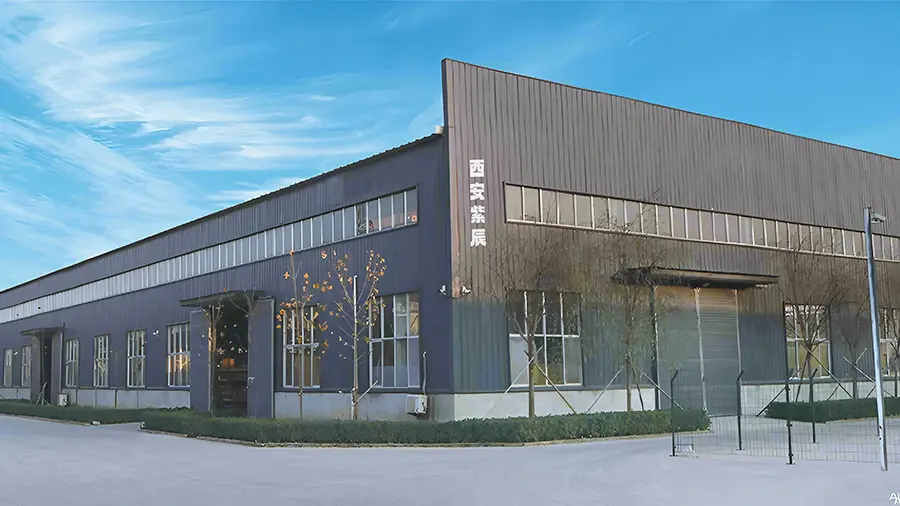
Equipped with CNC lathes, milling machines, and argon arc welding, our 7500sqm facility in Xi’an is a hub of civil engineering innovation.
Used by government agencies, commercial testing laboratories, and contractors world-wide for over 15 years.
Zealchon is currently investing in R&D for the next generation of IoT-Enabled Soil Testing Stations. Our roadmap includes:
A: The Standard Proctor (ASTM D698) uses a 5.5 lb rammer and 12-inch drop, whereas the Modified Proctor (ASTM D1557) uses a 10 lb rammer and 18-inch drop to simulate the heavier compaction energy of modern construction machinery.
A: Yes. As a custom supplier, we manufacture molds according to British Standards (BS), EN standards, and other specific regional requirements upon request.
A: We recommend a professional calibration check every 12 months or after every 500 test cycles to ensure the mechanical wear hasn't affected the drop weight or energy transfer.
A: We ship worldwide and provide all necessary COA (Certificate of Analysis), CE certification, and ISO compliance documentation required for customs and lab accreditation.
 Zealchon Electronic