Wholesale crawler-type CPT Vehicle for Hydraulic Static Cone Penetrometer Manufacturers, Suppliers

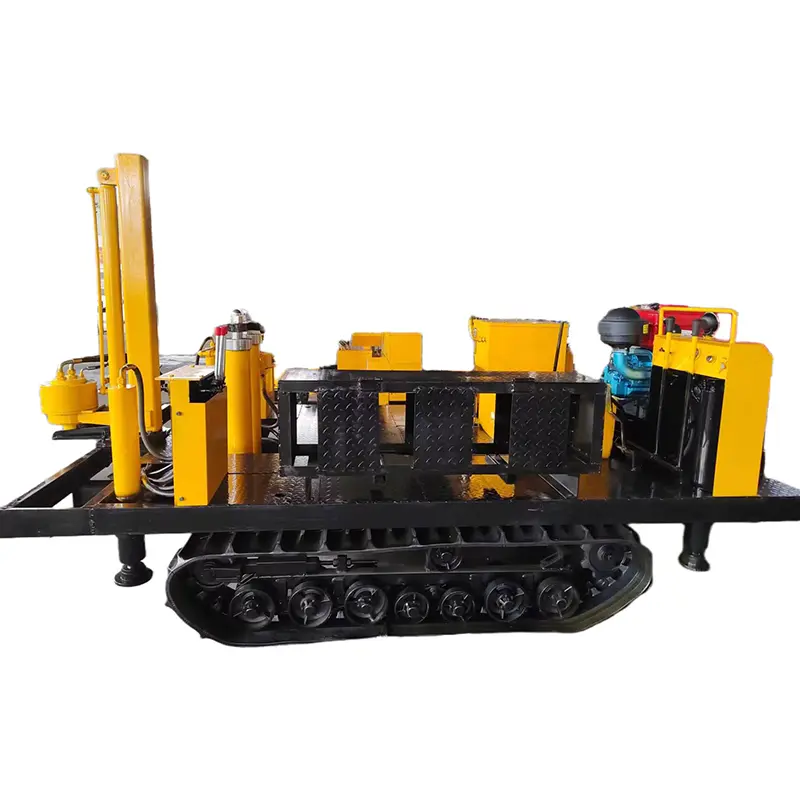
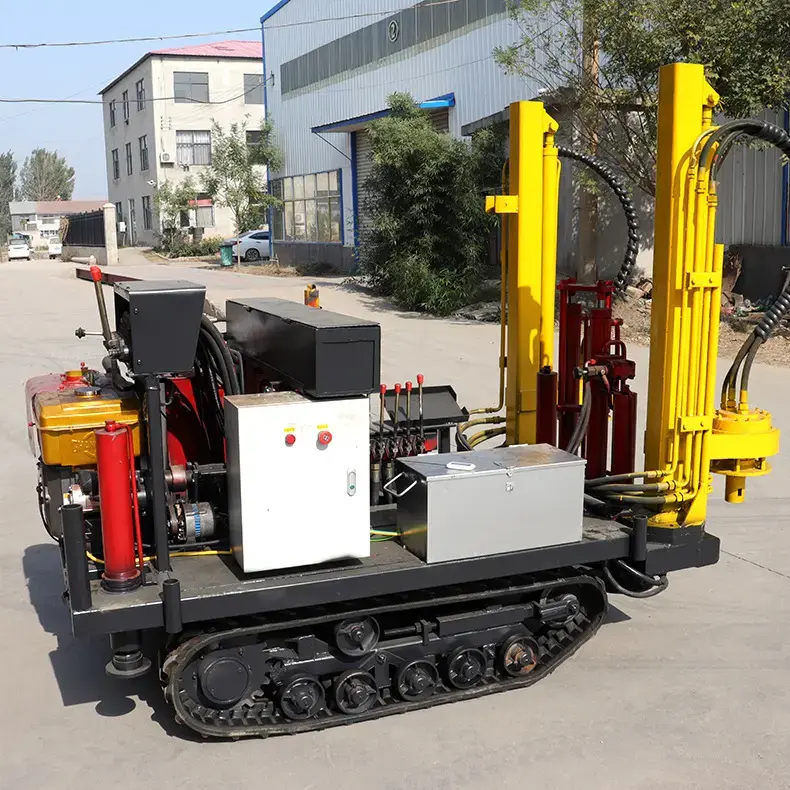
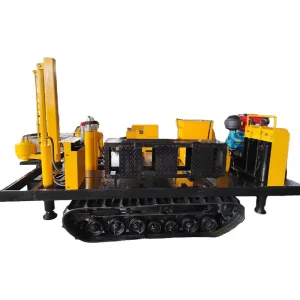
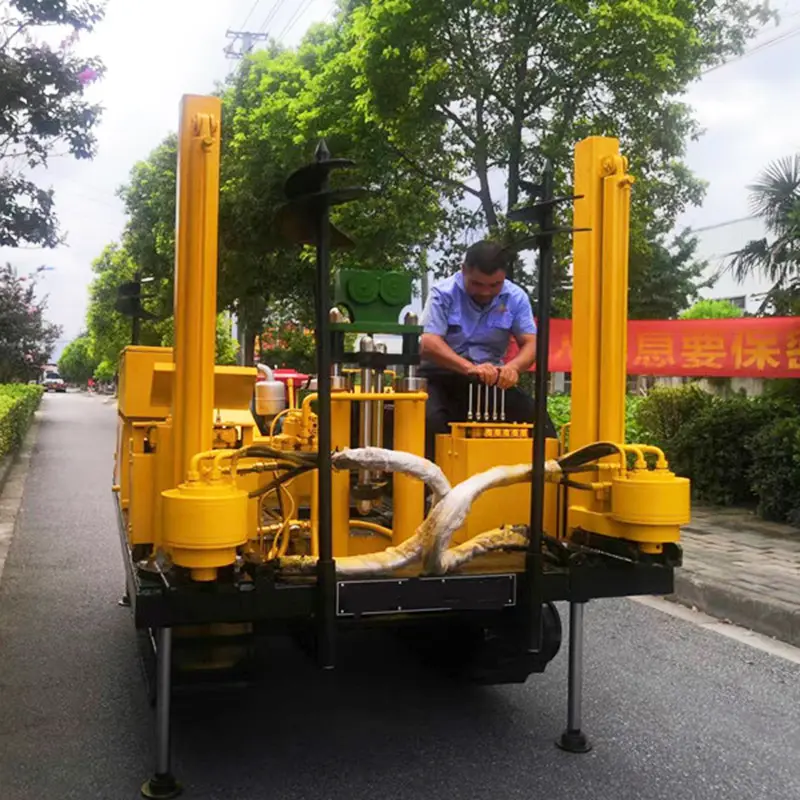
Crawler type static cone penetration testing vehicle is a specialized equipment used for geological exploration and soil mechanics testing, mainly used to measure the mechanical properties of soil, such as bearing capacity, compressibility, shear strength, etc. It combines the off-road capability of tracked vehicles with static penetration testing technology, enabling efficient and accurate soil testing in complex terrains and harsh environments.

Crawler type static cone penetration testing vehicle is an indispensable and important tool in modern geological exploration and civil engineering, especially suitable for engineering projects that require high-precision soil mechanics data.

Product Description

The Working Principle
CPT Vehicle Principle

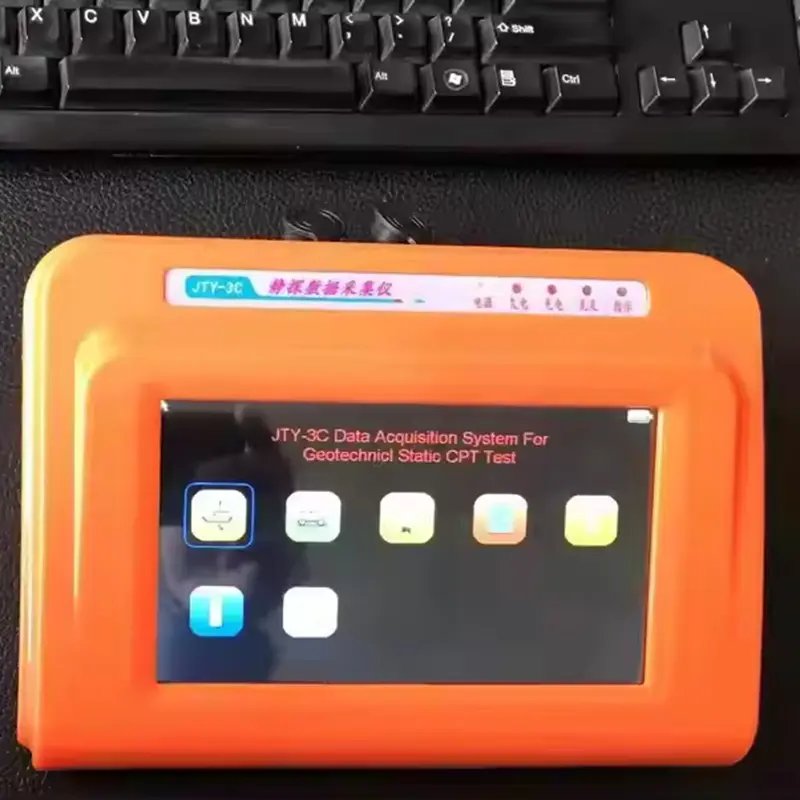
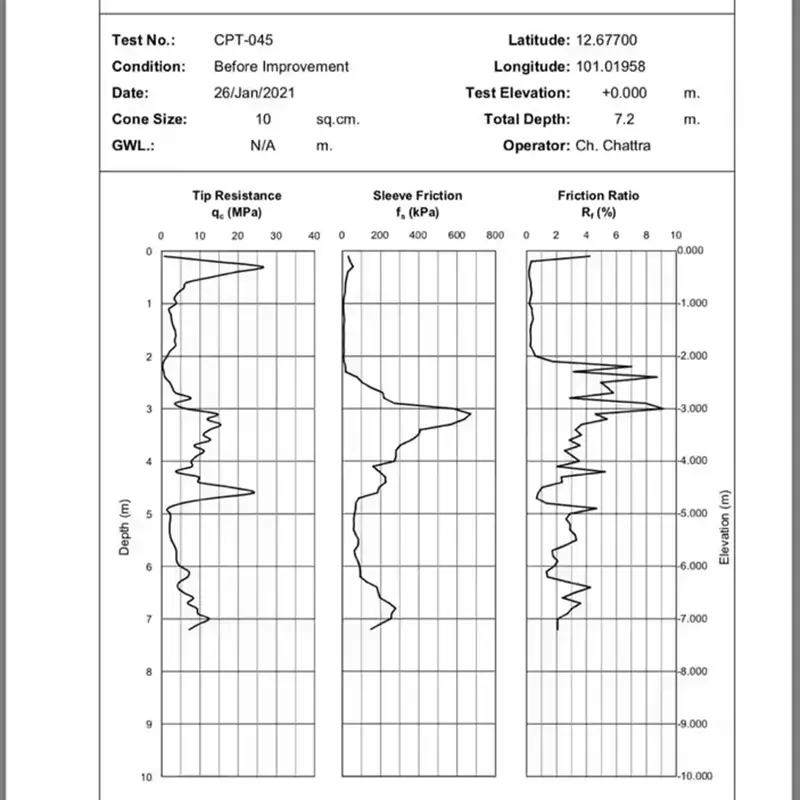
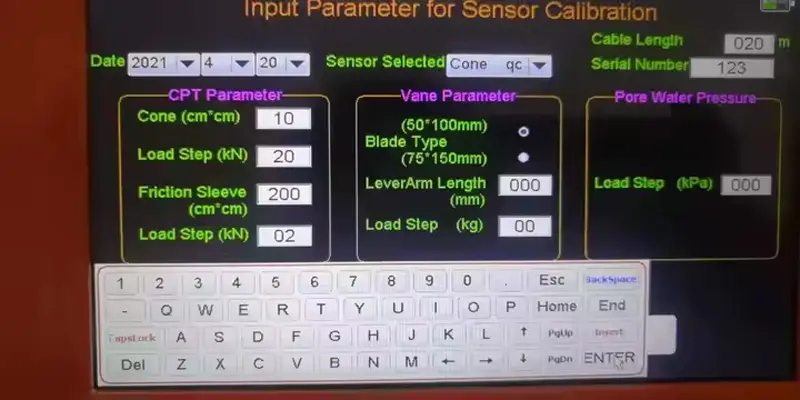
The CPT Vehicle utilizes advanced hydraulic transmission technology to automatically press the static exploration probe into the soil at a consistent and uniform speed. By measuring the resistance of the probe as it contacts the soil, the system converts physical data into electrical signals through resistance strain gauges.

The surface measuring instrument records and determines vital mechanical parameters of the soil, which are essential for foundation design. This equipment is highly versatile, making it ideal for working on soft soil, cohesive soil, old clay, loess, and sandy soil environments.
Key Features
Crawler Feature
1
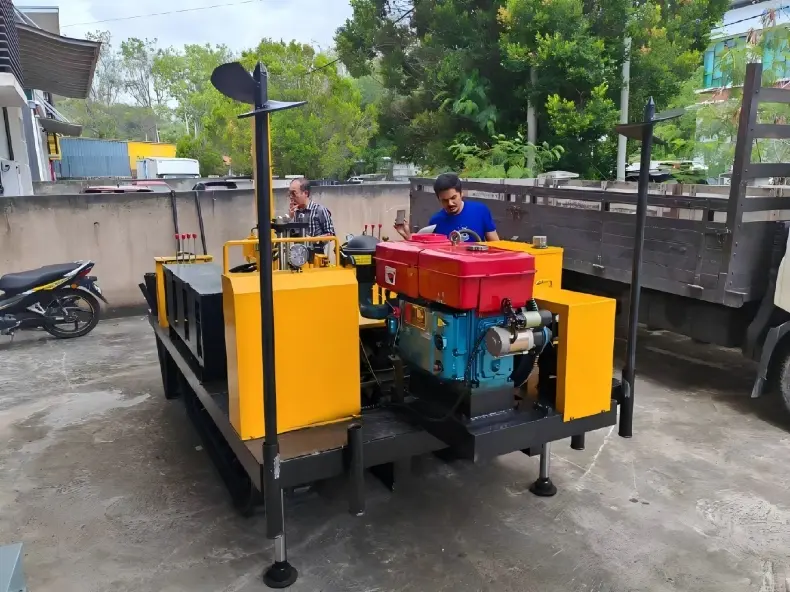
All-Terrain Mobility: Equipped with track support and walking capabilities, operations can be conducted in harsh environments such as beaches, riverbanks, paddy fields, and even icy roads.
2
Advanced Hydraulics: Features a split-type combined multi-way directional valve for a compact structure, low pressure loss, and excellent overload protection characteristics.
3
Hydraulic Anchoring: A unique sliding hydraulic anchoring device allows the system to slide outside the vehicle for operation and retract fully when work is complete, ensuring convenience and stability.
4
Multi-Functional Capability: Beyond static cone penetration testing (CPT), it can be extended for pore pressure detection (CPTU), self-drilling side pressure (PMT), flat shovel expansion (DMT), cross plate shear (VCT), and wave velocity (WVT) tests.
CPT Detail 1
CPT Detail 2
Technical Specifications
Engine Power22 KW (Speed: 2000–2500 r/min)
Rated Penetration Force200 KN - 250 KN
Pull-out Force240 KN - 300 KN
Penetration Speed1.2 ± 0.3 m/min
System Oil Pressure16 MPa
Walking Speed10 - 30 km/h
Climbing AbilityMax 30 degrees
Track TypeRubber Track (Width: 350 mm)
Anchor Motor TorqueMax 2442 N.m
Probe MaterialHigh-strength alloy steel 45MnMoB
Operating Temperature-20℃ to 40℃
Overall Dimensions3500 × 1800 × 1800 mm
Weight3200 kg (Standard configuration)
Technical Diagram
Applications & Engineering Use

The static cone penetration test is a critical in-situ testing method for engineering geological exploration, serving the following purposes:

1. Soil Stratification
Soil Layers

Divide soil layers and investigate uniformity of soft and hard interlayers.

2. Engineering Characteristics
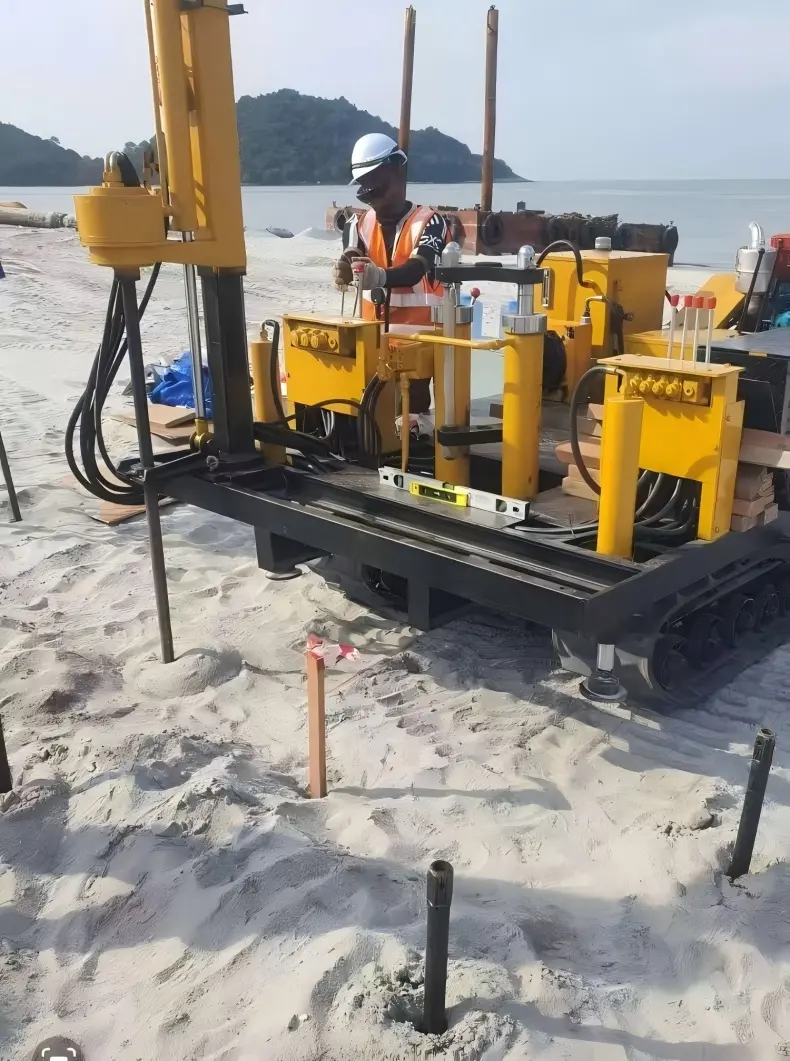
Evaluation

Evaluate bearing capacity, compression properties, and shear strength.

3. Foundation Reinforcement
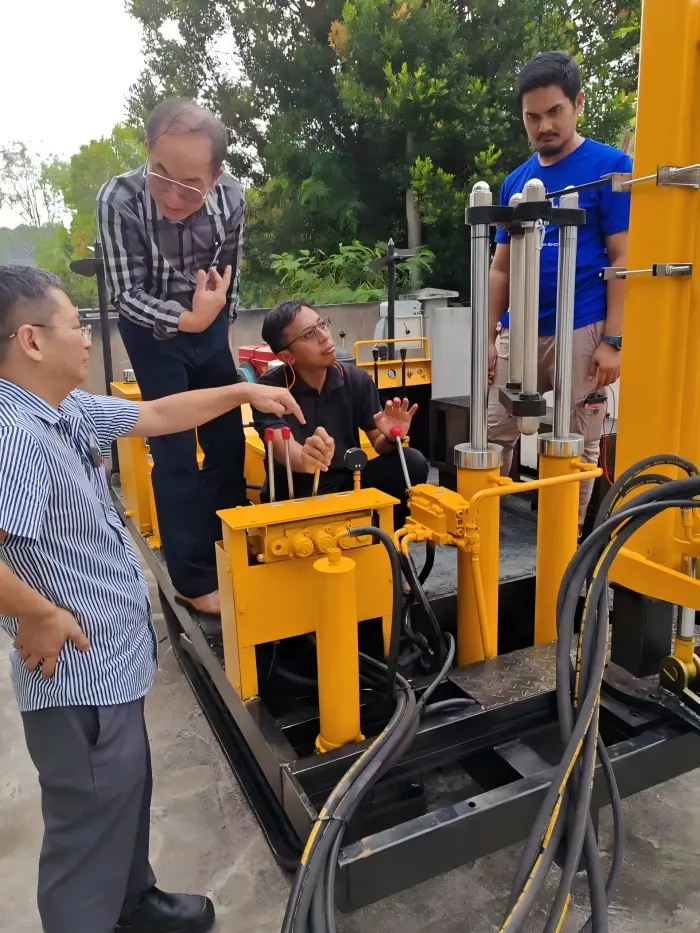
Check Compactness

Check the compactness of artificial fill and effectiveness of foundation reinforcement.
FAQ (Frequently Asked Questions)
Q1: What is the maximum penetration force and how is reaction force ensured?
We offer track CPT vehicles ranging from 15 tons (150 kN) to 25 tons (250 kN). The vehicle relies on a sturdy integral steel chassis for self-weight reaction. Additionally, a high-torque hydraulic anchoring system provides up to 20 tons of additional anti-pull force, preventing lifting during operation.
Q2: Does the penetration and lifting speed meet international standards?
Yes. The penetration speed is strictly controlled within the standard 20 ± 5 mm/s (2 cm/s). The return speed is faster (50-80 mm/s), which reduces non-operational time during rod extraction.
Q3: How does the tracked chassis handle swamps or beaches?
The vehicle uses wide all-steel or high-strength rubber tracks to maintain low ground pressure. This allows it to move across mud, swamps, and soft sand where wheeled vehicles would sink. It also features a 30° climbing ability for hilly terrains.
Q4: How is the vehicle transported over long distances?
The vehicle dimensions comply with standard flatbed trailer limits. It features dedicated lifting rings and fastening points, allowing it to easily climb onto transport vehicles independently for long-distance relocation.
Q5: What types of probes and data systems are compatible?
The system is highly compatible with single bridge (qc), double bridge (qc, fs), and pore pressure static probing (CPTU). It supports cable-based digital transmission with high-precision depth encoders for data synchronization.
Q6: Are the chuck and anchoring mechanisms durable under high pressure?
Yes. The automatic chuck uses high-hardness wear-resistant alloy clamps with anti-slip textures that protect the probe rod. All critical components like hydraulic seals and anchor blades feature a modular quick-release design for easy maintenance.

Related Products