 Zealchon Electronic
Deep Dive: Soil Consolidation and Fluid Dynamics
Soil compressibility is a fundamental property that dictates the settlement of structures under load. When a compressive load is applied to a saturated soil mass, the volume change is restricted by the rate at which pore water can drain. This process, known as consolidation, is time-dependent and governed by the soil's permeability.
1. The Physics of Soil Consolidation
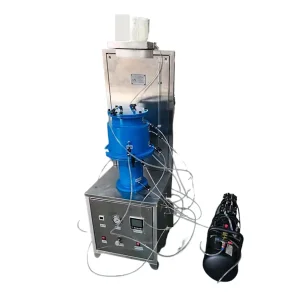
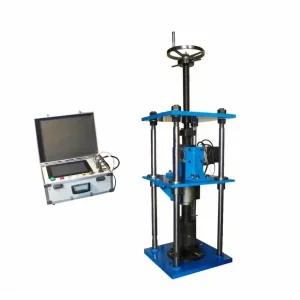
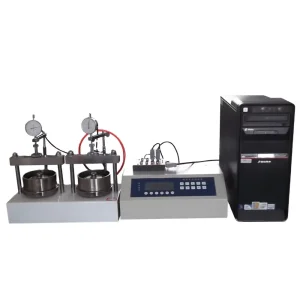
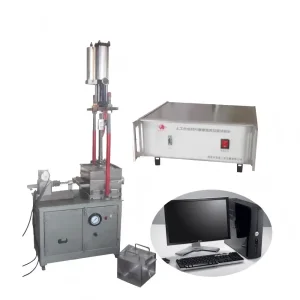
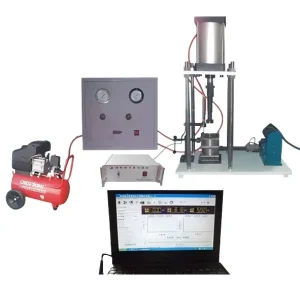
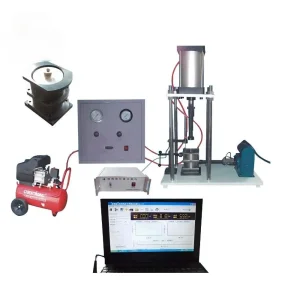
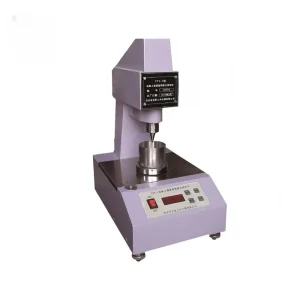
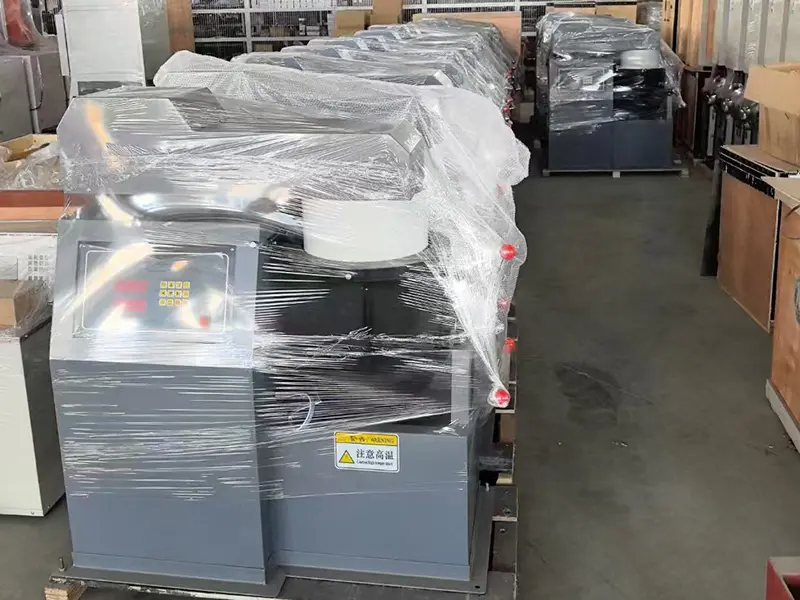
Primary consolidation involves the expulsion of water from the pore spaces. Our advanced Automatic Consolitometer Apparatus allows for precise control over the loading increments, providing high-resolution data for the e-log p curves. Understanding the pre-consolidation pressure (Pc) is essential to avoid catastrophic structural failure.
2. Drainage and Permeability Metrics
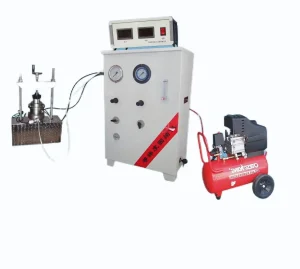
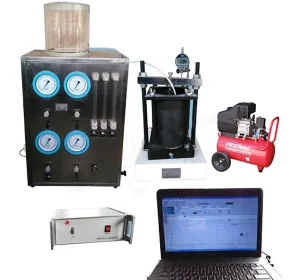
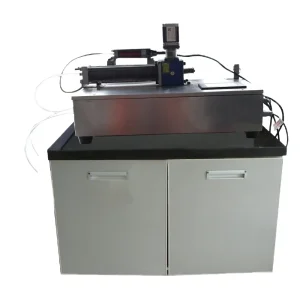
Soil drainage is characterized by the permeability coefficient (k). In coarse-grained soils, drainage happens almost instantaneously, while in fine-grained clays, it can take decades. Our Automatic Soil Permeability Test Equipment utilizes constant and falling head methods to provide accurate hydraulic conductivity data, vital for landfill liners and dam embankments.
3. Future Outlook: Digital Twin Integration
The next decade of soil testing lies in the integration of geotechnical sensors with Digital Twin models. By feeding real-time compressibility and drainage data into a virtual model of a city or a bridge, engineers can predict "health" and schedule maintenance before visible cracks appear. This is the ultimate growth frontier for high-tech manufacturers like Zealchon.