 Zealchon Electronic
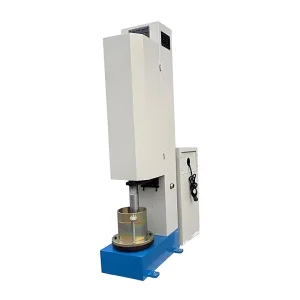
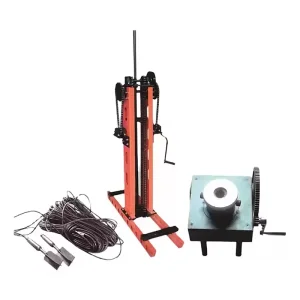
Strategic Overview: Soil Laboratory Testing in Japan’s Civil Engineering Landscape
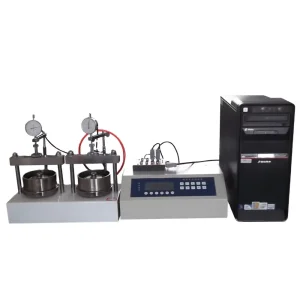
Japan’s geological profile is among the most complex in the world. Characterized by high volcanic activity, frequent seismic events, and a diverse range of soil types—from the soft marine clays of Tokyo Bay to the volcanic "Kanto Loam"—soil laboratory testing in Japan is not merely a regulatory hurdle but a critical safety mandate. As a leading soil lab test supplier for the Japan market, Zealchon provides equipment that adheres to both JIS (Japanese Industrial Standards) and international benchmarks.
The Industrial Context: Japan's Geotechnical Challenges
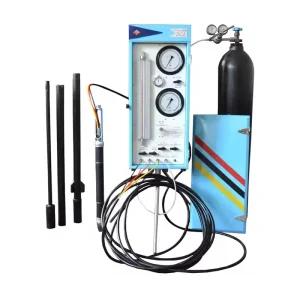
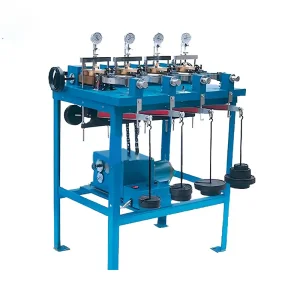
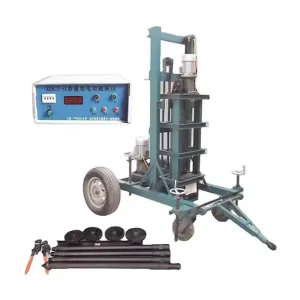
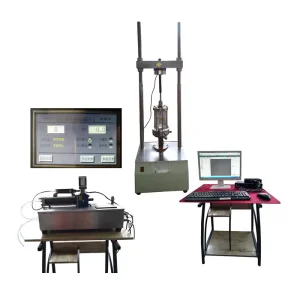
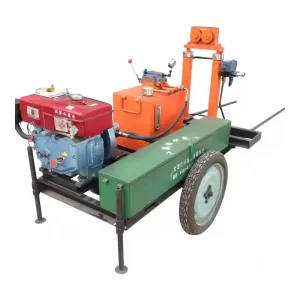
The Japanese civil engineering sector is currently undergoing a massive "Infrastructure Resilience" phase. Following the Great East Japan Earthquake, the demand for high-precision soil liquefaction testing has skyrocketed. Companies are seeking advanced Automatic Triaxial Test systems and Static Cone Penetration (CPT) tools to map sub-surface stability for high-speed rail (Shinkansen) expansions and urban redevelopment in Osaka and Nagoya.
Global vs. Local: The Technology Gap & Convergence
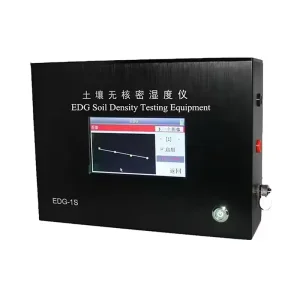
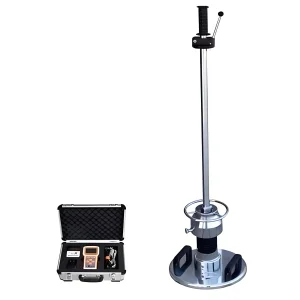
Globally, the industry is moving toward "Digital Twins" and remote site monitoring. In Japan, this is manifesting as i-Construction—a Ministry of Land, Infrastructure, Transport and Tourism (MLIT) initiative to promote ICT in construction. Our equipment, such as the Non-Nuclear Electrical Density Gauge (EDG), aligns with this vision by providing instant, digital results without the regulatory burden of nuclear materials, a significant concern in post-Fukushima Japan.