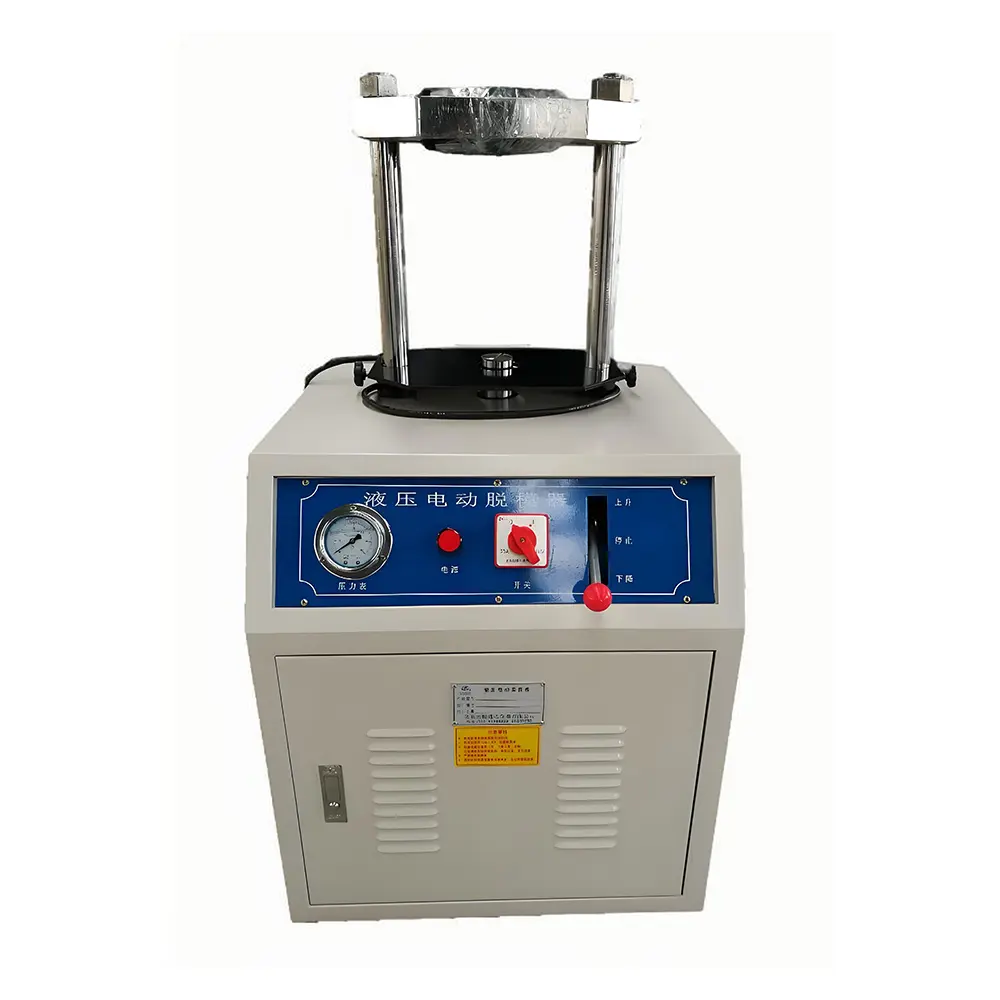
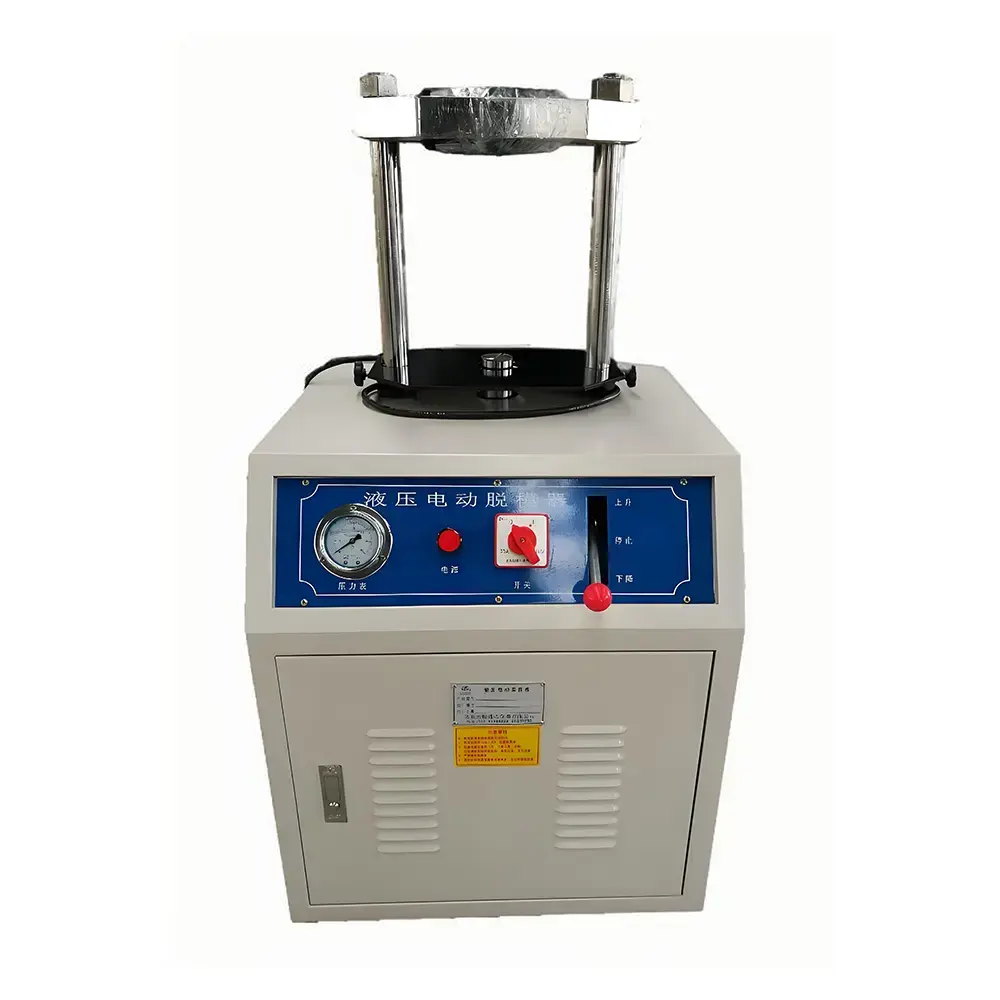
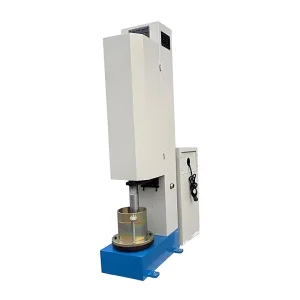
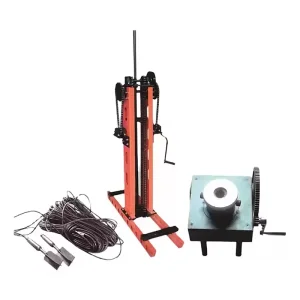
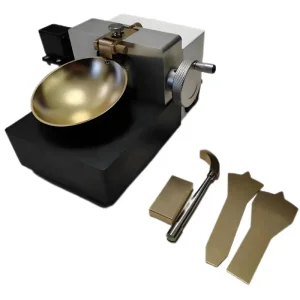
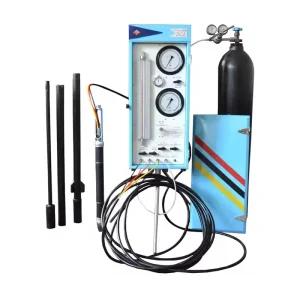
The Soil Extruder is a specialized laboratory instrument designed for the efficient removal of test specimens from various molds. It is compatible with specimen diameters of 50mm, 100mm, 101.6mm, 150mm, and 152mm, with a maximum specimen height of 230mm. This equipment is engineered for ease of operation, significantly reducing manual labor while ensuring sample integrity during the extraction process.
●
Non-destructive Separation: Safely separates compacted soil samples (such as ring cutter and cylindrical samples) from the mold for precise subsequent analysis.
●
Mold Versatility: Suitable for rapid demolding of both metal and plastic molds, minimizing potential damage to the soil structure.
●
Wide Application: Ideal for soil mechanics experiments, soil density detection, and advanced agricultural research.
Frequently Asked Questions (FAQ)
What specimen sizes can this soil extruder handle?
The extruder is compatible with diameters of 50mm, 100mm, 101.6mm, 150mm, and 152mm, with heights up to 230mm.
What is the maximum pressure force of the machine?
The equipment provides a maximum force of 200kN, ensuring smooth extraction of highly compacted samples.
Is the extraction process safe for the soil samples?
Yes, it is designed for non-destructive separation to maintain the integrity of cylindrical and ring cutter samples for laboratory testing.
What are the power requirements for operation?
The machine operates on a 380V voltage supply with a 750W motor power.
In which fields is this equipment typically used?
It is commonly used in civil engineering labs, soil mechanics research, density detection projects, and agricultural soil analysis.
What is the rising and descending speed of the piston?
The rising speed is 170mm/min, and the rate of descent is 200mm/min for efficient workflow.
 Zealchon Electronic