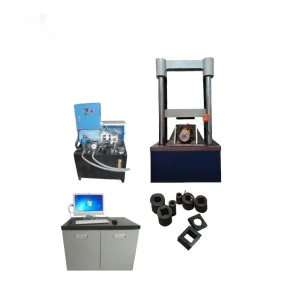
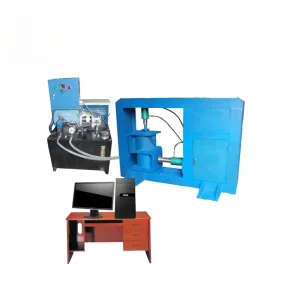
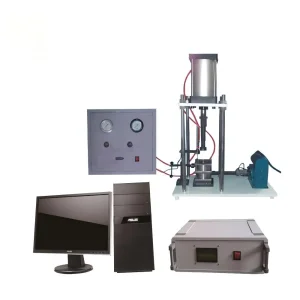
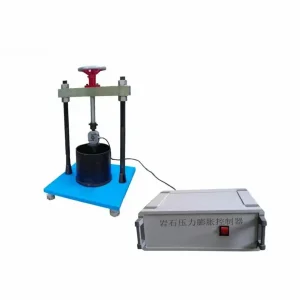
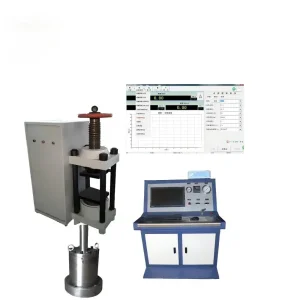
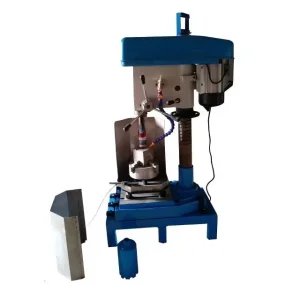
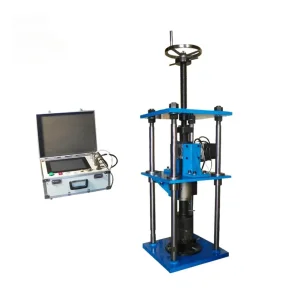
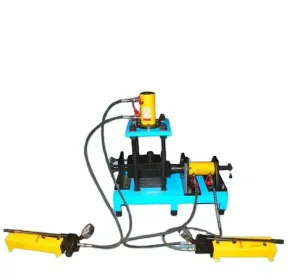
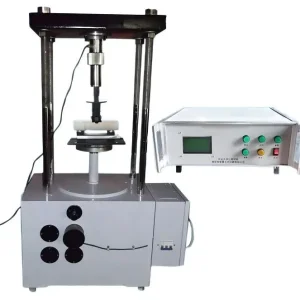
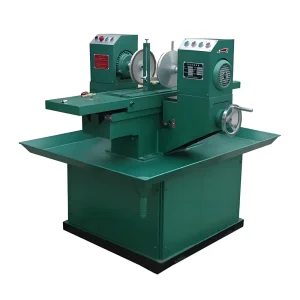
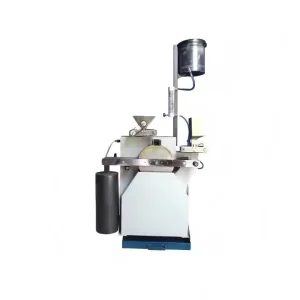
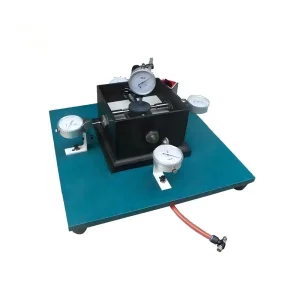
High-performance instruments calibrated for the rigorous DIN EN and Eurocode standards.
Berlin’s geological profile is characterized by its complex glacial history. For structural engineers and contractors working on major infrastructure projects—such as the U5 Subway extension or the Tesla Giga Berlin expansion—understanding the mechanical properties of deep-seated rock and soil layers is non-negotiable. While Berlin is famous for its "Berliner Sand," large-scale civil engineering often encounters stiff clays and deep bedrock formations that require precise rock mechanics analysis.
Our rock lab testing equipment provides manufacturers and construction firms in Berlin with the data necessary to ensure structural integrity under the Eurocode 7 framework. From uniaxial compressive strength (UCS) to complex triaxial and shear testing, we bridge the gap between global manufacturing excellence and local German engineering precision.
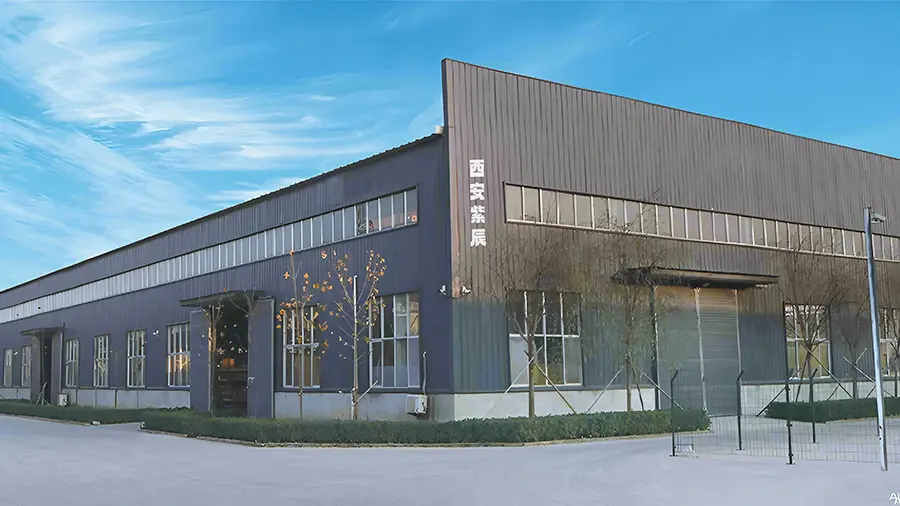
Leveraging 15+ years of civil engineering innovation to serve the German market.
Located in the high-tech development zone of the ancient city of Xi'an, we have established a reputation for manufacturing qualitative arrays of research and laboratory testing equipment. Our background in civil engineering research is deep-rooted, collaborating with institutions like Chang'an University and Xi'an University of Technology.
Our "Xiya" trademark is synonymous with precision in Shaanxi Province and is now making significant inroads into the European market, specifically catering to the Berlin industrial hub. We specialize in:
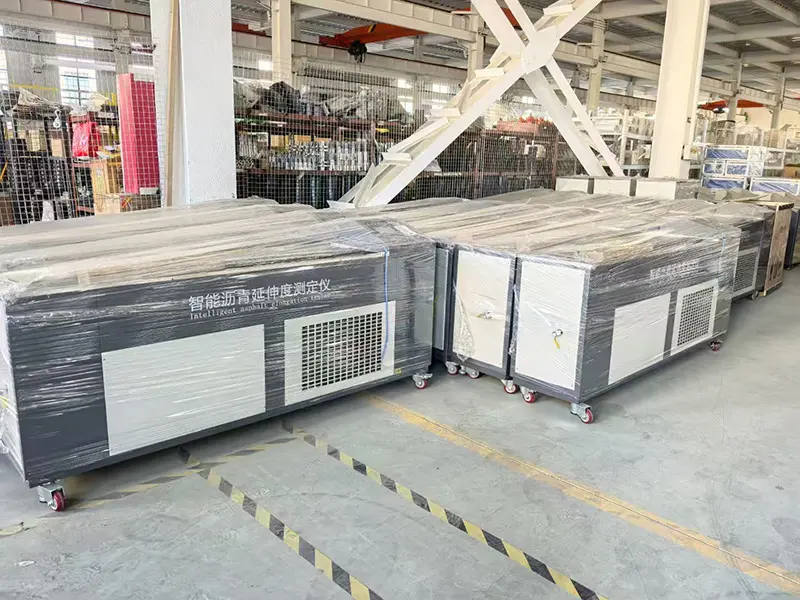
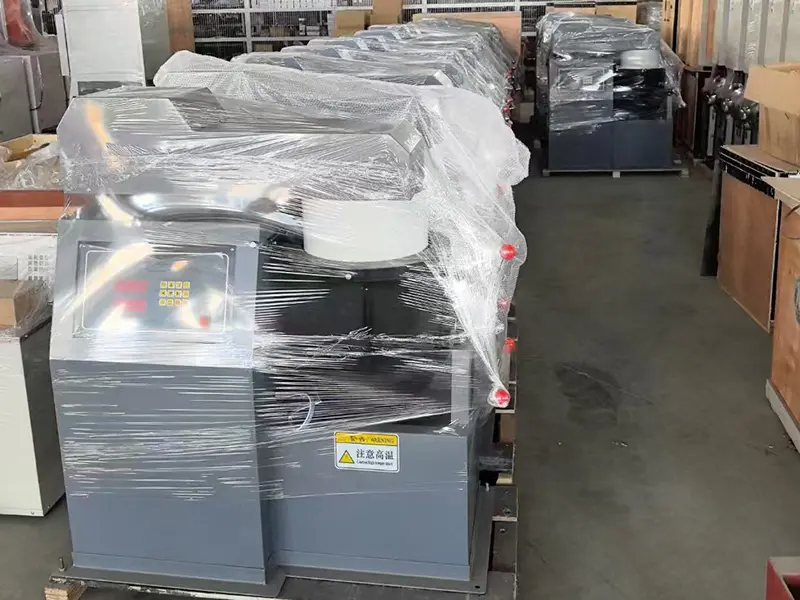
The global rock testing market is undergoing a digital transformation. As we look towards "Construction 4.0," the integration of AI-driven data analytics and real-time sensor monitoring is becoming the standard. In Berlin, where geotechnical risks can lead to multi-million Euro delays in public transport projects, the "Information Gain" from high-fidelity lab tests is the best insurance policy.
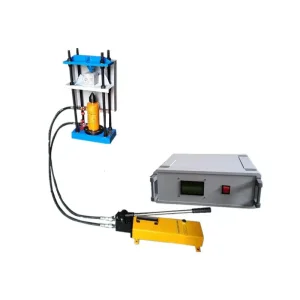
Our technical route focuses on Automation and Connectivity. Modern Rock Shear Strength Testing Machines are no longer isolated units; they are nodes in a digital ecosystem. By utilizing high-precision load cells and LVDTs (Linear Variable Differential Transformers), our machines capture the micro-deformations of rock samples, feeding data directly into BIM (Building Information Modeling) software used by Berlin’s top architectural firms.
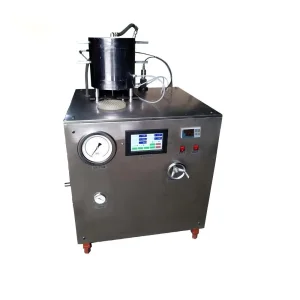
Furthermore, sustainability is a key driver. Berlin’s commitment to geothermal energy requires rigorous testing of rock permeability and thermal expansion. Our Automatic Rock Liquid Permeameters are specifically utilized in assessing the viability of deep geothermal reservoirs, helping Germany transition to a greener heating grid.
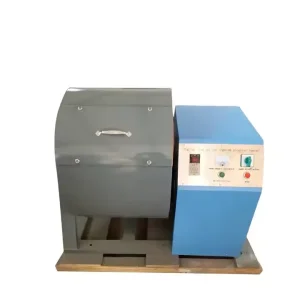
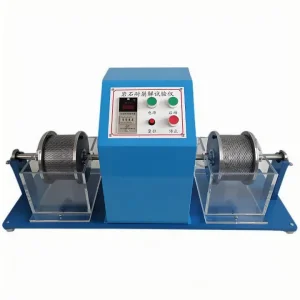
From the macro perspective, we address the global challenge of "Site-Specific Rock Variability." By providing tools like the Los Angeles Splitter and Slake Durability Test Apparatus, we help engineers quantify the long-term weathering potential of aggregates used in the Autobahn network and high-speed rail tracks connecting Berlin to Hamburg and Munich.
Testing rock core samples from the U-Bahn expansion routes to determine shear strength and drilling resistance, optimizing TBM (Tunnel Boring Machine) performance.
Ensuring the load-bearing capacity of rock layers for skyscrapers in Potsdamer Platz using Uniaxial Compression and Point Load Tests.
Utilizing permeability and expansion testers to evaluate the feasibility of district heating projects in the Brandenburg basin.
Migration from manual hydraulic systems to fully computer-controlled servo-hydraulic testing, ensuring zero human error in Berlin lab environments.
Developing cloud-based platforms where test results from our machines can be instantly compared against historical geological data of Berlin's subsoil.
Using machine learning to predict long-term rock fatigue and creep based on short-term high-precision laboratory data.
Advanced equipment for every stage of geotechnical investigation.
 Zealchon Electronic