High-precision diagnostic equipment optimized for Irish highways, runway surfaces, and municipal infrastructure audits.
The transportation infrastructure of Ireland is undergoing its most comprehensive structural upgrade cycle in recent history. Driven by the Irish Government’s Project Ireland 2040 and the National Development Plan (NDP) 2021-2030, capital investment in national primary roads, secondary routes, and regional transport channels has reached unprecedented levels. Operating under the strategic oversight of Transport Infrastructure Ireland (TII), engineers, highway designers, and contractors must comply with stringent national specifications, such as the TII Publications (Standards) series, to ensure structural longevity and commuter safety.
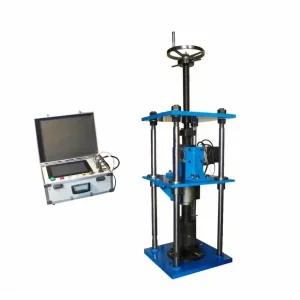
Due to Ireland's unique maritime temperate climate, the country's pavement networks face distinct geological and weather-induced challenges. Annual precipitation levels, which range from 750 mm in the East to over 1,500 mm in the mountainous West, mean subgrade soils are regularly saturated. Peat and soft alluvial subgrades are common across the Midlands and West Coast regions, making accurate laboratory characterization of pavement layers essential. Under saturated conditions, failure to perform high-resolution subgrade torsional shear testing, dynamic cone penetration (DCP) profiling, and surface roughness surveys leads to accelerated fatigue cracking, moisture damage, and premature rutting.
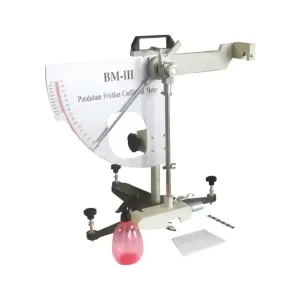
According to TII DN-PAV-03023 (Pavement design guidelines) and I.S. EN standards, all unbound mixtures and bituminous layers deployed on national routes must undergo rigorous mechanical testing. From IRI (International Roughness Index) monitoring of asphalt wearing courses to skid resistance assessments via British Pendulum Testers, quality compliance is not optional—it is a legal and structural mandate.
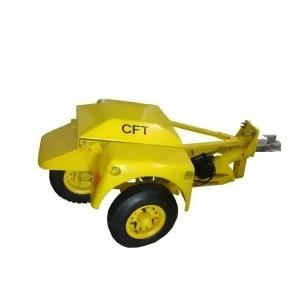
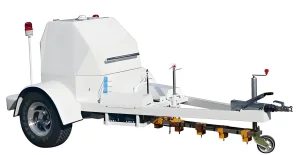
Irish civil engineering consultants and regional laboratory networks frequently deal with glacio-lacustrine deposits and organic peat subgrades. These soil structures require accurate load-bearing characterization using automated dynamic cone penetrometers (DCP) and trailer-mounted falling weight deflectometers (FWD) to evaluate mechanical response under load. The high moisture susceptibility of typical Irish aggregates requires precise moisture sensitivity testing (such as indirect tensile strength ratios) and detailed pavement material wear fatigue evaluation in laboratory conditions prior to site delivery.
Key technical criteria for procurement departments in public-private partnerships (PPP) and national laboratories.
Laser distance sensors with 0.1mm resolution for microtexture and IRI profiling, ensuring data validity across diverse asphalt textures.
Field verification routines using certified standard plates for British Pendulums and multi-point calibration for Dynamic Deflectometers.
IP65-rated enclosures and heat-stabilized laser assemblies designed to operate reliably in high-humidity Irish coastal zones.
The global pavement diagnostics sector has transitioned from destructive core extraction testing to non-destructive, high-speed automated evaluation. For asset managers, this reduces road closure costs and minimizes traffic disruptions on busy arteries like the M50 in Dublin, the M8 in Cork, or the M7 in Limerick. Advanced methodologies, such as continuous laser profilometer runs and FWD load deflection modeling, allow testing teams to gather structural data at highway speeds or with minimal lane closures.
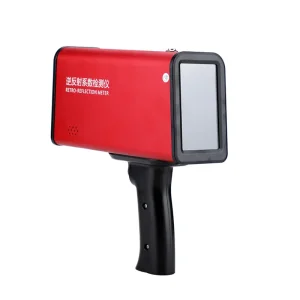
Traditional asset management evaluated road roughness and structural capacity independently. Today, integrated testing protocols capture pavement safety metrics in a single pass. This includes combining IRI measurements with real-time pavement macrotexture depth (using high-speed line-scan lasers) and retroreflectivity indexes of road markings. Measuring these parameters together helps road authorities map friction index changes relative to marking degradation, improving predictive safety modeling for wet weather conditions.
This integration supports proactive maintenance strategies, transitioning work from reactive repairs to preventative surface treatments. By monitoring IRI patterns, skid resistance deterioration, and retroreflectivity trends, engineers can schedule interventions like surface dressing or micro-surfacing before structural base failures occur. This approach extends pavement service life, reduces lifecycle greenhouse gas emissions, and optimizes maintenance budgets.
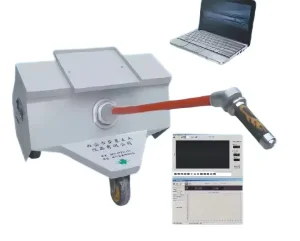
Walk-behind and vehicle-mounted systems capture continuous longitudinal profiles for accurate IRI calculations.
British Pendulum testers and continuous friction wheels analyze microtexture slip risks on wet pavements.
Falling Weight Deflectometers simulate wheel loads up to 120 kN to measure structural deflection basins.
Navigating the logistics of sourcing specialist testing equipment requires careful attention to compliance, standard verification, and local maintenance support. For laboratories in Ireland, ensuring all machinery is CE-marked and meets EN standards is essential. Zealchon supports procurement teams from initial specification review to delivery, commissioning, and annual calibration cycles.
Need specific equipment customized to meet TII technical standards or Irish municipal guidelines? Fill out an inquiry form for detailed pricing and lead times.
A specialized manufacturer of civil engineering testing instruments and laboratory research solutions.
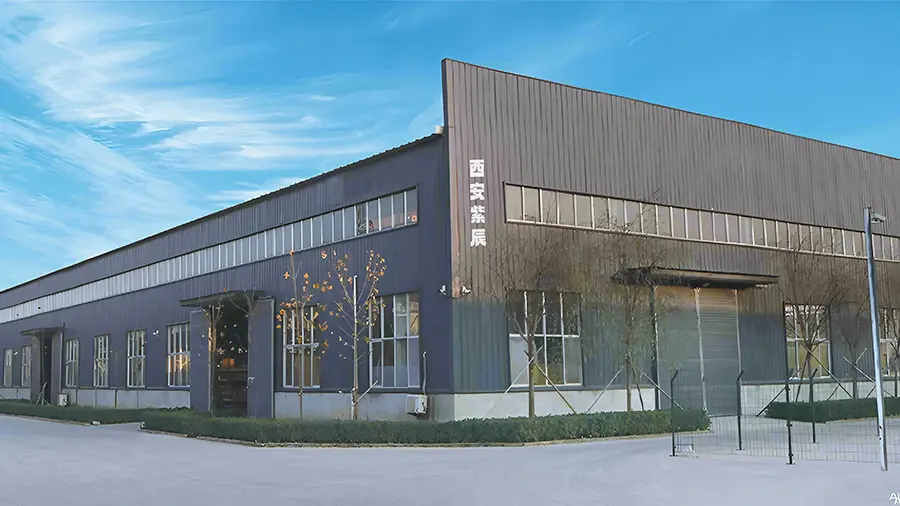
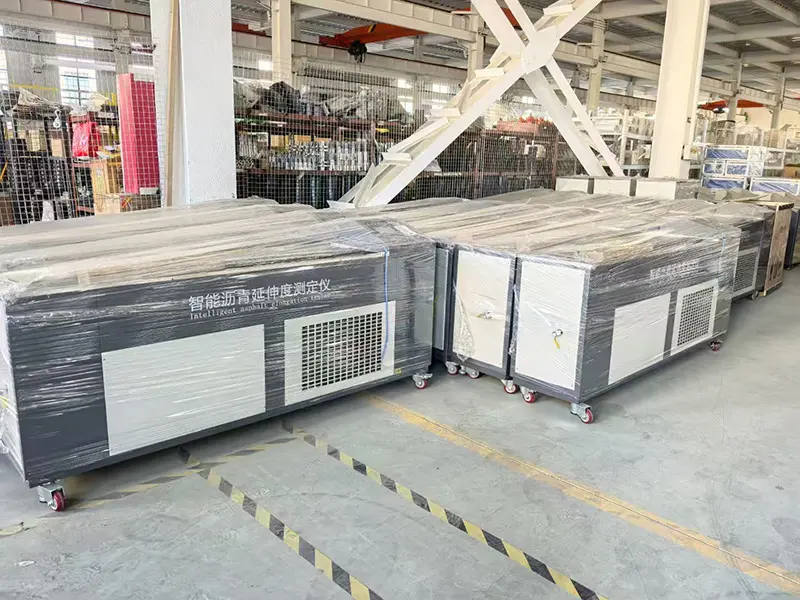
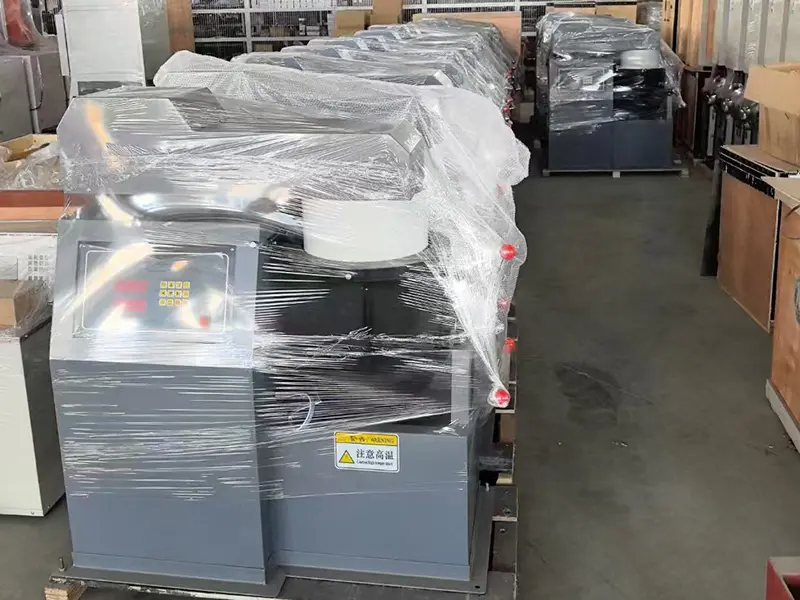
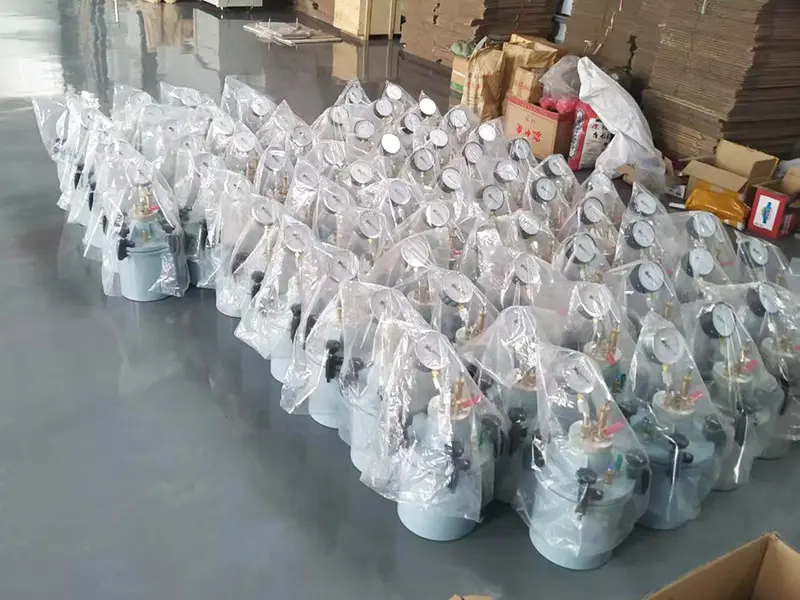
With over 15 years of civil engineering background, Xi'an Zealchon Electronic Technology Co., Ltd is located in the New Technology Industry Development Zone in Xi'an, China. Operating from a 7,500 square meter manufacturing facility, we specialize in the design, manufacture, and global distribution of testing instruments for roads, bridges, geotechnical, structural, and airport engineering.
Our academic collaborations with researchers and professors from institutions like Chang'an University Highway College, Air Force Engineering University, and Xi'an University of Technology support our product development. Under this expert guidance, we have developed professional testing instruments for asphalt concrete pavement structures, dynamic cone penetration, retroreflection, and soil dynamics.
Our product trademark "Xiya" is a registered trademark of Shaanxi Province, reflecting our focus on quality control, structural reliability, and technical support.
Integrating digital data capture, automated analysis, and modern materials testing.
The field of pavement diagnostics is moving toward digital data integration, real-time reporting, and increased automation. As road agencies work to optimize maintenance budgets and reduce field inspection times, laboratory and field equipment must adapt. Zealchon's product development roadmap focuses on these industry shifts:
Modern testing equipment now goes beyond analog gauges and isolated digital readouts. Our current product designs incorporate microprocessors with integrated Wi-Fi or Bluetooth connectivity. This allows test data—such as dynamic subgrade deflection profiles or direct shear strength values—to be uploaded directly to Laboratory Information Management Systems (LIMS). Direct logging helps reduce manual transcription errors and speeds up reporting for project engineers.
For surface surveys, our laser-based roughness index (IRI) profiling instruments and texture depth systems are designed to provide continuous data streams. By combining laser measurement with GPS coordinates, operators can map pavement defects and texture variations directly to geographic location points, supporting local asset management databases.
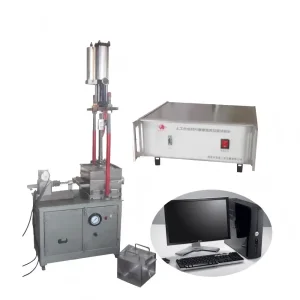
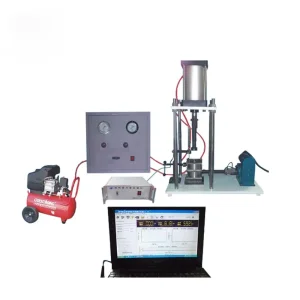
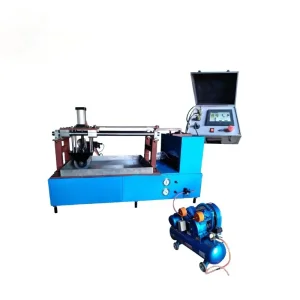
With the road construction sector working to reduce carbon emissions, the use of Warm Mix Asphalt (WMA), Recycled Asphalt Pavement (RAP), and polymer-modified binders is increasing. Testing these materials requires laboratory fatigue and wear testers that can simulate traffic loading and thermal stress. Our high-accuracy pavement material wear fatigue testers are designed to evaluate the performance of these alternative binders and mixtures before field deployment.
Zealchon continues to update our testing apparatus in line with standard revisions, ensuring our instruments help civil engineering laboratories meet changing regulatory requirements.
Technical details, shipping, and calibration support for Irish pavement laboratories.
Field instrumentation and laboratory machinery for quality control and structural health monitoring.
 Zealchon Electronic