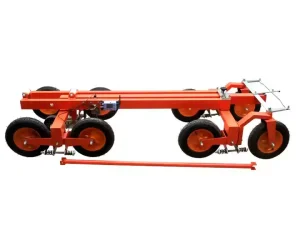
As the economic engine of Italy and a crucial logistics corridor connecting Southern Europe with the rest of the continent, the Metropolitan Area of Milan and the wider Lombardy region present unique challenges to civil engineers and infrastructure developers. The arterial network surrounding Milan, including the high-capacity Autostrada A4 (Torino-Trieste), the dense Tangenziali (A50, A51, A52), and transit hubs like Milano Malpensa (MXP) and Milano Linate (LIN) Airports, experience some of the highest freight and passenger traffic densities in Europe.
For these corridors, pavement wear is not simply a maintenance annoyance—it is a critical economic risk factor. Managing surface deterioration requires sophisticated pavement laboratory testing instruments capable of delivering high-accuracy data on material fatigue, mechanical shear, surface roughness, dynamic subgrade cone penetration, and reflective safety coefficients. Local municipal authorities, civil contractors, and specialized commercial laboratories in Milan rely heavily on advanced instrumentation that meets stringent European Norm (EN) standards to maintain strict QA/QC protocols.
Did you know? In alignment with Italy's PNRR (Piano Nazionale di Ripresa e Resilienza) initiatives, regional agencies in Lombardy are shifting from reactive road maintenance to predictive asset management using continuous automated IRI (International Roughness Index) profiling systems.
Comprehensive pavement analysis involves assessing both the surface functional properties and structural mechanical characteristics. Functional properties control vehicular safety and comfort, measured via IRI and longitudinal friction coefficient values. In Milan’s varied microclimate, which features damp winters and extremely hot, humid summers, asphalt mixtures face complex aging processes. The thermal cycling accelerates rutting and cracking, which are measured using dynamic direct shear testing and dynamic cone penetrometer (DCP) evaluation.
By understanding the macrotexture (texture depth) and microtexture (skid resistance), local engineering laboratories can optimize stone mastic asphalt (SMA) and porous asphalt mixtures. Our equipment range provides these exact testing values, yielding actionable insights for research institutes and state agencies alike.
Modern transportation engineering is witnessing a digital transformation. The traditional core-and-break method of inspecting highways is being replaced with non-destructive testing (NDT) technologies that minimize lane closures and deliver continuous, spatial diagnostics. Key macro-industry trends include:
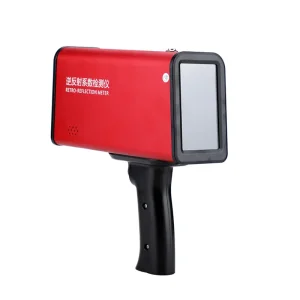

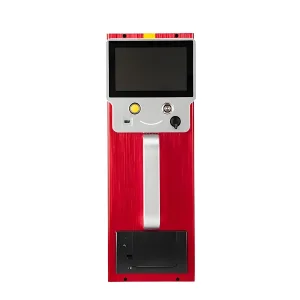
With more than 15 years of civil engineering background, located in the High-New Technology Industry Development Zone in Xi'an, Zealchon occupies a state-of-the-art facility spanning over 7,500 square meters of building area. We are a prominent manufacturer and global supplier of high-precision testing instruments. Our equipment catalog serves vital sectors including civil engineering, geological survey, water conservancy and hydropower, highway networks, rail transit, and aviation runway management systems.
Zealchon specializes in the manufacturing and distribution of a qualitative array of laboratory testing hardware. Our core capabilities are split into two leading innovation branches: high-accuracy civil engineering test apparatus and advanced semiconductor laser research.
Through cooperative efforts with top professors and researchers from prestigious academic institutions like the Chang'an University Highway College, Air Force Engineering University, and Xi'an University of Technology, we have developed a broad spectrum of proprietary testing solutions. Some of these innovative systems have bridged industry gaps and garnered ministerial and provincial technology awards.
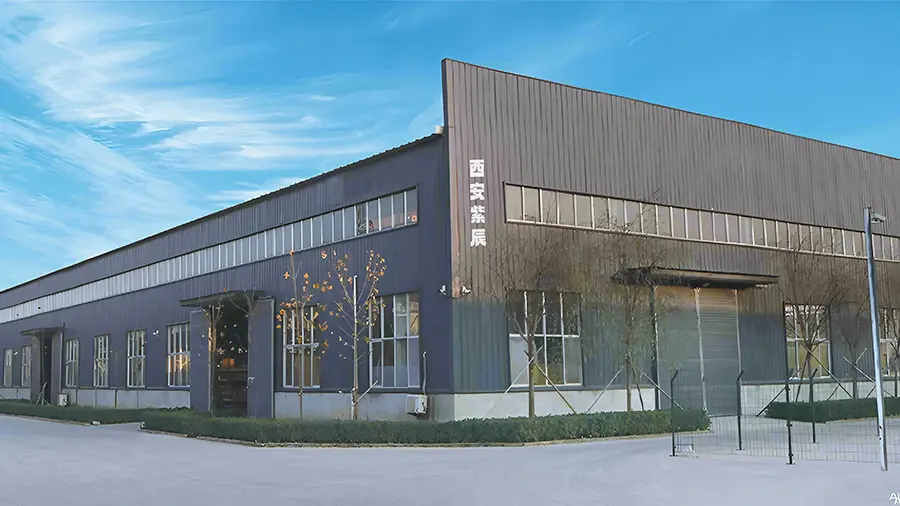
Our dynamic production workshop is outfitted with modern machining centers, precision CNC lathes, automated milling machines, planers, surface grinders, shearing machines, bending systems, and specialized argon arc welding stations. This extensive in-house capability guarantees that every instrument we ship features exact dimensional alignment and long-term mechanical reliability.
Our products are manufactured under the recognized "Xiya" trademark, rated as a prominent trademark of Shaanxi Province. Our systems are routinely chosen to substitute expensive imports and have solved core analytical challenges on high-stakes road construction sites.
Our engineering team includes researchers and technical specialists originating from Chang'an University, Xi'an Polytechnic University, and Xi'an Petroleum University. This gives our research division unique access to the latest developments in materials science.
Our technology has completed and matched various domestic and international standards (EN, ASTM, AASHTO). Several of our analytical instruments have earned prestigious national, ministerial, and provincial scientific progress awards.
Over the past 15 years, our systems have been successfully integrated into testing labs, academic facilities, highway authorities, and ready-mix production plants worldwide.
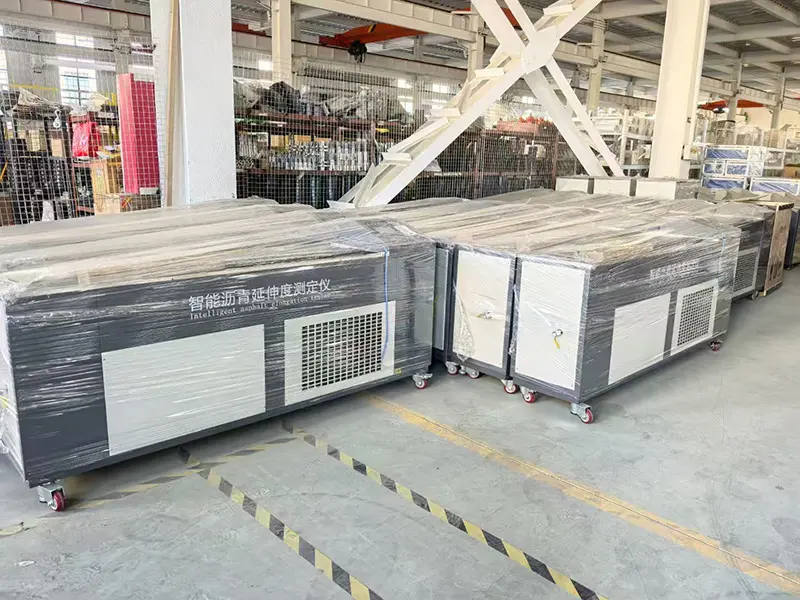
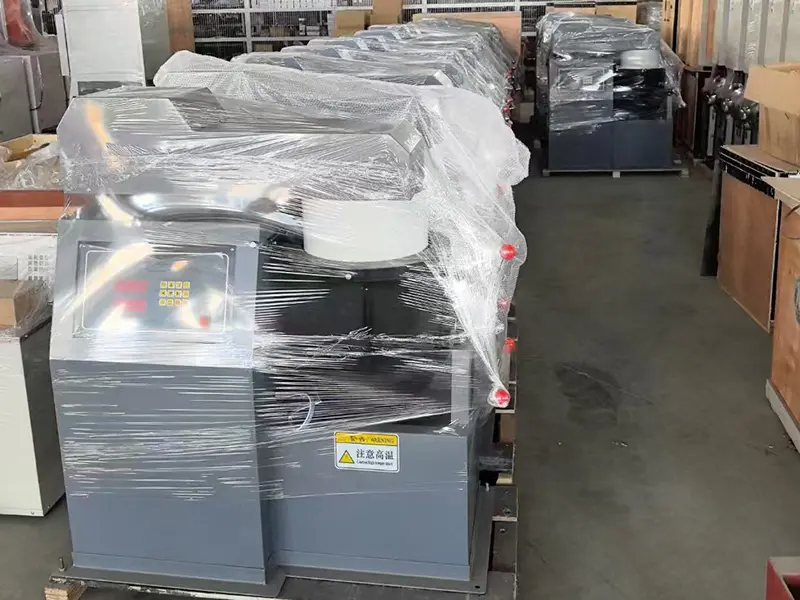
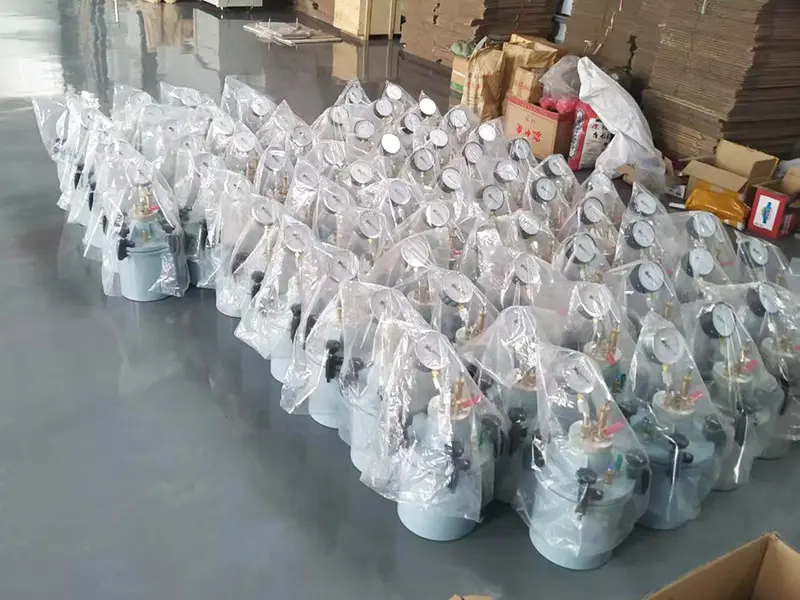
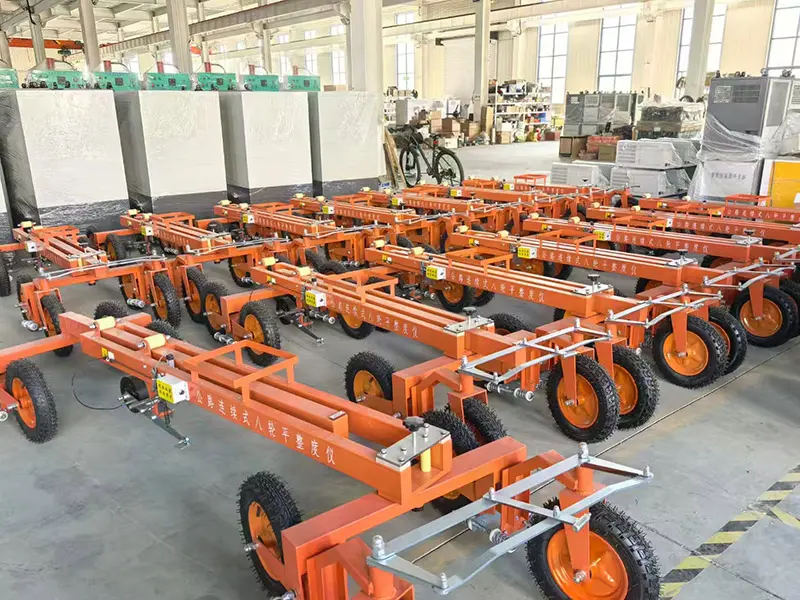
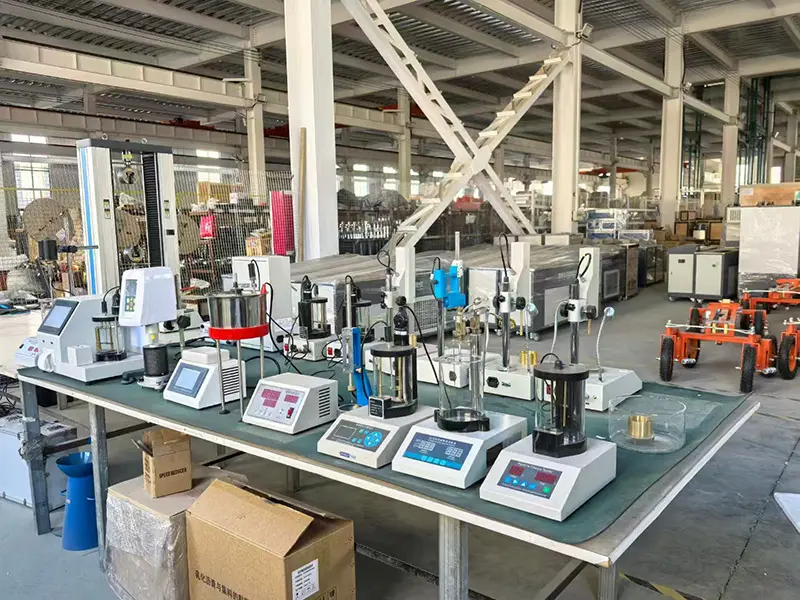
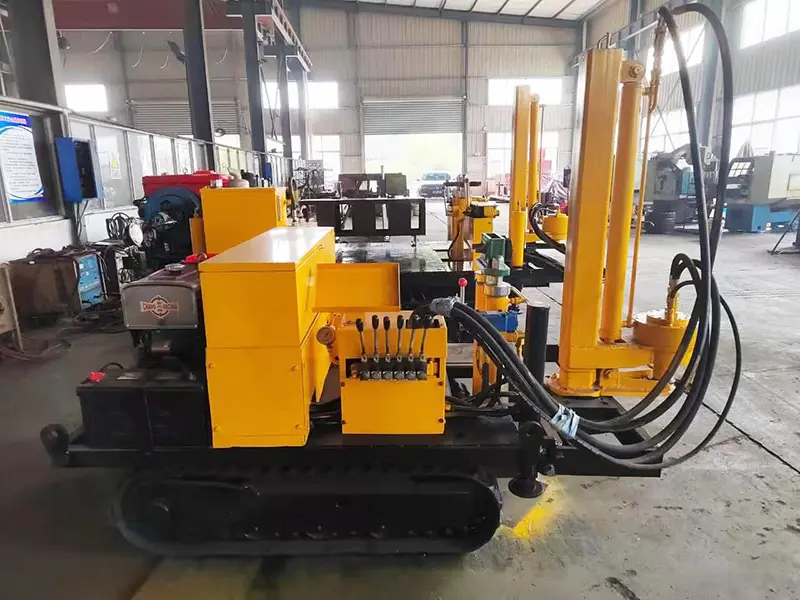
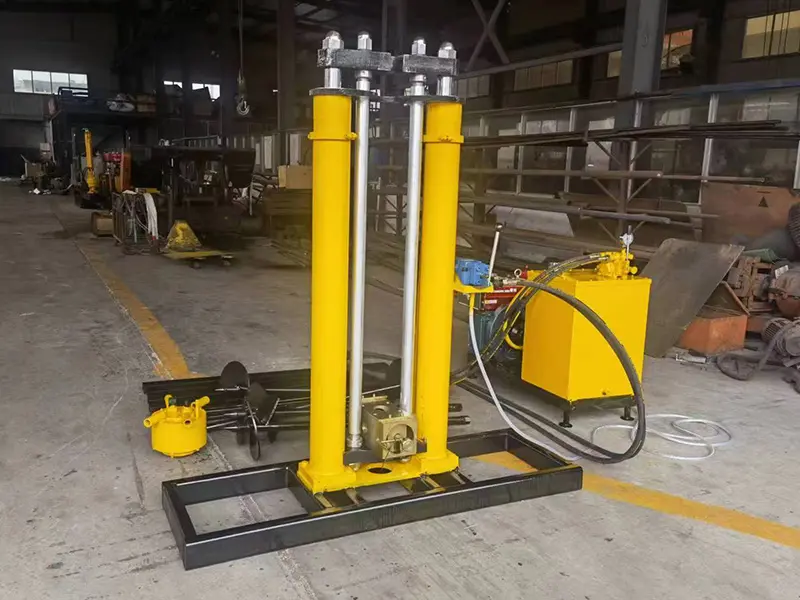
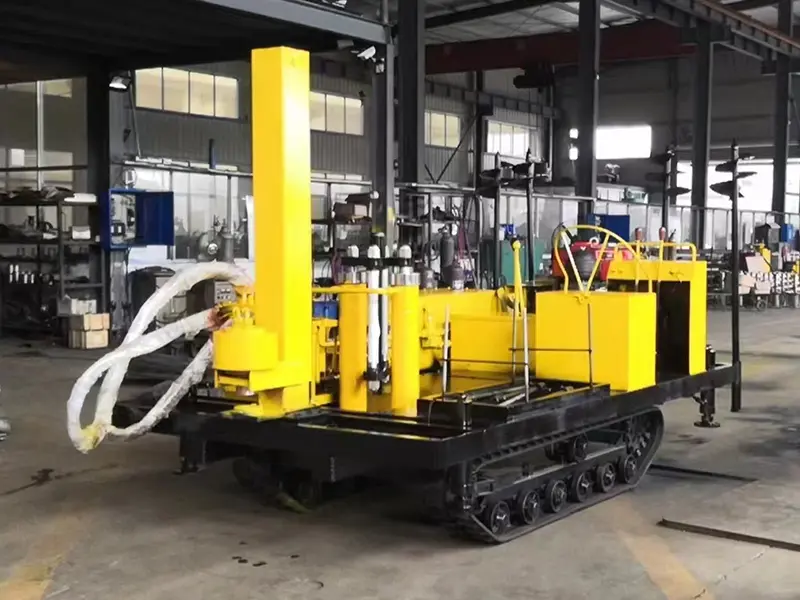
We continuously align our engineering processes with emerging regional directives and global testing standards (ASTM, EN, AASHTO). Our production runs undergo dynamic, multi-tier QA inspections to prevent manufacturing anomalies and ensure field reliability.
Guided by structural integrity, honesty, and client cooperation, we position the customer's diagnostic goals at the center of our development. We offer technical customization, helping clients tailor testing machines for specific environmental and material variables.
We offer our "Three-Guarantee" assurance: repair, replacement, or refund in the event of component failure under normal operating parameters, backed by a comprehensive 1-year product warranty. We also supply global technical calibration support.
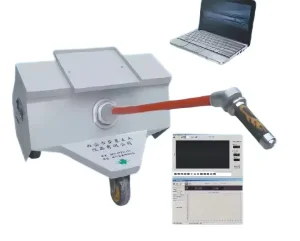
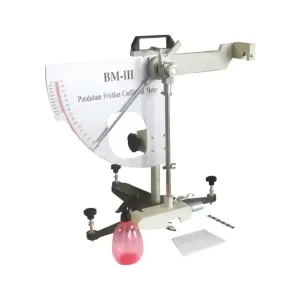
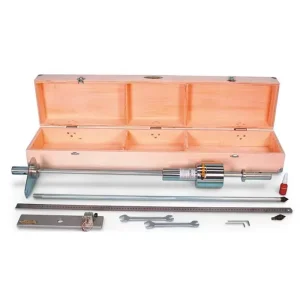
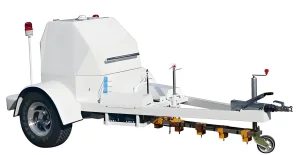
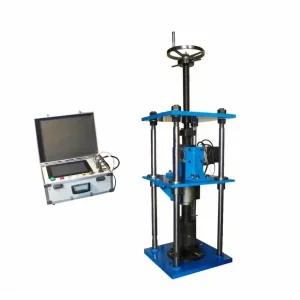
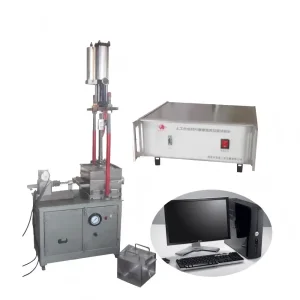
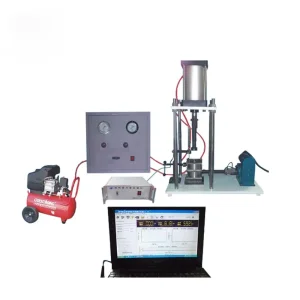
In Italy, civil works are strictly governed by the UNI (Ente Italiano di Normazione) and European Norms. Our testing instruments are designed to address the detailed analytical frameworks of the following regulations:
By ensuring that our dynamic cone penetrometers, retroreflectometers, falling weight deflectometers, and direct shear machines align with these codes, we provide laboratory managers in Milan with legally defensible QA/QC records, essential for bidding on public infrastructure tenders and highway contracts.
The future of pavement diagnostics lies in the integration of edge computing, Internet of Things (IoT) sensors, and predictive neural network algorithms. Zealchon is actively developing the next generation of testing systems:
Get in touch with our applications engineering division today to receive customized technical parameter configurations, pricing details, and lead-time options for Milan and international delivery destinations.
 Zealchon Electronic