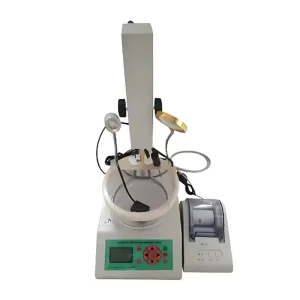
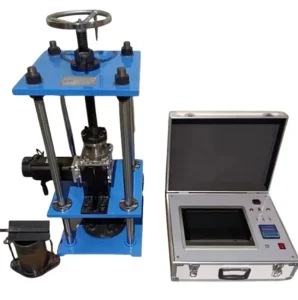
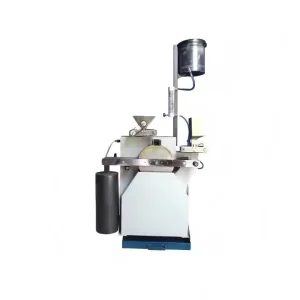
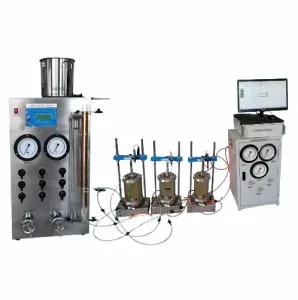
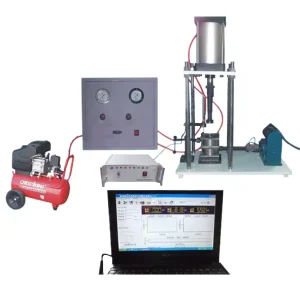
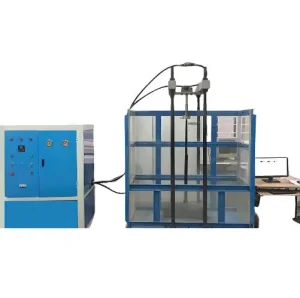
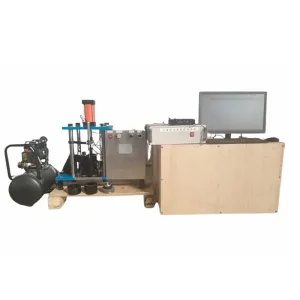
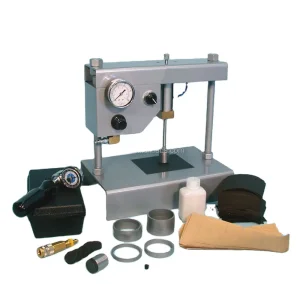
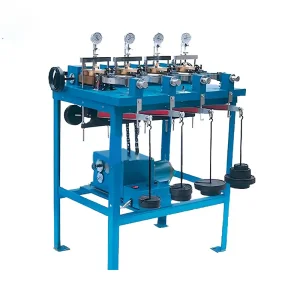
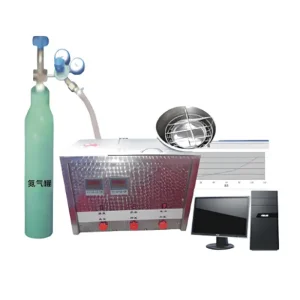
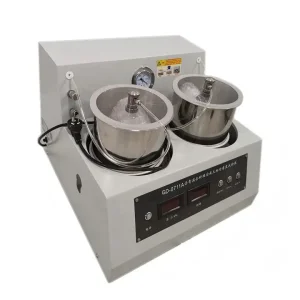
In the modern era of civil engineering, Dynamic Shear Rheometer (DSR) test results have transitioned from laboratory curiosities to the backbone of global pavement design. As climate change increases thermal stress on road networks, the ability to characterize bitumen's viscoelastic behavior under varying temperatures and frequencies is no longer optional—it is a regulatory mandate.
Xi'an Zealchon Electronic Technology Co., Ltd. presents this technical guide to help procurement officers and lab directors navigate the complexities of DSR data, SHRP standards, and the economic variables influencing current market quotes.
Years Experience
M² Building Area
Lab Benchmarks
Global Patents
Global construction conglomerates are increasingly centralizing their DSR procurement to ensure cross-border consistency in Performance Grade (PG) binder reporting. A standardized DSR test result ensures that a binder used in Southeast Asia meets the same rutting resistance criteria as one in the European Union.
Macro industry solutions now focus on "Perpetual Pavements." DSR data—specifically the Complex Shear Modulus (G*) and Phase Angle (δ)—are critical for predicting the 50-year life cycle of highways, significantly reducing the Total Cost of Ownership (TCO) for government agencies.
With the rise of Recycled Asphalt Pavement (RAP), DSR testing is essential for determining the blending efficiency between aged binders and rejuvenators. Our quotes include specialized software modules for RAP analysis.
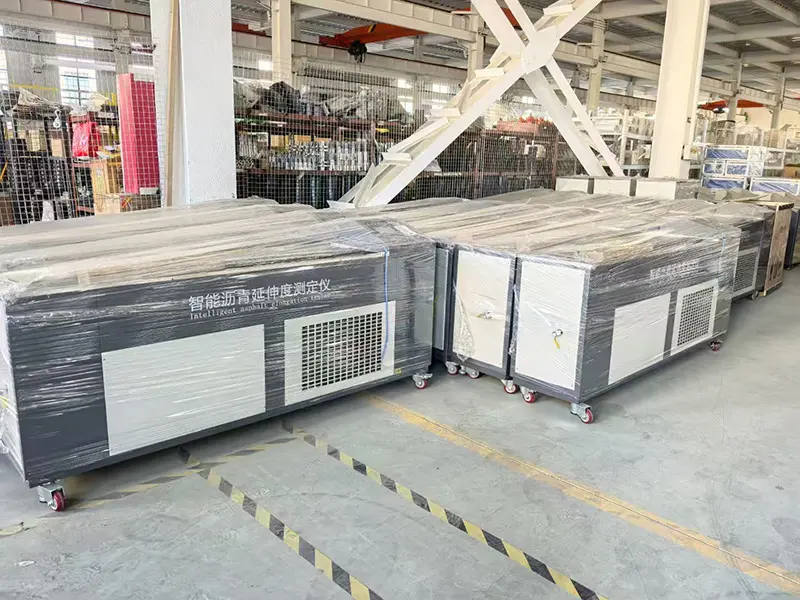
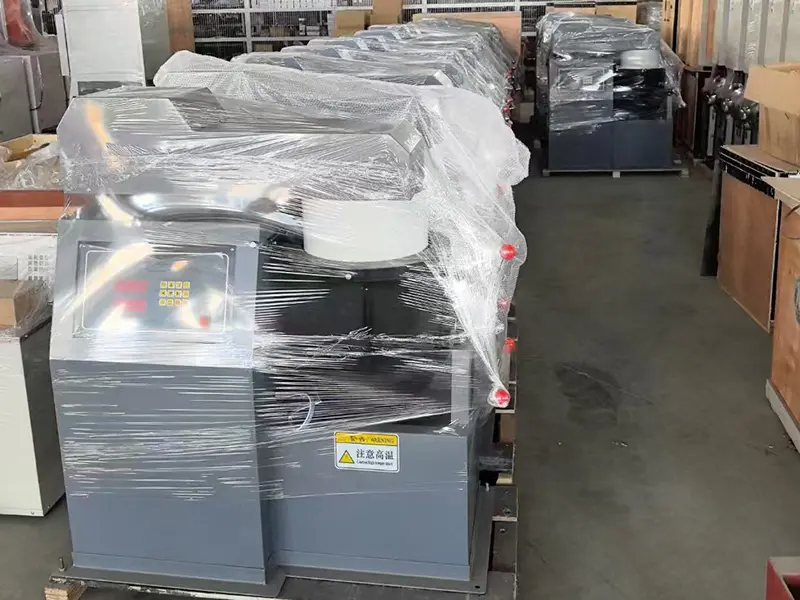
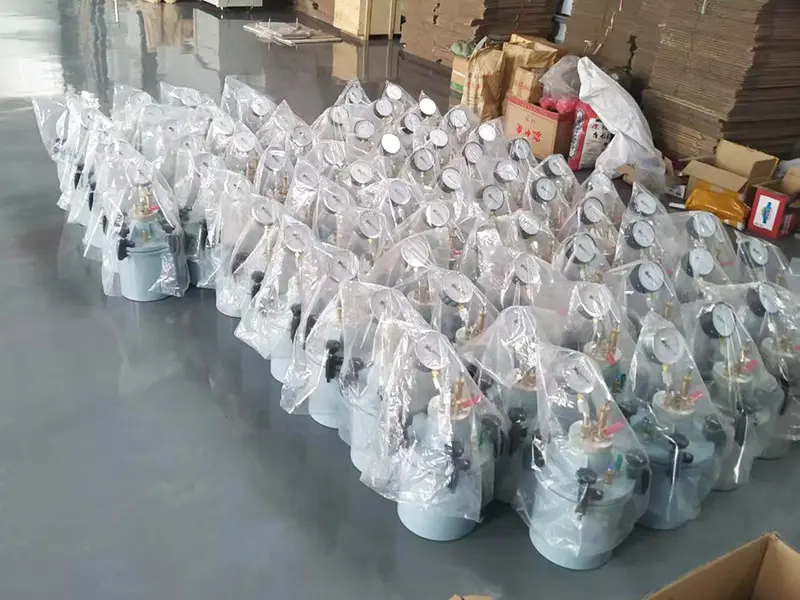
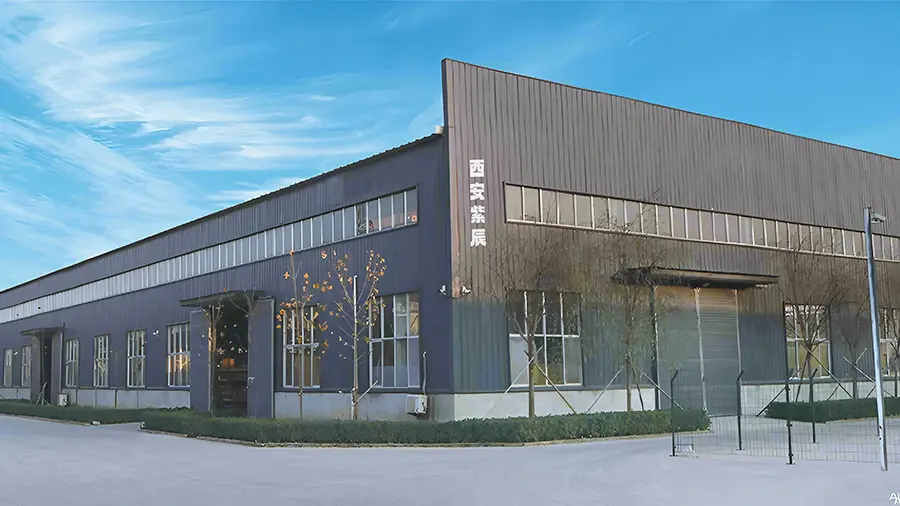
Located in the ancient city of Xi'an, Xi'an Zealchon Electronic Technology Co., Ltd. operates at the intersection of traditional civil engineering and high-tech semiconductor research. With over 15 years of background, we manufacture testing instruments for roads, bridges, and airports worldwide.
The next generation of DSR devices will feature automated result validation using Machine Learning. Our roadmap includes predictive algorithms that forecast Long-Term Pavement Performance (LTPP) directly from short-term aging DSR data.
Transitioning from traditional G*/sin δ to Multiple Stress Creep Recovery (MSCR). Future DSR models will offer higher sensitivity for polymer-modified bitumen, ensuring better correlation with actual field rutting.
Through IoT-enabled platforms, Zealchon instruments will support remote calibration and cloud-based data storage, ensuring that DSR test results are accessible to global stakeholders in real-time.
We strictly follow national and industry standards. Our production and sales service mechanism ensures every device delivered meets high-precision benchmarks trusted by user units worldwide.
"People-oriented, unity and cooperation, pursuit of excellence." We adhere to the "quality first" principle, ensuring every customer need becomes our working goal.
Our machines are used by government agencies, commercial labs, and universities globally. We provide three guarantees for all products sold, backed by craftsman spirit.
Requesting a quote for DSR testing equipment involves more than just a sticker price. At Zealchon, we analyze your specific project requirements to provide a "Contextual Quote."
Contact our sales team for a localized price list tailored to your region's compliance standards (ASTM, EN, AASHTO).
A: DSR results determine the temperature range where the binder remains viscoelastic. High G* values at high temperatures indicate superior rutting resistance, while phase angle data helps understand the elastic recovery of the material.
A: The Multiple Stress Creep Recovery (MSCR) test is a newer method to evaluate the rutting potential and the presence of elastic response in polymer-modified binders, offering better field correlation than the traditional G*/sin δ parameter.
A: Yes, Zealchon provides comprehensive global logistics support. Our quotes typically include localization, compliance documentation, and options for virtual or physical installation and calibration by our technical team.
A: By collaborating with top-tier research universities and maintaining a 15-year manufacturing track record, we ensure our expertise is grounded in both academic research and industrial reality.
 Zealchon Electronic