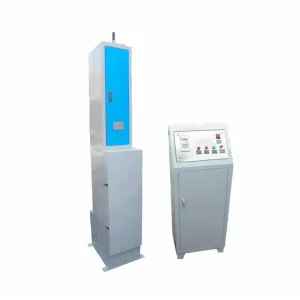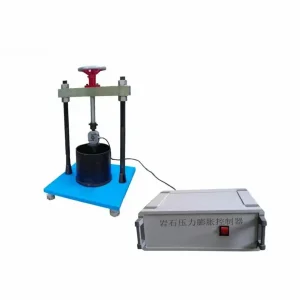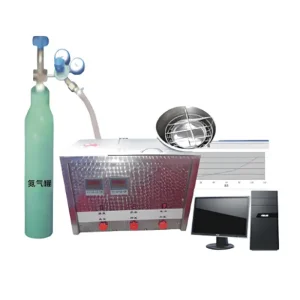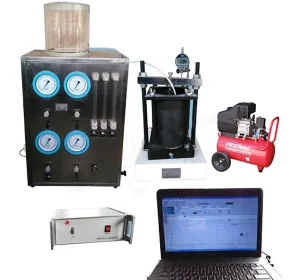
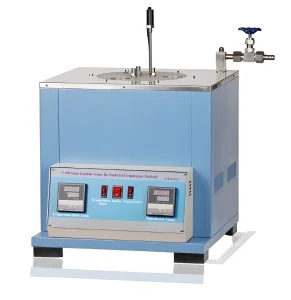
The softening point of bituminous binders, resins, and hot-melt adhesives represents a foundational physical threshold in civil engineering and materials science. Defined technically as the temperature at which a substance attains a specific degree of softness under standardized physical load conditions, the Softening Point Test Apparatus (commonly employing the iconic Ring-and-Ball method adhering to ASTM D36, EN 1427, and ISO 4625 standards) serves as a critical parameter for quality control, rheological modeling, and thermal susceptibility classification.
As global infrastructure projects face unprecedented thermal extremes, heavier axle loads, and stringent durability targets, civil engineers can no longer rely on primitive, manual softening point testing. Modern engineering demands micro-processor-controlled, optically monitored, and automated test apparatuses capable of eliminating human observational error, providing real-time data logging, and delivering ultra-precise heating rates (strictly maintained at 5.0°C ± 0.5°C per minute).
The global demand for high-accuracy civil engineering test instruments is experiencing a structural shift. Worldwide investments in mega-highways, smart airport runways, deep-water port pavements, and high-speed rail ballast beds have accelerated the need for specialized laboratory testing equipment. Global procurement managers and quality assurance directorates are prioritizing suppliers capable of delivering multi-norm compliant apparatuses (bridging ASTM, EN, AASHTO, and GB/T standards) with embedded digital connectivity.
With the widespread implementation of SBS, APP, and crumb rubber-modified asphalt in heavy-duty highways, traditional manual testers fail to accurately detect the softening point of highly viscous binders. Advanced photoelectric sensors are now imperative to capture the exact instant the falling ball breaks the light path.
Modern commercial testing facilities require seamless integration into Laboratory Information Management Systems (LIMS). Custom softening point equipment must output USB, RS-232, or Wi-Fi data packets containing full thermal curves, heating rate ramp profiles, and automated pass/fail indicators.
Strict workplace environmental safety regulations mandate non-toxic fluid media options (such as silicone oil or glycerol) alongside standard distilled water baths, demanding intelligent algorithms capable of auto-switching heating profiles based on liquid medium viscosity.
Technical Insight: The softening point standard test requires a steel ball (3.5g) to drop through a bitumen sample contained in a brass ring as the bath temperature rises at a constant 5°C/min. A variance of even 0.8°C/min in the heating curve can distort the test results by up to 3.2°C, rendering the bitumen batch non-compliant according to ASTM specifications.
As the global manufacturing center for heavy civil engineering testing machinery, China’s industrial ecosystem has evolved from high-volume manufacturing to high-precision smart engineering. The integration of Industry 4.0 paradigms—such as flexible CNC machining centers, automated laser cutting, robotic welding, and digital sensor calibration rigs—has positioned Chinese manufacturers at the forefront of global laboratory equipment supply chains.
Key strategic advantages delivered by advanced Chinese manufacturing hubs include:
| Parameters / Specifications | Conventional Manual Testers | Zealchon Next-Gen Automatic Systems |
|---|---|---|
| Temperature Control Accuracy | ±1.5°C (Manual burner/heater adjustment) | ±0.1°C (Microprocessor PID control) |
| Detection Mechanism | Visual eye observation (High error rate) | High-precision Infrared Laser Sensors |
| Heating Rate Ramp | Fluctuating (Non-linear) | Strict 5.0°C/min ± 0.2°C dynamic ramp |
| Stirring Speed Regulation | Uncontrolled manual paddle | Magnetic stepless stirring (0-300 RPM) |
| Data Export & Connectivity | Manual paper logbook | USB / RS485 / Cloud LIMS export |
| Test Capacity | Single or Dual Ring | Dual or Quadruple simultaneous test rings |
Softening point data directly influences asphalt mix design and real-world construction durability across diverse global climate zones:
In desert regions or high-solar-radiation areas (such as the Middle East or Australian Outback), asphalt binder softening points must exceed peak pavement temperatures (often above 70°C) to prevent rutting, permanent deformation, and bleeding under heavy vehicular traffic.
Aircraft landings induce massive shear stresses and transient high thermal loads. Softening point tests combined with dynamic shear rheometer (DSR) data ensure that polymer-modified asphalt binders maintain elastic recovery under rapid, heavy wheel impact.
Beyond road pavements, modified bitumen roofing sheets and bridge waterproofing membranes require elevated softening points (frequently exceeding 110°C) to maintain structural integrity during hot asphalt application and long-term summer thermal exposure.
With more than 15 years of civil engineering background, located in the new technology industry development zone in Xi'an, an ancient city in China, Xi'an Zealchon Electronic Technology Co., Ltd. covers an area of 7,500 square meters of modern building facilities. We manufacture and supply premium testing instruments for civil engineering, geological survey, water conservancy and hydropower, roads and bridges, highways, railways, and airports. We specialize in the production and sales of geotechnical testing instruments, asphalt and asphalt mixture testing instruments, cement, and concrete testing instruments.
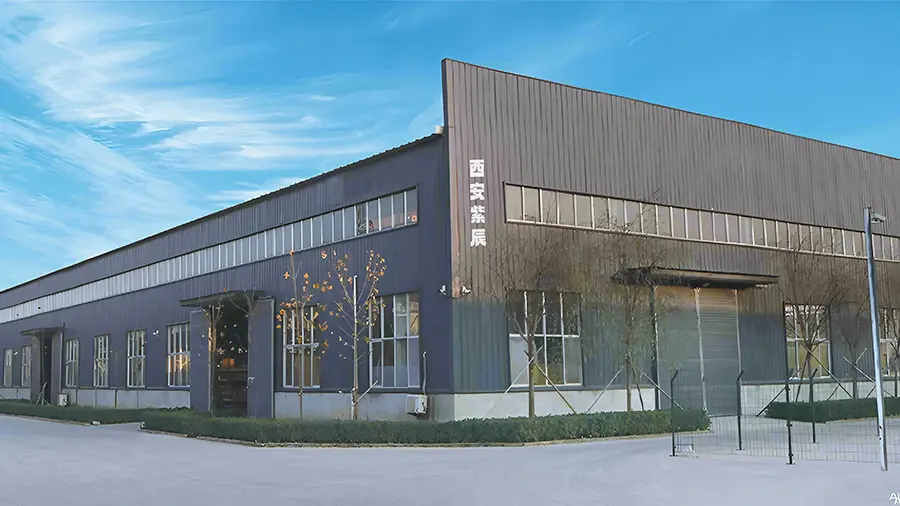
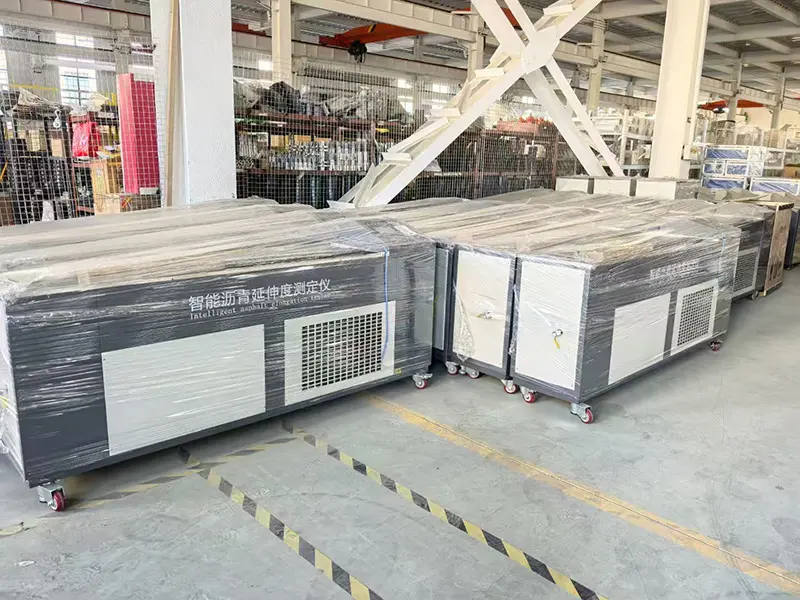
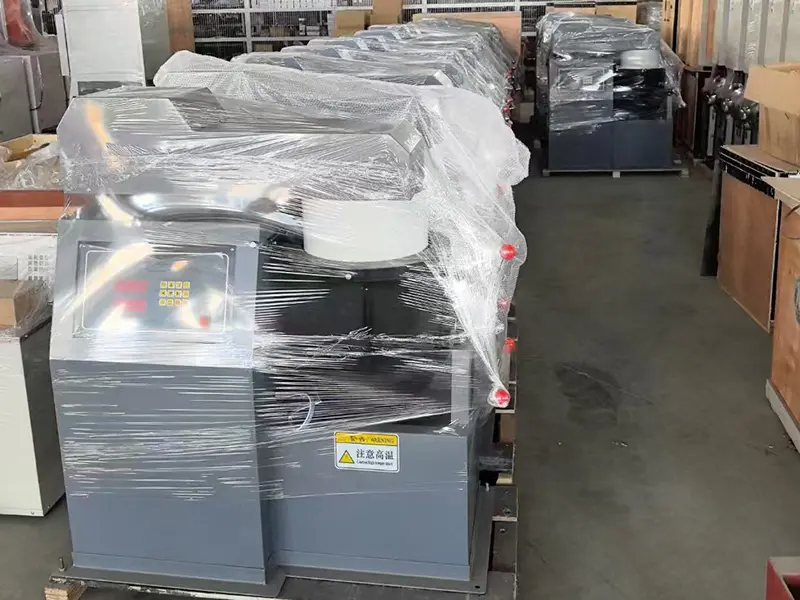
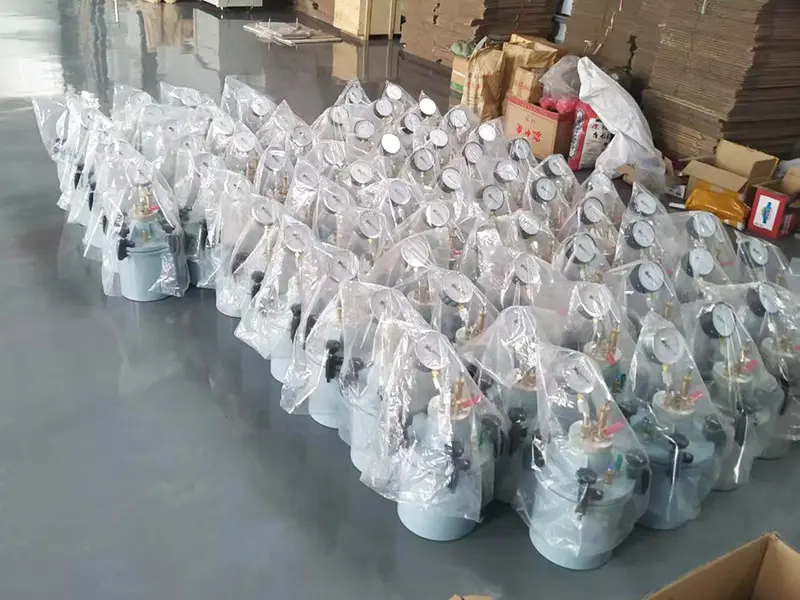
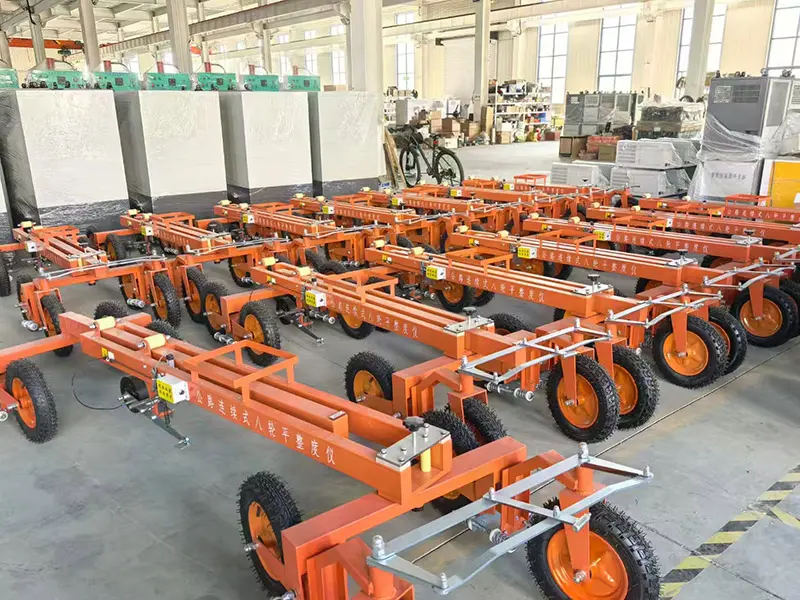
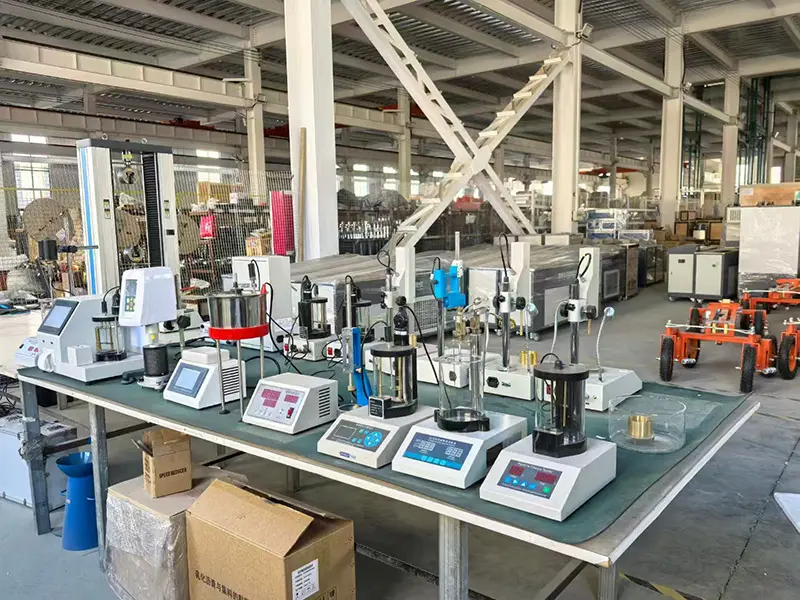
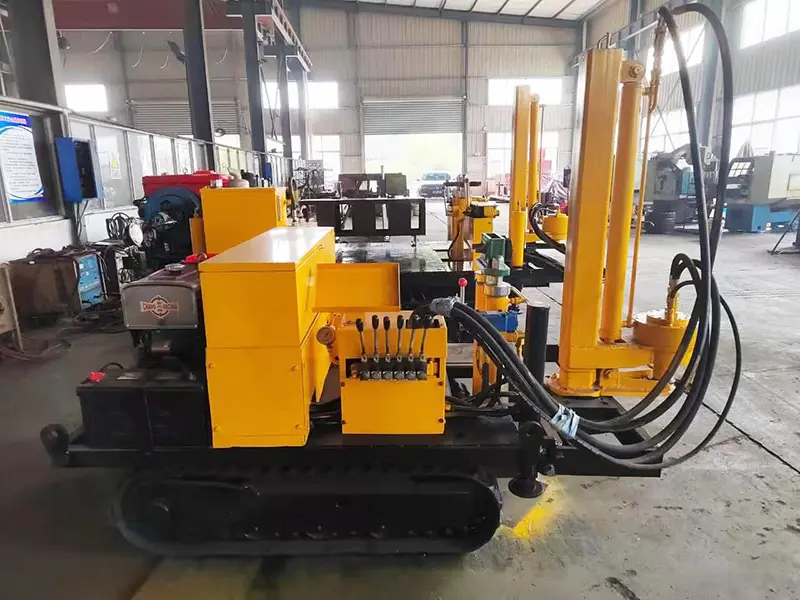
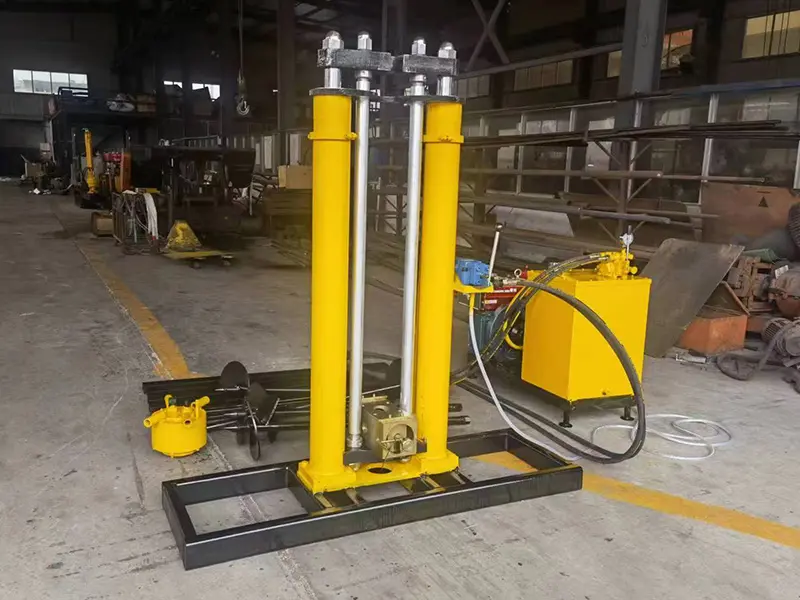
The production workshop is fully equipped with advanced manufacturing infrastructure including machining centers, CNC lathes, milling machines, planers, grinders, shearing machines, bending machines, electric welders, and argon arc welding systems.
The "Xiya" trademark was officially rated as a famous trademark of Shaanxi Province. Under the guidance and technical collaboration of professors and researchers from Chang'an University Highway College, Air Force Engineering University, and Xi'an University of Technology, we introduced leading technologies to develop core testing apparatuses that fill domestic market gaps and have earned prestigious ministerial and provincial science awards.
Our research team was founded by elite academic personnel from Chang'an University, Xi'an Polytechnic University, and Xi'an Petroleum University. This technical backing guarantees that our testing apparatuses align with cutting-edge global pavement and geotechnical engineering standards.
Our instruments are deployed globally by government transportation departments, commercial testing laboratories, ready-mix asphalt producers, civil contractors, and research universities. Over the past 15 years, our global client base has relied on our craftsman quality, performance, and dedicated technical service.
Corporate Promise & Value: Adhering to the corporate spirit of "People-oriented, unity and cooperation, pursuit of excellence", Zealchon promises comprehensive quality guarantees ("Three Guarantees") for all testing equipment sold, backed by 24/7 technical support and expert calibration guidance.
 Zealchon Electronic