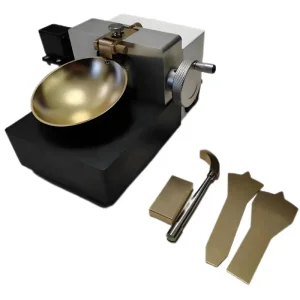
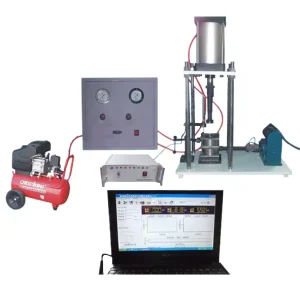
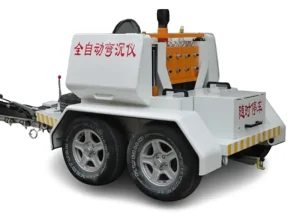
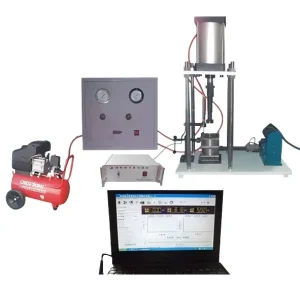
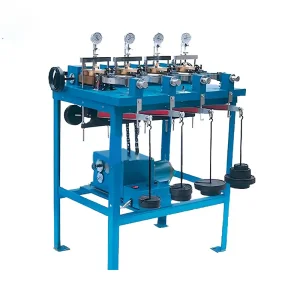
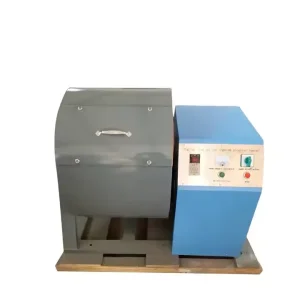
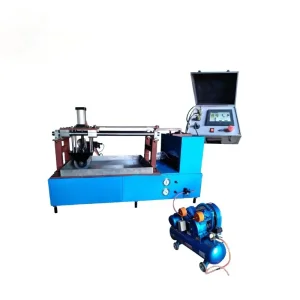
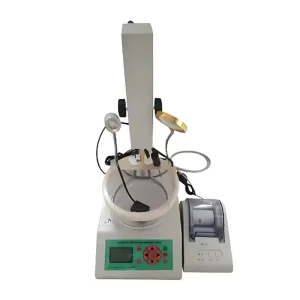
The Proctor Compaction Test Procedure remains the cornerstone of geotechnical engineering worldwide. Developed by R.R. Proctor in 1933, this method determines the relationship between the moisture content and the dry density of soils. In modern civil engineering, achieving the Maximum Dry Density (MDD) at the Optimum Moisture Content (OMC) is not just a standard—it is a critical safety requirement for highways, airport runways, and earth-fill dams.
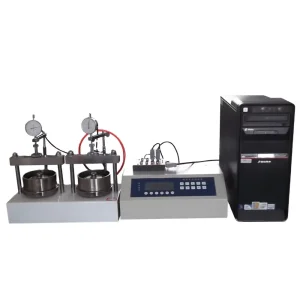
As a leading wholesale proctor compaction test procedure equipment manufacturer, Xi'an Zealchon Electronic Technology integrates over 15 years of civil engineering expertise into every instrument. Our systems are designed to comply with ASTM D698 (Standard) and ASTM D1557 (Modified) standards, ensuring global interoperability for international construction projects.
With the rapid urbanization in Southeast Asia, Africa, and the Middle East, the demand for precise soil compaction testing has surged by 25% annually. High-speed rail and smart cities require the "Xiya" standard of accuracy.
Governments are tightening regulations. The shift from manual to Automatic Proctor Compaction is driven by the need for data traceability and human-error reduction in large-scale public works.
Wholesale suppliers are now focusing on "Modular Testing Hubs" that can be deployed to remote mining and construction sites, providing real-time geotechnical feedback.
Understanding the technical nuances of the Proctor Compaction Test is essential for any professional lab. Here is the comparative technical roadmap provided by our senior engineering team:
| Feature | Standard Proctor (ASTM D698) | Modified Proctor (ASTM D1557) |
|---|---|---|
| Hammer Weight | 5.5 lb (2.5 kg) | 10.0 lb (4.54 kg) |
| Drop Height | 12 in (305 mm) | 18 in (457 mm) |
| Layers | 3 Layers | 5 Layers |
| Compactive Effort | 12,400 ft-lbf/ft³ | 56,000 ft-lbf/ft³ |
Expert Insight: The Modified Proctor test was developed to reflect the compaction requirements for heavy modern aircraft and vehicles, providing a significantly higher compactive effort than the original standard.
Xi an Zealchon Electronic Technology Co ., Ltd
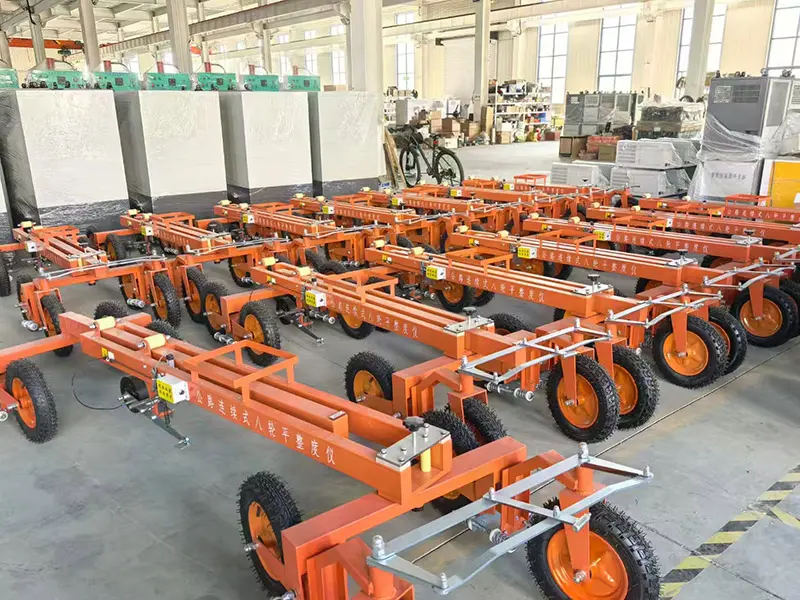
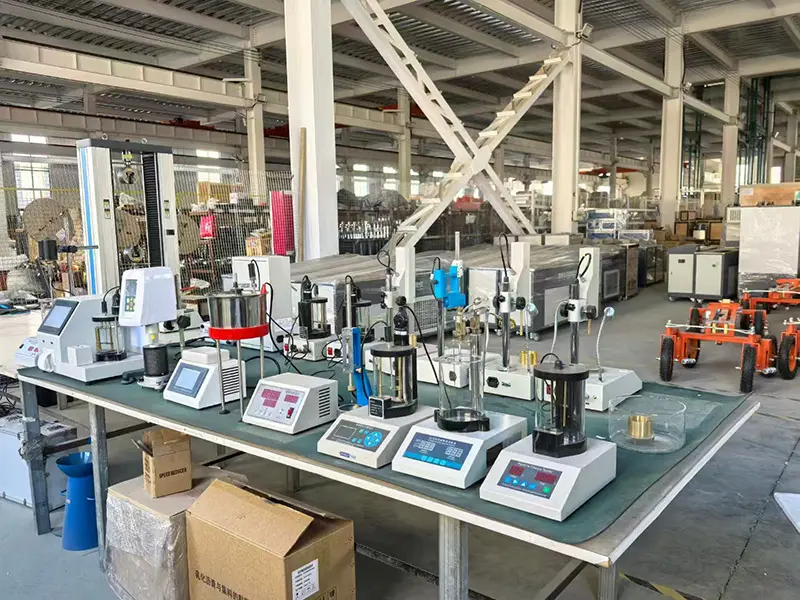
With more than 15 years of civil engineering background, located in new technology industry development zone in Xi'an, an ancient city in China. It covers an area of 7500 square meters of building area.
We manufacture and supply testing instruments for civil engineering, geological survey, water conservancy and hydropower, roads and bridges, highways, railways and airports. We specialize in the production and sales of geotechnical testing instruments, asphalt and asphalt mixture testing instruments, cement and concrete testing instruments.
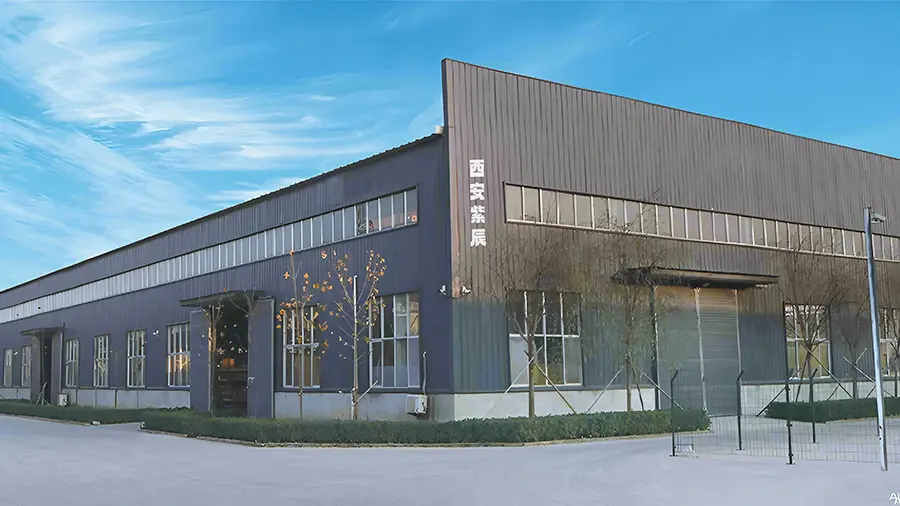
Research team founded by experts from Chang'an University and Xi'an Polytechnic University. We hold leading domestic and international standards in asphalt and geotechnical testing.
The "Xiya" trademark is a recognized symbol of quality in Shaanxi Province, filling gaps in the market and winning numerous national and provincial awards.
Our machines are utilized by government agencies, commercial labs, and contractors worldwide, from airport construction to highway maintenance.
The future of Proctor testing lies in integrating AI algorithms to predict MDD and OMC based on mineralogical composition, potentially reducing laboratory time by 60%.
Digitalized Proctor testing equipment now features cloud connectivity, allowing site managers to receive test results instantly on their mobile devices, facilitating faster "go/no-go" decisions on construction lifts.
As the industry moves toward "Green Roads," Proctor procedures are being adapted for Recycled Concrete Aggregate (RCA) and Reclaimed Asphalt Pavement (RAP), ensuring these eco-friendly materials meet structural density requirements.
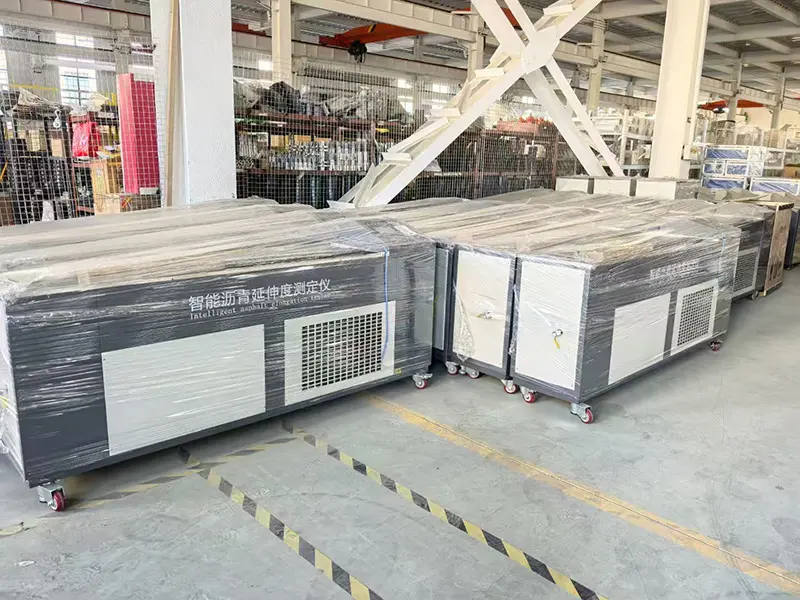
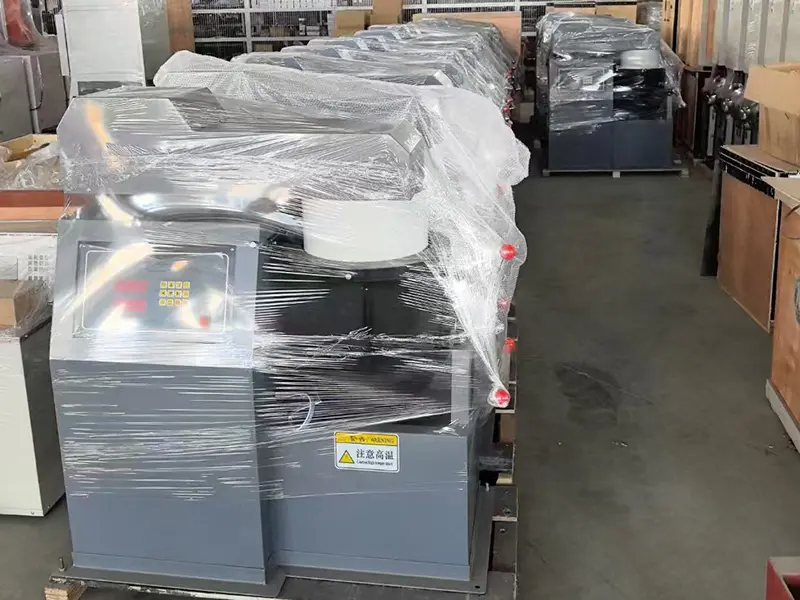
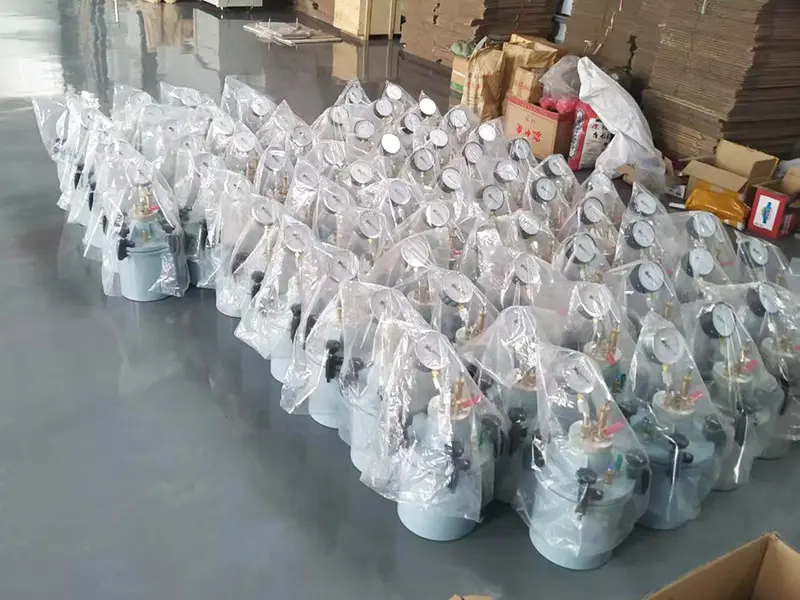
A: It is used to determine the optimal moisture content at which a given soil type becomes most dense and achieves its maximum dry unit weight, which is vital for civil engineering stability.
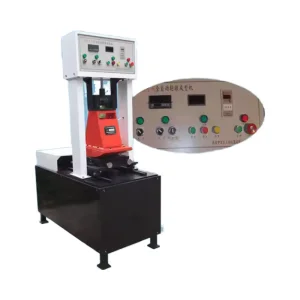
A: Yes, our automatic Proctor compactors are designed with adjustable drop heights and interchangeable hammers to meet both ASTM D698 and ASTM D1557 requirements.
A: "Xiya" instruments undergo rigorous calibration and are developed in partnership with Chang'an University Highway College, ensuring they meet the highest academic and industrial standards.
A: We provide comprehensive technical support, 1-year warranties, and digital manuals. Our team is experienced in global logistics to ensure safe and timely delivery of precision instruments.
Xi'an Zealchon Electronic Technology promises craftsman spirit and professional service. As a technology-based professional enterprise, we provide three guarantees for all products sold, ensuring your laboratory stays at the cutting edge of geotechnical science.
 Zealchon Electronic