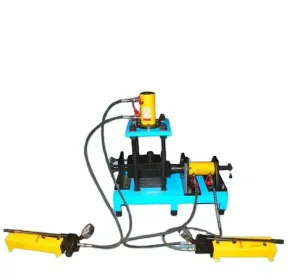
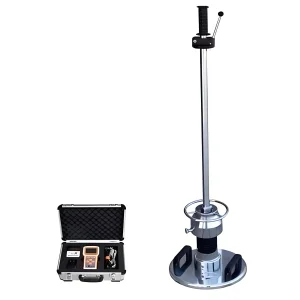
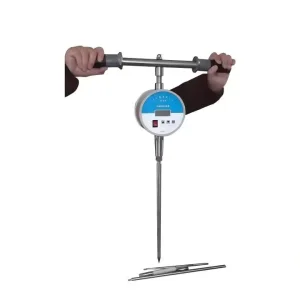
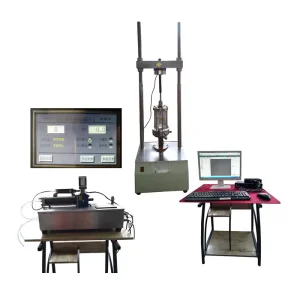
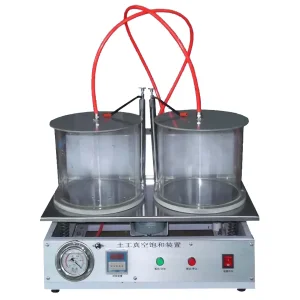
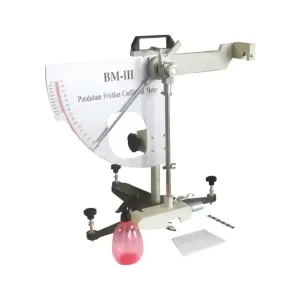
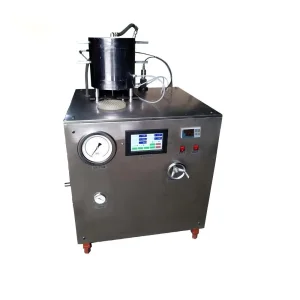
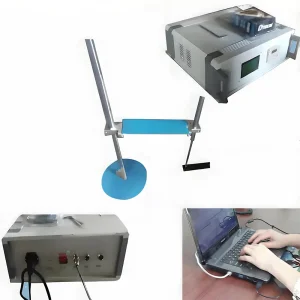
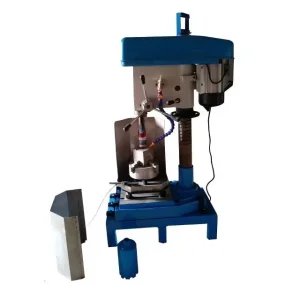
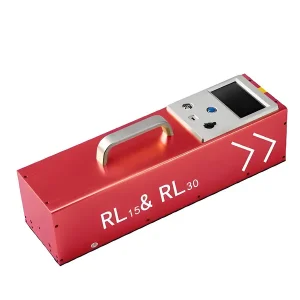
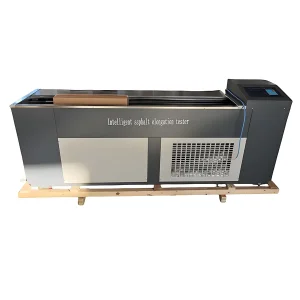
The Direct Shear Test remains the industry standard for determining the shear strength parameters of soil (cohesion and internal friction angle). Globally, as urbanization accelerates in Asia and infrastructure ages in Europe/North America, the demand for high-precision, automated shear testing equipment has surged by 15% annually.
Manufacturers are now pivoting toward compliance with ASTM D3080 and BS 1377-7, ensuring that the procedure is not only repeatable but also globally comparable across cross-border construction projects.
The industry is moving from manual lever-arm systems to fully digital, closed-loop servo-controlled systems. This reduces human error and provides "Information Gain" through real-time data visualization and volumetric change tracking.
To achieve E-E-A-T excellence, our manufacturing process integrates the highest scientific rigor into the physical testing procedure. Here is how advanced "Custom Direct Shear" is executed.
Undisturbed or remolded soil samples are carefully trimmed into the shear box. Our custom machines support various box sizes (60mm to 100mm) to accommodate different aggregate sizes, ensuring the scale effect is minimized.
A predetermined normal stress is applied. Our Automatic Geotechnical Instruments use high-precision load cells to monitor the settlement until 100% consolidation is reached, critical for "Drained" test conditions.
Shearing is applied at a controlled displacement rate (typically 0.01 to 1.25 mm/min). Digital sensors capture the shear force and horizontal displacement at micro-intervals, providing a high-resolution stress-strain curve.
Unlike standard manufacturers, Zealchon equipment provides automated calculations for peak and residual strength. This is vital for slope stability analysis and deep foundation design, where understanding the post-failure behavior of soil can prevent catastrophic structural collapses.
Xi'an Zealchon Electronic Technology Co., Ltd. brings over 15 years of civil engineering expertise to the global market. Located in the high-tech development zone of Xi'an, we operate from a 7,500 square meter facility dedicated to the research and production of geotechnical testing instruments.
We specialize in manufacturing testing instruments for roads, bridges, hydropower, and airports. Our "Xiya" trademark is a recognized symbol of quality in Shaanxi Province, developed in collaboration with top academic institutions like Chang'an University Highway College.
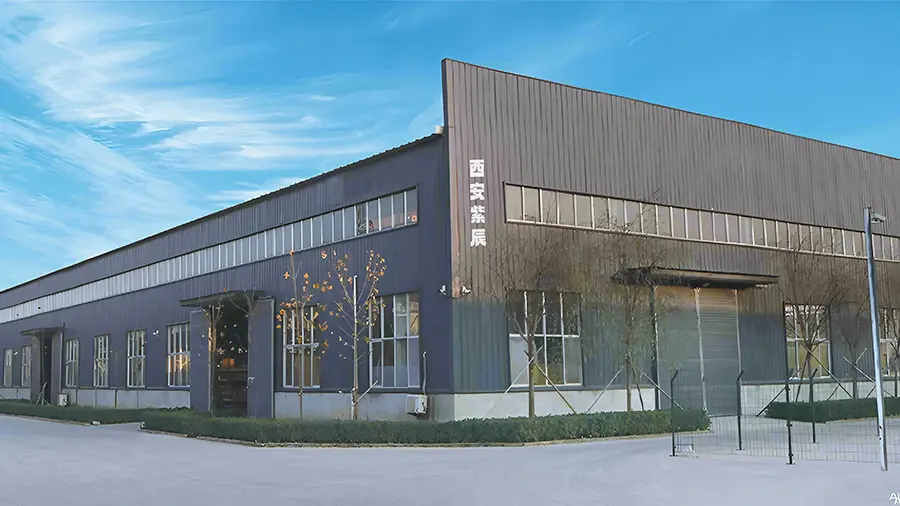
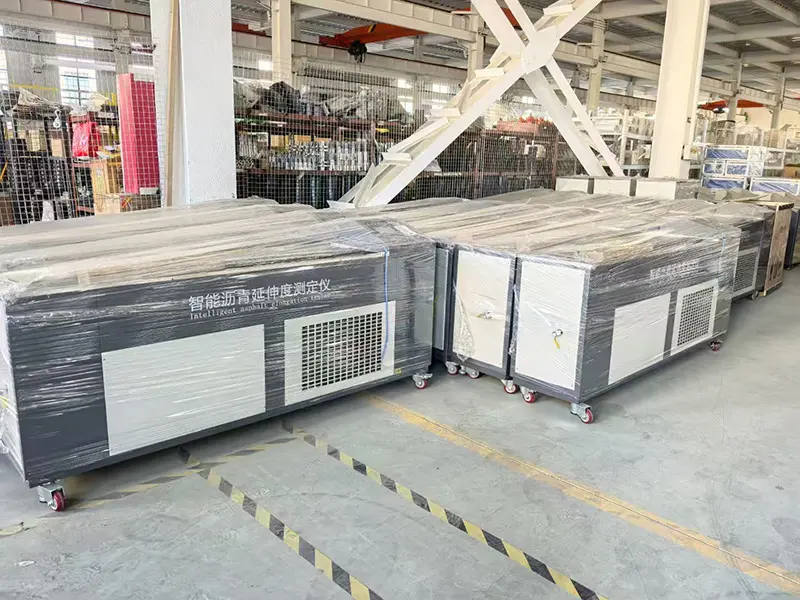
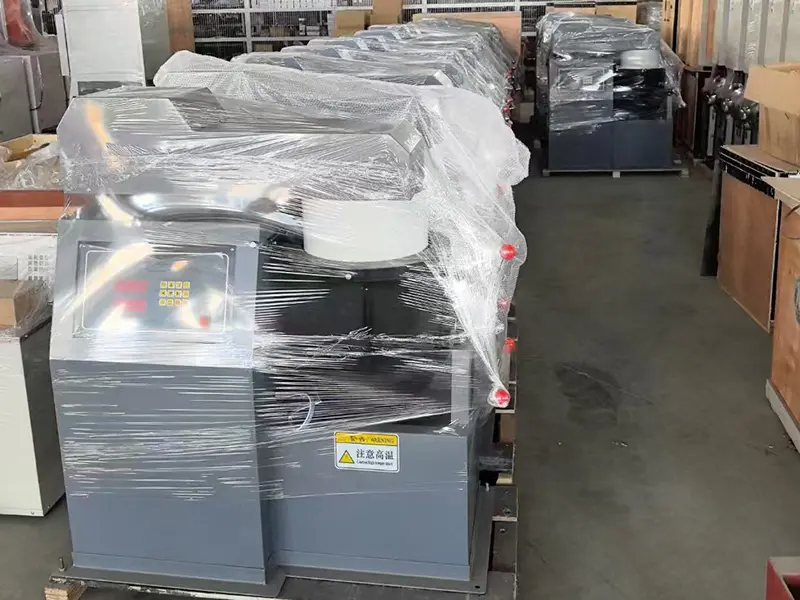
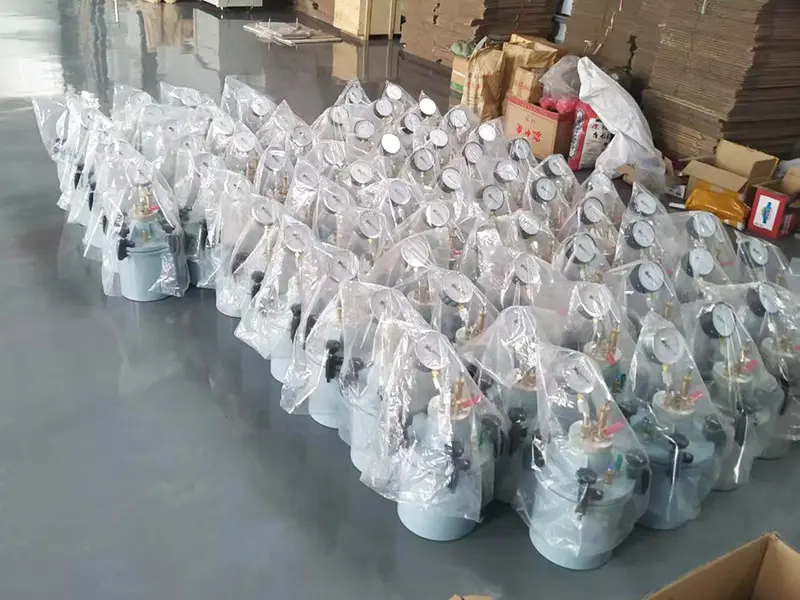
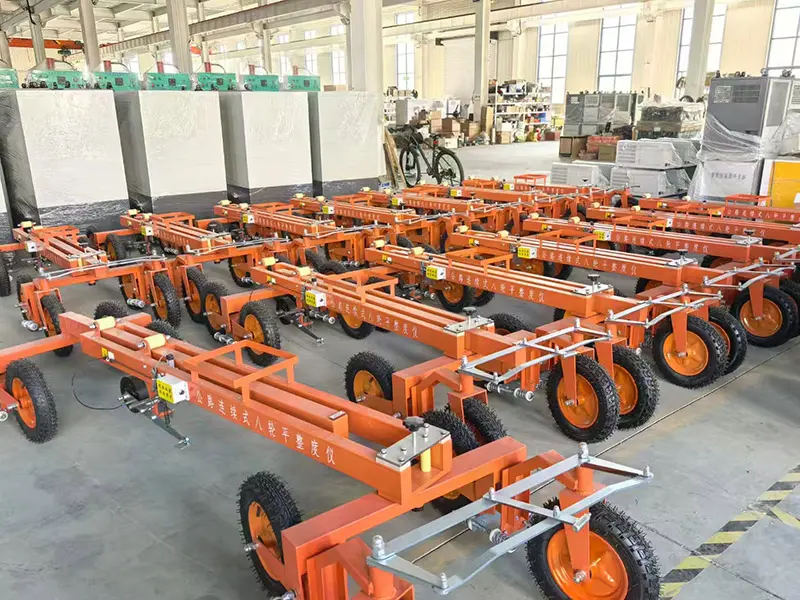
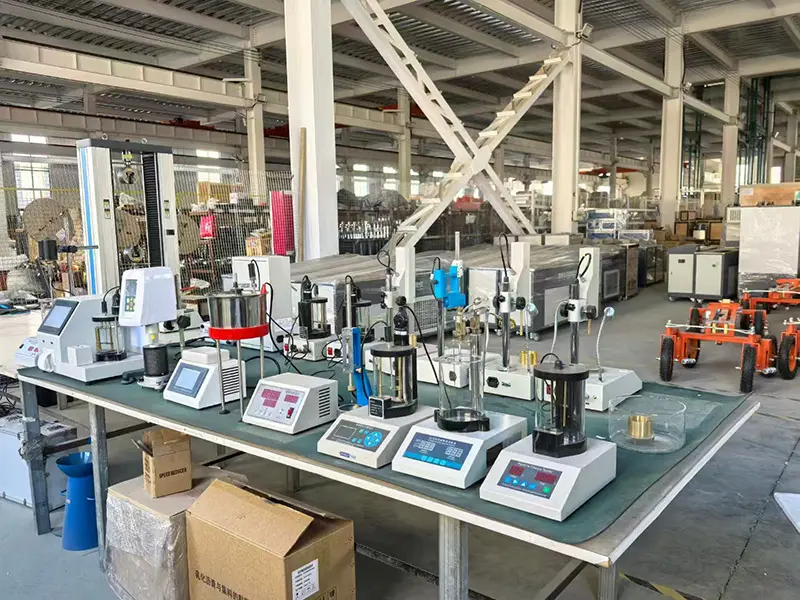
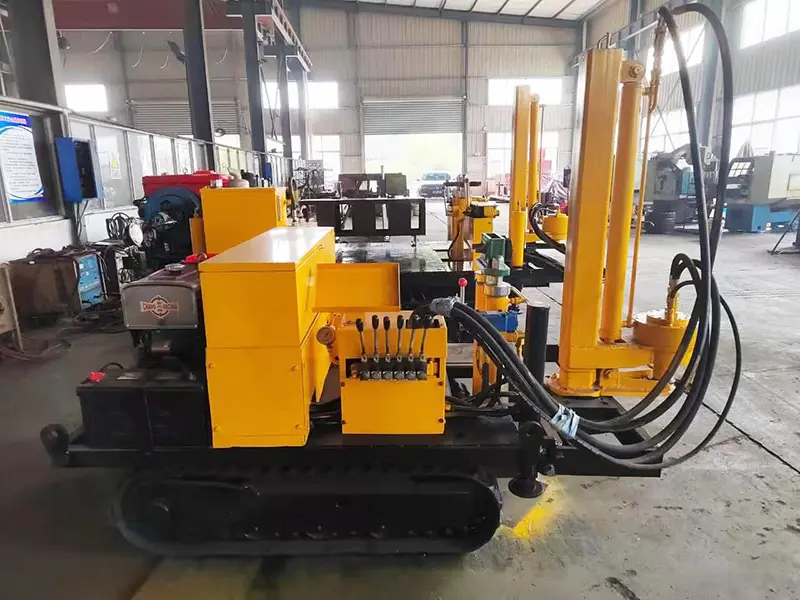
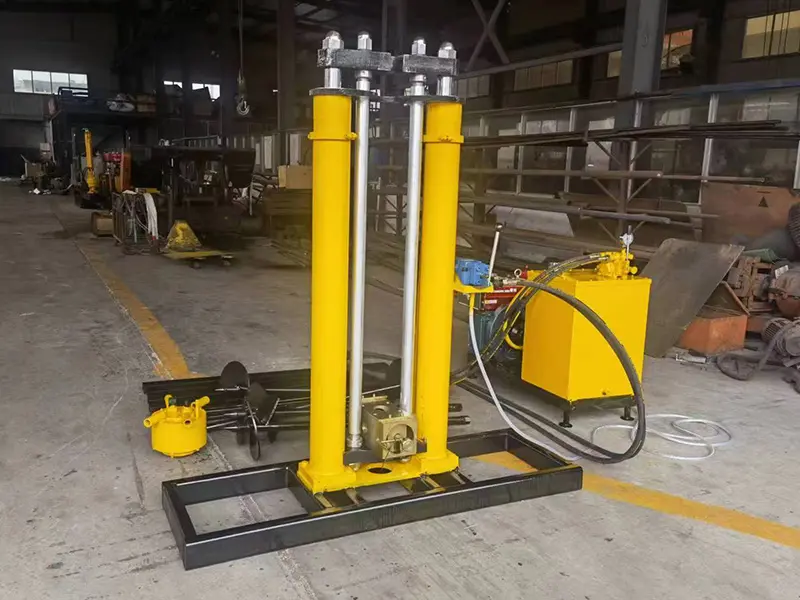
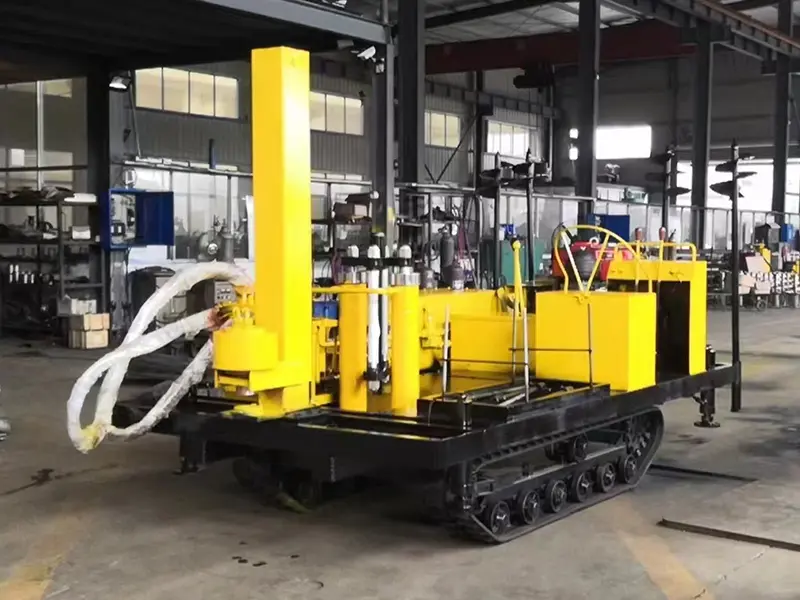
Our workshop is equipped with state-of-the-art CNC lathes, machining centers, milling machines, and argon arc welders. This allows us to maintain a "Craftsman Spirit" in every piece of equipment we build.
Whether it is an Automatic Asphalt Bending Beam Rheometer or a Custom Soil Direct Shear Tester, each unit undergoes rigorous quality control to ensure it meets the highest national and industry standards.
In regions with high seismic activity, direct shear testing is now mandated for seismic soil liquefaction analysis. Our equipment provides the high-frequency sampling rates required for these critical safety assessments.
For dam construction, we offer Large-Scale Direct Shear Testers that can handle rock-fill materials, essential for preventing internal erosion and slope failure in water conservancy projects.
We adapt our technology for different soil types—from the expansive clays of Africa to the permafrost of Arctic regions—ensuring localized application scenarios are fully addressed by our hardware and software.
Implementation of 0.001mm resolution sensors and electromagnetic loading for zero-friction testing.
IoT-enabled laboratory devices that sync data to the cloud for remote expert analysis and multi-lab collaboration.
Using machine learning to predict long-term soil creep behavior based on short-term direct shear test results.
We keep pace with national and industry standards. Our production and sales service mechanism ensures products are deeply trusted by users worldwide.
People-oriented, unity, and pursuit of excellence. Everything we do is based on meeting the unique needs of our customers as our primary goal.
We provide "Three Guarantees" for all products sold. Professional service and craftsman spirit are at the core of our technology-based enterprise.
The Direct Shear Test is significantly faster and more cost-effective for determining strength parameters. While the Triaxial Test offers better control over drainage and stress paths, Direct Shear is the preferred method for assessing the interface strength between soil and structural elements like piles or geosynthetics.
Our apparatus uses a feedback-controlled servo-motor system. This ensures the normal stress remains constant even as the specimen undergoes significant volume changes during shearing, a common flaw in older manual lever systems.
Yes, we offer specialized modifications to our shear boxes and environmental chambers to allow for suction-controlled testing, which is critical for unsaturated soil mechanics in arid regions.
Routine calibration of the load cells and displacement transducers (LVDTs) is recommended every 6-12 months. Our machines are designed with low-maintenance bearings to minimize downtime in high-throughput commercial labs.
 Zealchon Electronic