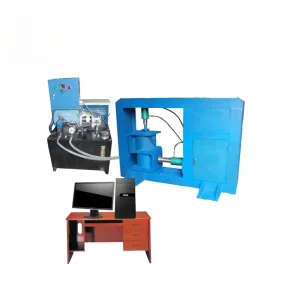
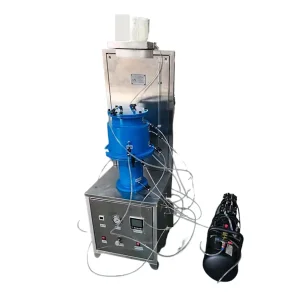
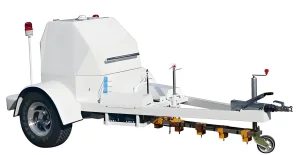
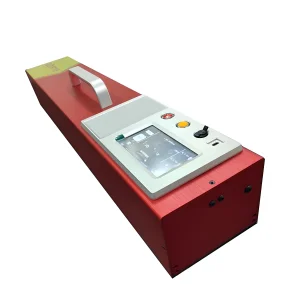
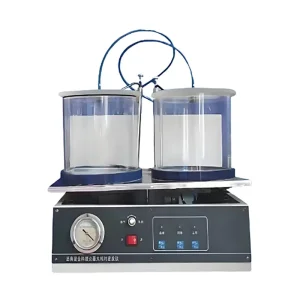
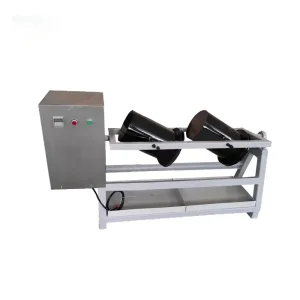
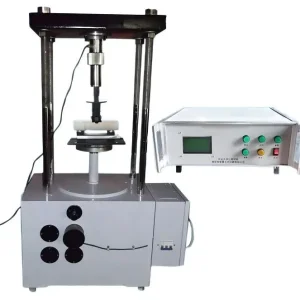
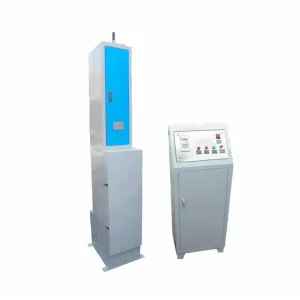
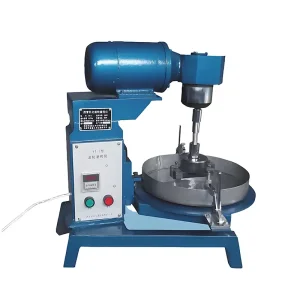
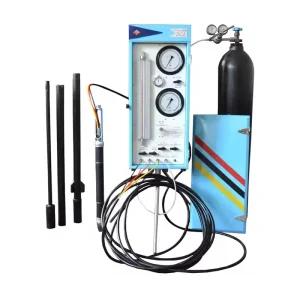
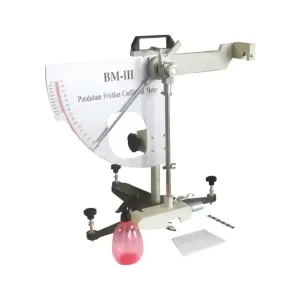
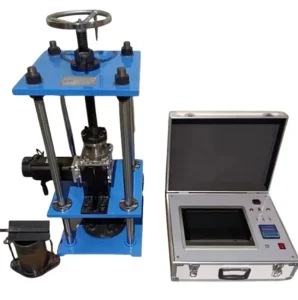
In the modern geotechnical laboratory, precision is not an option—it's a requirement. The Air Extractor Device and Soil Vacuum Saturator serve as the foundational instruments for preparing soil samples to simulate real-world hydraulic conditions. By removing entrapped air from pore spaces, these devices ensure that permeability, consolidation, and shear strength tests are conducted on fully saturated specimens, eliminating variables that could lead to catastrophic engineering failures.
Our OEM air extractors utilize high-torque vacuum pumps to achieve residual air levels below 0.5%, meeting strict ASTM D2434 standards for hydraulic conductivity.
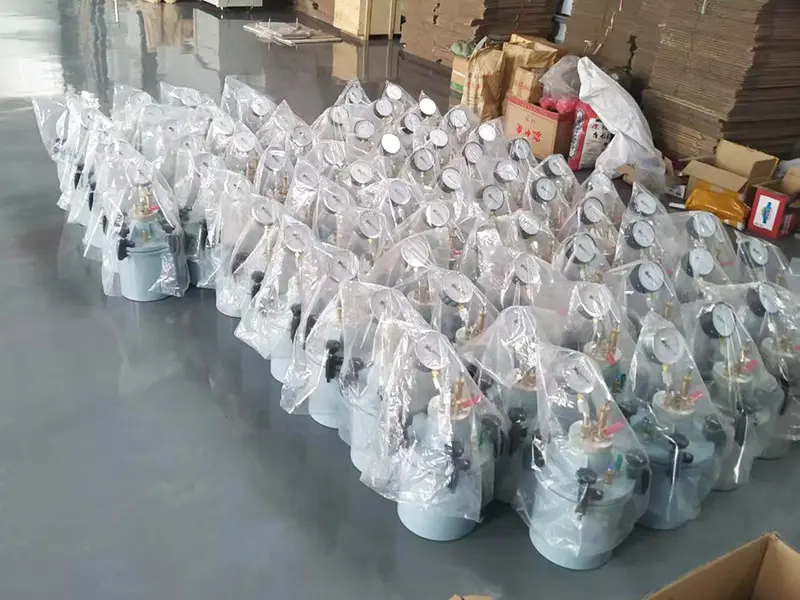
Constructed from high-grade acrylic or stainless steel, our vacuum saturators withstand prolonged negative pressure without deformation or micro-leaks.
From chamber dimensions to digital control integration, we provide bespoke manufacturing to fit specific laboratory workflows and space constraints.
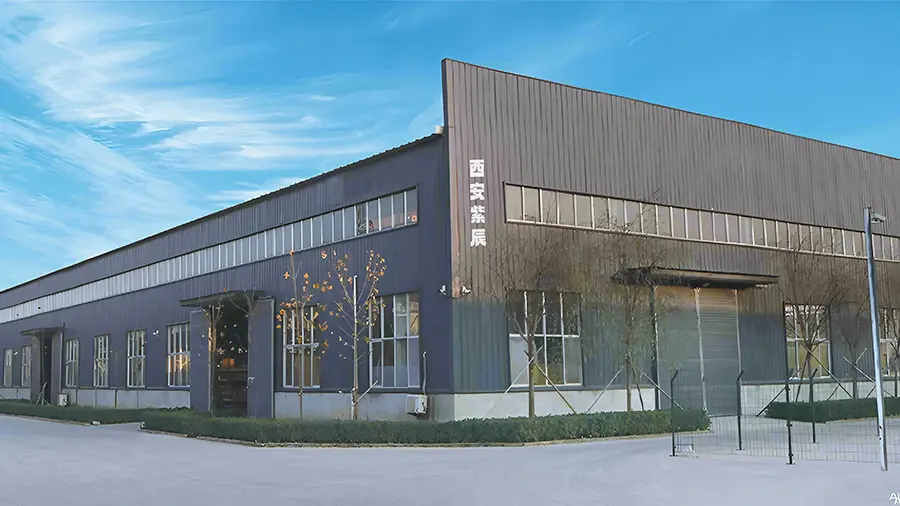
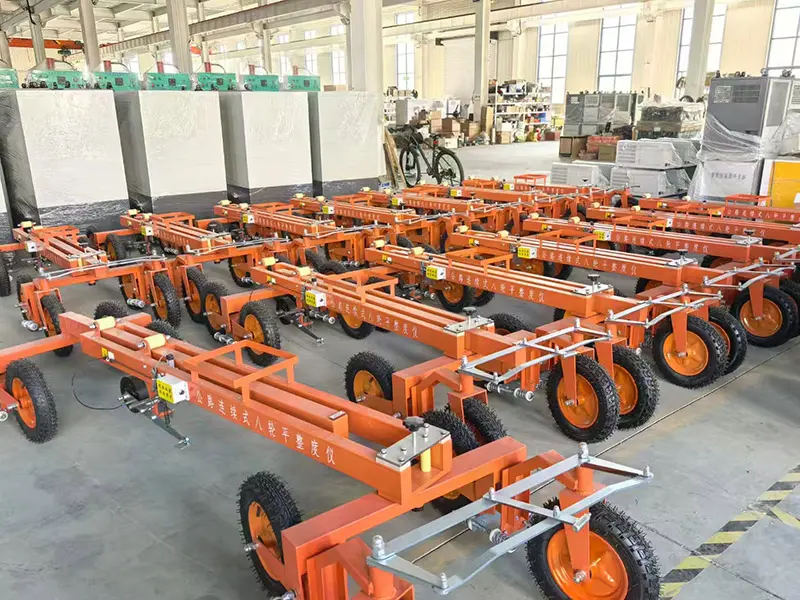
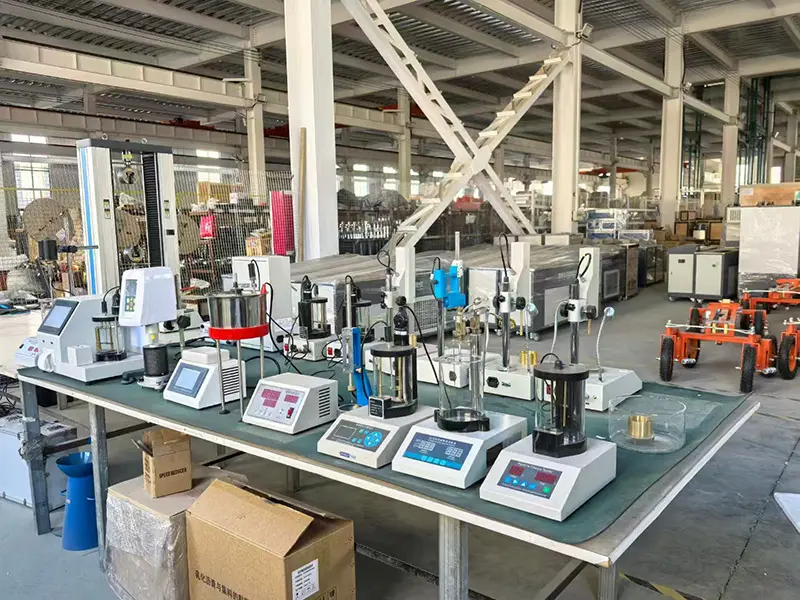
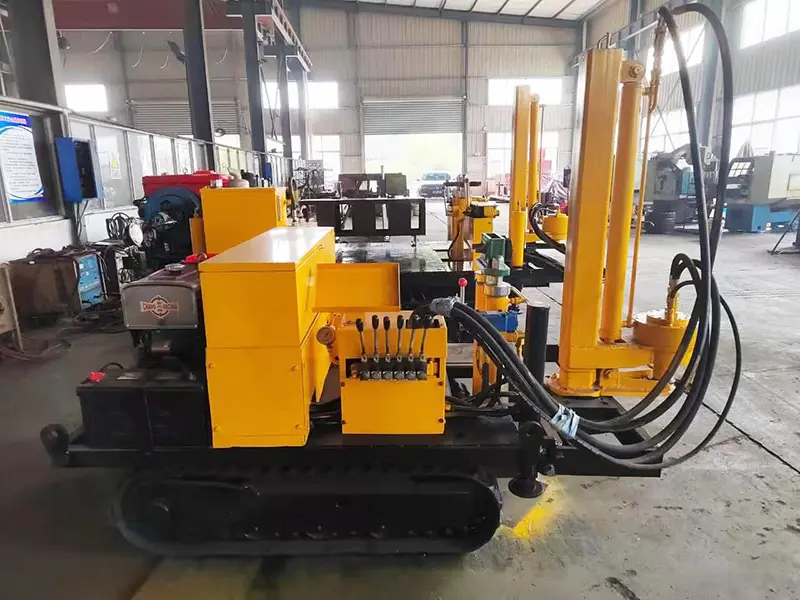
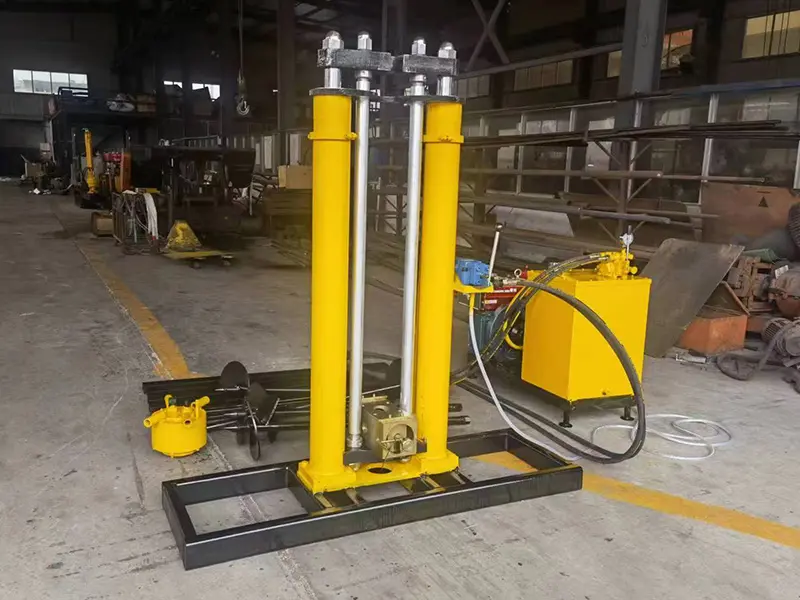
Located in the high-technology development zone of Xi'an, Xi'an Zealchon Electronic Technology Co., Ltd. stands as a beacon of innovation in the geotechnical testing industry. Spanning over 7,500 square meters, our facility integrates advanced machining centers, CNC lathes, and specialized welding units to produce world-class testing apparatus.
With a foundation built upon academic collaboration with prestigious institutions like Chang'an University and the Air Force Engineering University, we don't just manufacture tools; we engineer scientific precision. Our trademark, "Xiya," is a recognized symbol of quality in Shaanxi Province and across the global civil engineering landscape.
Years Experience
Production Base
National Patents
Compliance Rate
The demand for high-quality soil vacuum saturators has transitioned from niche research labs to large-scale infrastructure projects. As global urbanization accelerates, the need for accurate soil characterization becomes paramount for:
Ensuring zero-settlement benchmarks by analyzing the pore-water pressure of saturated soils under cyclic loading.
Simulating deep-water pressure environments for clay core samples to prevent seepage-induced failures.
Providing data for digital twin models that monitor urban soil health and drainage capacity in real-time.
We understand the complexities of international procurement. Our devices are engineered to exceed ISO 9001 and ASTM/AASHTO specifications, ensuring that our partners in the Middle East, Southeast Asia, and Europe can integrate our equipment without regulatory hurdles.
The geotechnical industry is moving toward "Laboratory 4.0." Zealchon is leading this shift by integrating IoT and AI into traditional vacuum systems.
| Generation | Key Technology | Impact on Testing |
|---|---|---|
| Gen 1 (Manual) | Manual valve control & analog gauges | Higher human error, inconsistent saturation |
| Gen 2 (Automatic) | Digital vacuum sensors & automated pumps | Precise pressure maintenance, repeatable results |
| Gen 3 (AI-Integrated) | Pore-pressure feedback loops & Cloud Logging | Real-time saturation curve analysis & remote monitoring |
Our current R&D focuses on Multi-Chamber Sequential Saturation, allowing labs to process 12-24 samples simultaneously without loss of vacuum integrity, significantly reducing the turnaround time for large-scale soil surveys.
Zealchon provides more than just hardware. We offer a "Complete Lifecycle Service" for our global clients:
Inconsistent saturation is the leading cause of inaccurate triaxial test data. Using a sub-par vacuum saturator leads to "pseudo-saturation," where air micro-bubbles remain trapped, causing an artificial increase in soil stiffness. Our systems ensure 100% saturation, providing the "Information Gain" required for high-stakes engineering decisions.
The air extractor is designed to remove dissolved gases from the water used for testing (creating de-aired water), while the vacuum saturator is a chamber where soil specimens are placed to have their internal pore air replaced by that de-aired water under vacuum pressure.
It depends on soil type. Coarse-grained soils can reach saturation in 2-4 hours, while high-plasticity clays may require 24-48 hours of constant vacuum to ensure all micro-pores are filled.
Yes, our OEM soil vacuum saturators are specifically engineered to meet and exceed ASTM D2434 and ASTM D4767 requirements for saturation and permeability testing.
Absolutely. As an OEM supplier, we can manufacture chambers for oversized rock core samples or miniature specimens used in centrifuge modeling.
 Zealchon Electronic