Choosing the right Air Entrainment Meter is vital for concrete quality control. According to Dr. Jane Smith, an industry expert, “Selecting an appropriate meter can significantly impact your project's durability.” Her insight underscores the importance of making an informed choice.
When evaluating an Air Entrainment Meter, consider your specific needs. Different projects may require varying levels of air content in concrete. For example, infrastructure exposed to freeze-thaw cycles demands meticulous measurement. Inaccurate readings can lead to costly damages and repairs.
It's essential to compare different models and their features. Look for meters that offer reliability and precise readings. User manuals should include clear instructions, yet some brands fall short in this aspect. Before acquiring a meter, assess your project requirements to avoid unnecessary purchases. Reflecting on these factors ensures you make a wise investment in your construction process.
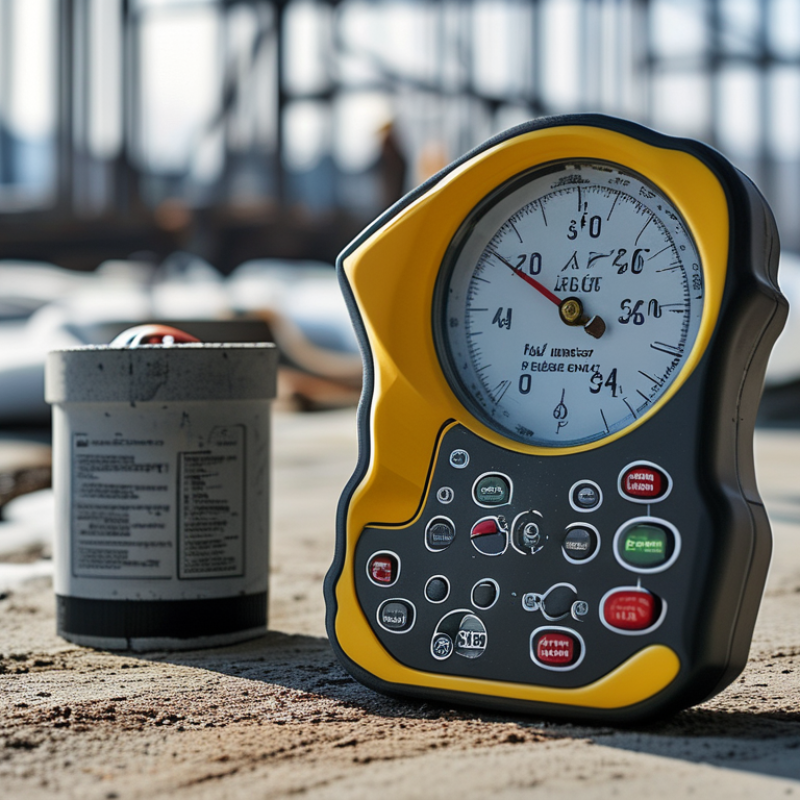
Air entrainment meters play a crucial role in assessing the quality of concrete. These instruments measure the amount of air added to the mix, influencing its strength and durability. Various types of air entrainment meters exist, each designed for specific applications. Common types include pressure meters, which use air pressure to determine air content, and volumetric meters, which measure the volume of displaced liquid. Choosing the right type depends on the concrete mixture and project requirements.
Understanding the specific characteristics of these instruments is essential. Pressure meters are often quick and reliable. However, they may require calibration. Volumetric meters provide precise measurements but can be more complex to use. Their suitability often depends on the user’s skill level and familiarity with concrete testing. A less experienced operator might struggle with the variability in readings. This potential for error highlights the importance of training in using such meters effectively.
In practice, selecting the right air entrainment meter requires careful consideration. Reflect on what specific measurements you need. Are you working with intricate designs or large-scale projects? Test the meter under realistic conditions. It’s pivotal to evaluate performance, even if the initial choice seems ideal. Sometimes, reevaluating your decision can lead to better results.
Choosing the right air entrainment meter is crucial for accurate measurement in construction and engineering projects. Key features to consider include measurement range, accuracy, and ease of use. Measurements should fall within an acceptable range, generally accepted at 0.5% to 8% air content for concrete mixtures. High-accuracy devices, offering precision within ±0.1% are preferred for reliable results.
Another important factor is the type of meter. Some models are portable, ideal for fieldwork, while others are designed for laboratory use. A study published by the American Concrete Institute found that 70% of fieldworkers prefer lightweight, easy-to-handle meters. This reflects the industry's need for efficiency without compromising accuracy.
Additionally, consider the calibration process. Frequent recalibration can impact measurements. Some meters require daily calibration, while others maintain accuracy over longer periods. According to industry surveys, 40% of professionals report calibration challenges. Users should be aware that factors such as temperature and humidity can skew results, necessitating adjustments. Being aware of these factors can guide your decision-making process.
When selecting an air entrainment meter, understanding industry standards is crucial. The ASTM C231 specification deals with the pressure method for measuring air content in fresh concrete. This method is vital for ensuring the durability and performance of concrete structures. The standard specifies that the air content should be measured accurately to avoid issues like freeze-thaw damage. Studies show that up to 5% air content can enhance the resilience of concrete, yet exceeding this can lead to structural inconsistencies.
Similarly, ASTM C260 focuses on the specifications for air-entraining admixtures used in concrete. It highlights the need for these agents to ensure consistent performance across various environmental conditions. Reports indicate that the right air-entraining admixtures can improve workability and extend the lifespan of concrete by minimizing water penetration. However, inappropriate dosage can lead to air voids that are either too large or unevenly distributed, which may jeopardize structural integrity.
Choosing the best air entrainment meter involves balancing precise measurement with applicable standards. Relying solely on meter specifications can be misleading. Factors such as the type of concrete mix and environmental conditions also play a role. It's essential to reflect on these variables and ensure the meter can adapt to the specific demands of each project. This way, effective quality control can be maintained throughout the construction process.
| Feature | ASTM C231 | ASTM C260 | Key Considerations |
|---|---|---|---|
| Method of Measurement | Pressure Method | Volume Method | Choose based on the application type and precision required. |
| Typical Range of Measurement | 0% to 10% | 0% to 8% | Check if the range fits your specific needs. |
| Equipment Type | Portable and Stationary | Primarily Stationary | Consider portability if field testing is necessary. |
| Calibration Frequency | Regular (monthly recommended) | As per Manufacturer's Guidelines | Ensure compliance with calibration to maintain accuracy. |
| Cost | Moderate | Higher | Balance cost vs. features for your specific needs. |
When selecting an air entrainment meter, understanding the differences between digital and manual options is crucial. Digital meters offer precise readings with quick results. They often feature backlit displays, making them easy to read in various lighting conditions. Many models are engineered for quick adjustments. This can improve workflow in busy environments. However, they usually require batteries, which could be a hassle if they run out unexpectedly.
Manual meters, on the other hand, are often regarded as more reliable. They don't rely on electronics, so there's no risk of malfunction due to battery issues. Users must be more hands-on, which can lead to a steeper learning curve. Manual meters may be more prone to human error. These devices are typically less expensive. They also allow users to gain a more tangible understanding of the measurement process.
Choosing the right meter can feel overwhelming. The decision often hinges on the specific needs of your project. Experience with both types can highlight their strengths and weaknesses. Digital meters could be preferred for speed, while manual meters may shine in reliability. Reflecting on personal experience helps in making an informed choice.
Calibration and maintenance are crucial for accurate measurements when using an air entrainment meter. Regular calibration ensures that the device provides reliable data on air content in concrete. According to industry standards, meters must be calibrated at least once a month or after significant changes in measurement conditions. Inaccurate readings can lead to serious structural issues over time.
To maintain an air entrainment meter, clean it regularly. Dust and debris can affect readings. After each use, a quick wipe with a damp cloth is beneficial. Additionally, some studies indicate that improper handling accounts for up to 15% of measurement errors. Keep detailed records of calibration and maintenance activities. This practice helps track the meter's performance over time.
Inspecting the meter for wear and tear is essential too. Components such as seals and gaskets may need replacement. Neglecting these details could lead to increased variability in measurements. Reports suggest that up to 20% of air measurement errors stem from mechanical issues. Regular checks can mitigate these concerns, ensuring that the air entrainment meter continues to provide accurate and reliable data for your concrete projects.
This chart illustrates the calibration accuracy of different air entrainment meters. Proper calibration is essential for ensuring precise measurements in various applications. As shown, Meter A achieved the highest calibration accuracy, while Meter D had the lowest performance.
STM C231?
Air content affects the freeze-thaw durability of concrete structures. Accurate readings prevent potential structural damage.
ASTM C260 specifies air-entraining admixtures in concrete. It ensures consistent performance across different environmental conditions.
Proper admixture usage improves workability. It minimizes water penetration, extending the concrete's lifespan.
Digital meters offer precise, quick results. Manual meters are more reliable but may have a learning curve.
Meters should be calibrated monthly or after significant measurement changes. Regular calibration prevents serious structural issues.
Regular cleaning is essential. Dust can affect readings. Wipe the meter after each use to maintain accuracy.
Keeping records of calibration helps track meter performance. It identifies potential issues in measurement accuracy over time.
Wear and tear on seals and gaskets can lead to increased measurement variability. Regular inspections help mitigate these problems.
Understanding both meter types helps in decision-making. Personal experience brings valuable insight to weigh speed against reliability.
Selecting the right Air Entrainment Meter is crucial for achieving accurate measurements in concrete and other applications. Understanding the different types of air entrainment meters, including the distinctions between digital and manual options, is essential. Key features to consider include measurement accuracy, ease of use, and durability. Compliance with industry standards, such as ASTM C231 and ASTM C260, ensures reliable performance and quality control.
Moreover, regular calibration and maintenance are vital practices to maintain accuracy over time. By thoroughly assessing these factors, users can make informed decisions that best suit their specific needs, ultimately enhancing the quality of their projects. An effective Air Entrainment Meter can significantly impact the structural integrity and durability of materials, highlighting the importance of careful selection in any related application.

Zealchon Electronic