When it comes to evaluating the performance of your oven, an "Aging Oven Tester" is an invaluable tool. According to John Parker, a well-respected expert in kitchen appliance testing, “Aging Oven Testers can reveal hidden issues that may affect cooking quality.” With ovens often going unnoticed as they age, these testers bring much-needed oversight to kitchen performance.
Understanding how your oven operates is crucial for any home chef. An Aging Oven Tester helps identify temperature inaccuracies, heat distribution challenges, and operational inconsistencies. These issues can lead to poorly cooked meals and often go undetected until it's too late. Testing your oven with precise equipment offers clarity.
In a market flooded with options, it can be overwhelming to choose the right device. Each Aging Oven Tester has its own features and specifications that cater to different needs. Reflecting on our choices and their potential shortcomings is essential. Selecting the best tester requires careful consideration and understanding of your specific requirements.
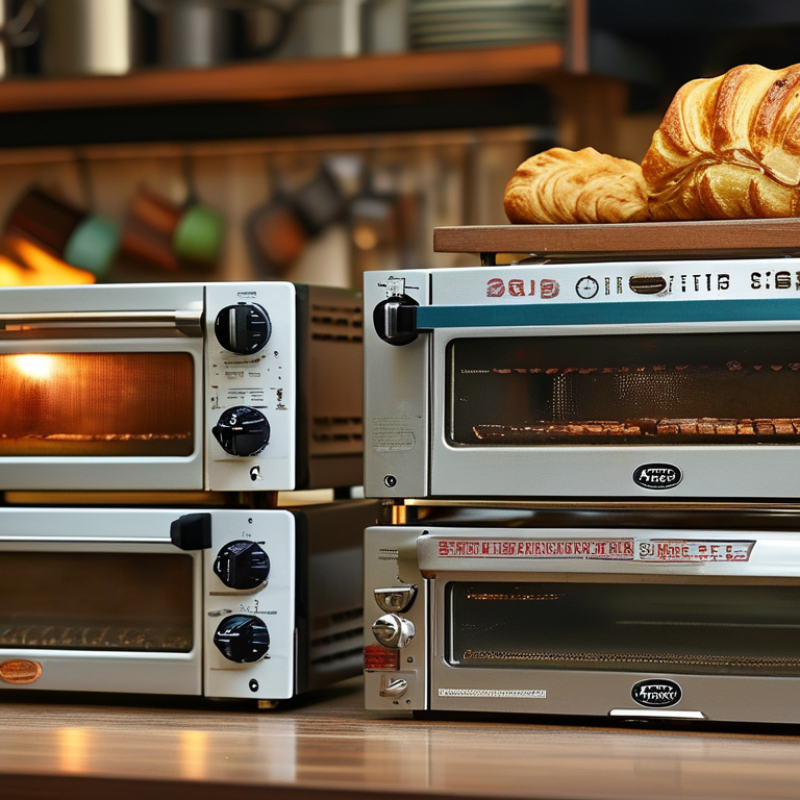
Aging oven testers are essential tools for anyone interested in culinary precision. They help ensure that ovens perform at optimal levels over time. These testers assess temperature accuracy, heat distribution, and overall efficiency. Whether you bake, roast, or heat, understanding your oven's true capabilities can transform your culinary experience.
The importance of reliable oven testing cannot be overstated. An inaccurate oven can lead to inconsistent baking results and wasted ingredients. It is not just about convenience; it’s about achieving those perfect results we all strive for. Without proper testing, a user might unknowingly adjust recipes based on faulty assumptions. Many home cooks overlook this crucial step, focusing instead on the ingredients alone.
It's critical to recognize that even the best ovens can have quirks as they age. Over time, calibration can shift, impacting performance. Monitoring these changes is vital for achieving consistent results. Investing in a good aging oven tester can be a game-changer for passionate bakers or chefs. This tool can expose surprising discrepancies in temperature readings, prompting necessary adjustments. Making these changes can enhance your cooking journey.
| Model | Temperature Range | Accuracy | User Rating | Price ($) |
|---|---|---|---|---|
| Model A | 100°F - 500°F | ±2°F | 4.5/5 | 150 |
| Model B | 50°F - 600°F | ±1°F | 4.7/5 | 200 |
| Model C | 30°F - 550°F | ±3°F | 4.2/5 | 120 |
| Model D | 0°F - 700°F | ±1.5°F | 4.8/5 | 250 |
| Model E | 100°F - 500°F | ±2.5°F | 4.1/5 | 130 |
: Focus on temperature accuracy, durability, and user-friendliness. These features impact the tester’s overall performance.
A deviation over 5°F affects results. Testers should maintain this accuracy for reliable oven performance.
Choose testers with stainless steel housing. This helps withstand extreme conditions and prolongs its lifespan.
An intuitive display improves the testing experience. Complicated interfaces can frustrate users, leading to inaccurate assessments.
Many report inaccuracies over time. Some testers fail to reflect necessary temperature changes, impacting cooking conditions.
Regularly clean the tester and check the battery compartment for moisture. This prevents corrosion and maintains accuracy.
Yes, periodic calibration ensures reliable readings. If results seem off, recalibrate or consult a professional.
Reflect on its performance. If it’s consistently unreliable, it might be time to replace or upgrade your tester.
Lack of clear instructions can lead to confusion. Users waste time troubleshooting instead of effectively using their tester.
About 40% of failures result from extreme conditions. Choose a durable model to mitigate these issues.
Aging Oven Testers are essential tools for ensuring the safety and efficiency of ovens as they age. This buyer's guide emphasizes the importance of selecting the right tester, highlighting key features such as accuracy, durability, and ease of use. By understanding these critical aspects, consumers can make informed choices that suit their specific needs.
The article further explores notable brands and models available in 2026, backed by user reviews that provide real-life experiences. To maximize the lifespan of an Aging Oven Tester, maintenance tips are included, reminding users of the best practices for care and handling. Overall, this guide serves as a comprehensive resource for anyone looking to invest in an Aging Oven Tester.

 Zealchon Electronic